Modern Israel History Timeline
Explore the defining political, cultural, and historical milestones that have shaped the State of Israel in this comprehensive timeline from 1948 to present time.
Explore Israel












Modern Israel History Timeline
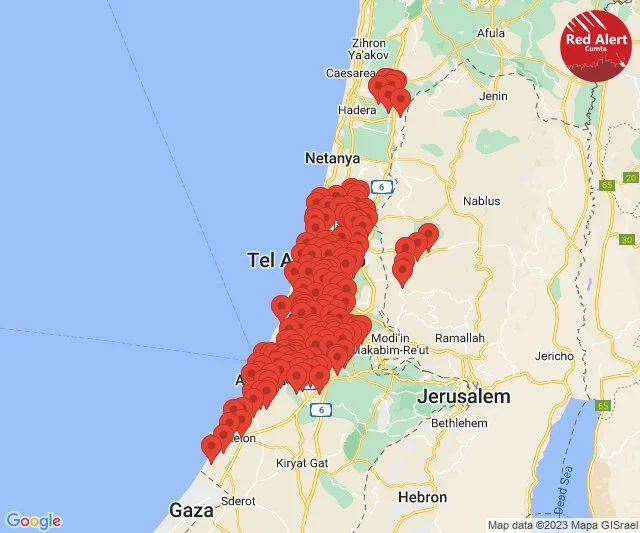
2023 - October 7th and the Iron Swords War
On October 7th, 2023, the Hamas militant group launched a massive, unprecedented surprise attack on southern Israel from the Gaza Strip, resulting in the largest loss of Jewish life in a single day since the Holocaust. This event triggered a major conflict known as "Operation Iron Swords," as Israel launched a large-scale military campaign in Gaza to dismantle Hamas and secure the release of over 200 hostages.
This event has had a profound impact on the entire region, leading to widespread displacement and a significant shift in Israel's security doctrine. For contemporary history, it marks a critical and ongoing chapter that has mobilized the Israeli home front and reshaped international relations in the 21st century.
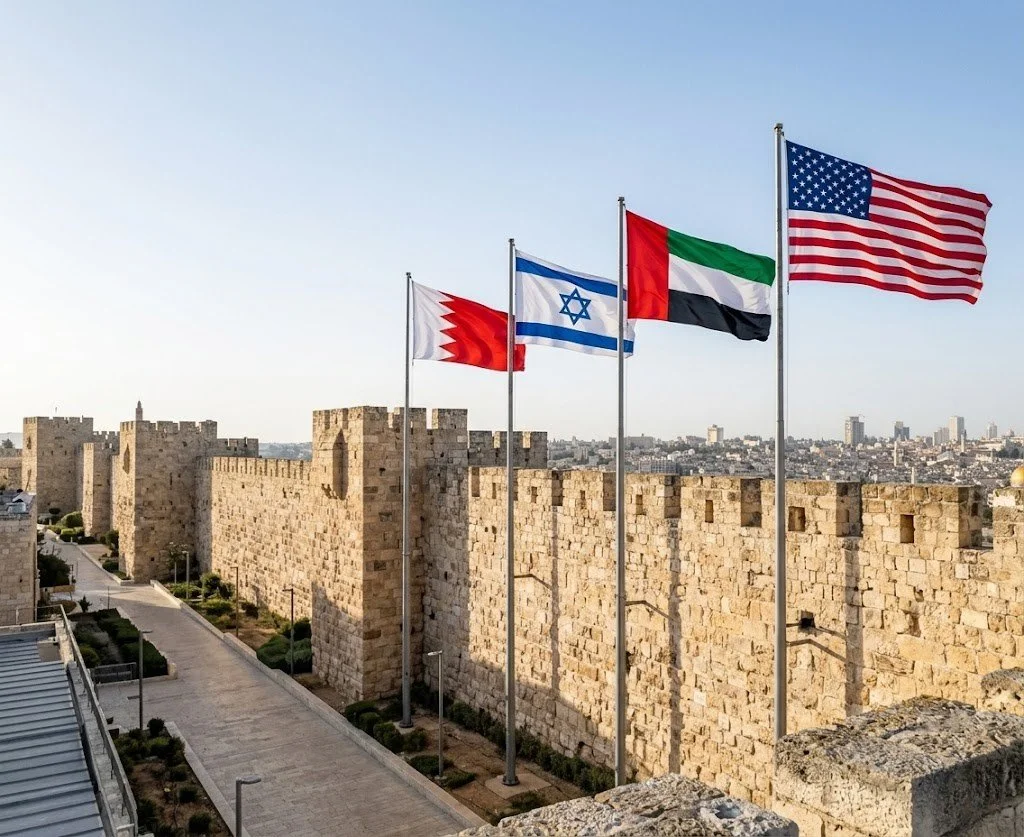
2020 - The Abraham Accords
In a historic shift for Middle Eastern diplomacy, Israel signed normalization agreements with the United Arab Emirates and Bahrain, later followed by Morocco and Sudan. Known as the Abraham Accords, these agreements bypassed the traditional "land for peace" model in favor of "peace for peace" and mutual economic interest. This was the first time in over 25 years that Israel signed peace agreements with Arab nations.
The accords have led to an explosion in regional trade, direct flights, and tourism. For travelers and professionals, this has fundamentally changed the map of the Middle East, allowing for unprecedented cooperation in technology, security, and culture. It serves as a factual milestone of a new era of regional integration.

2017 - Mobileye’s Landmark Acquisition by Intel
Founded by Prof. Amnon Shashua and Ziv Aviram, Mobileye developed advanced vision-based systems for driver assistance and autonomous driving. In 2017, Intel acquired the Jerusalem-based company for $15.3 billion, the largest-ever acquisition of an Israeli high-tech company. The deal made Mobileye the center of Intel’s global autonomous driving efforts and kept its headquarters in Jerusalem.
This event was a defining moment for the "Startup Nation," showing that Israeli companies could not only innovate but lead entire global industries. For Israelis, Mobileye represents the shift from a "software hub" to a global powerhouse in the "Smart Car" and AI sectors, proving that Jerusalem is as much a tech capital as it is a spiritual one.

2008 - Waze: Israel Navigates the World
Founded by Ehud Shabtai, Amir Shinar, and Uri Levine, Waze revolutionized the way the world travels. By using crowdsourced data to provide real-time traffic updates and navigation, Waze turned every driver into a data point, helping millions avoid traffic jams. In 2013, Google acquired the company for over $1 billion, marking one of the most famous "exits" in Israeli high-tech history.
Waze became a global household name and a symbol of the "Startup Nation." Its success proved that an Israeli company could create a consumer product used by hundreds of millions of people worldwide. For Israelis, Waze is a point of daily pride—a local invention that solved a universal problem and changed the global culture of transportation.
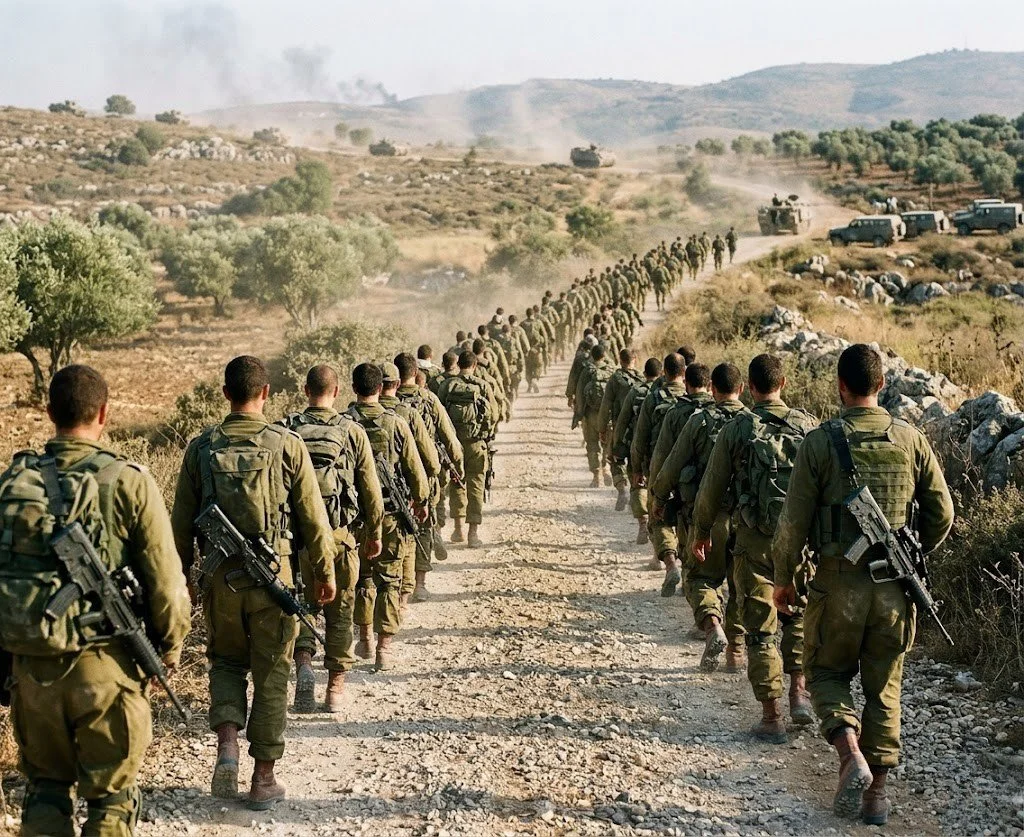
2006 - Second Lebanon War
The war was sparked on the morning of July 12, 2006, when Hezbollah militants launched a diversionary rocket attack on Israel’s northern communities. Simultaneously, a Hezbollah unit crossed the "Blue Line" (the UN-recognized border) and ambushed two Israeli Humvees patrolling the fence. Three soldiers were killed in the initial attack, and two others—Ehud Goldwasser and Eldad Regev—were abducted and taken into Lebanon.
For Israel, this was an intolerable escalation and a direct challenge to its deterrence. In response, the government authorized "Operation Change of Direction." The strategic goals were to secure the release of the kidnapped soldiers and to push Hezbollah forces away from the border to prevent further rocket fire on Israeli civilians. The ensuing 34-day conflict involved heavy airstrikes and a ground incursion, ending with UN Resolution 1701, which called for a buffer zone in Southern Lebanon free of any armed personnel other than the Lebanese army and UNIFIL..
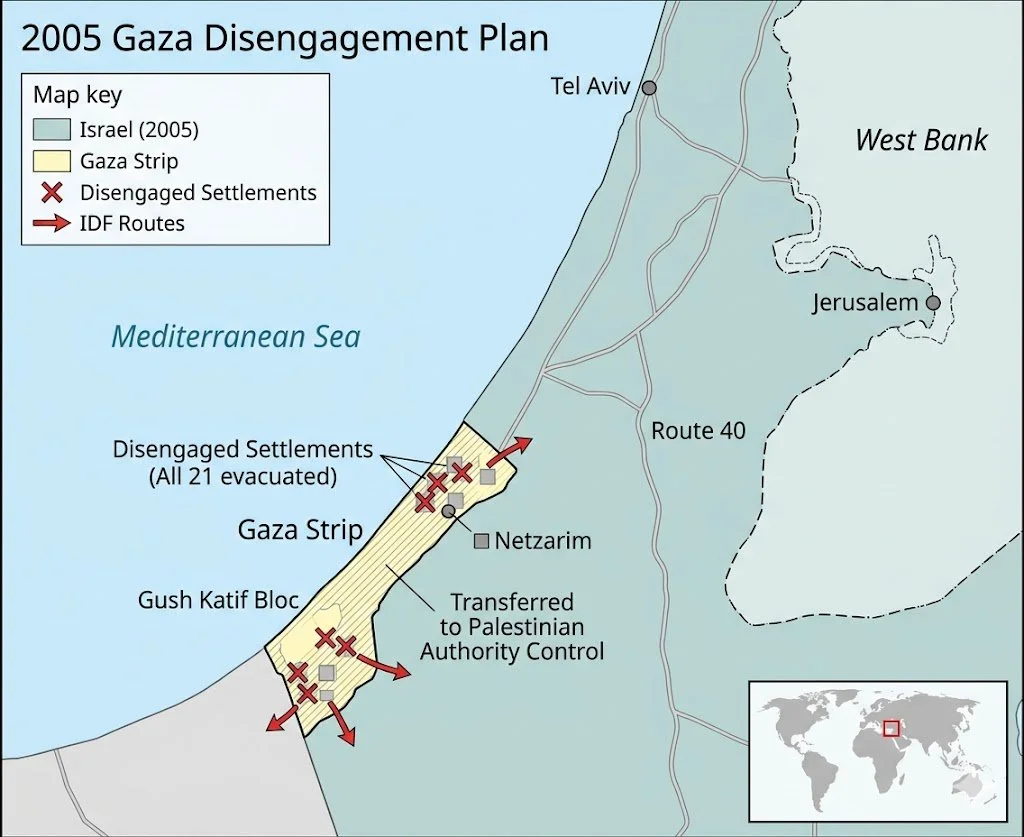
2005 - The Disengagement from Gaza
In a controversial and unilateral move, Prime Minister Ariel Sharon implemented the Disengagement Plan, which saw the total withdrawal of Israeli military forces and the evacuation of all 21 Jewish settlements from the Gaza Strip. The move was intended to reduce friction and improve Israel's security, but it caused a massive internal schism, with thousands of Israelis protesting against the forced removal of families from their homes.
The disengagement changed the regional dynamic fundamentally, leaving the Gaza Strip under the control of the Palestinian Authority, which was later ousted by Hamas in 2007.

2003 - Ilan Ramon: The First Israeli in Space
In January 2003, Colonel Ilan Ramon, a decorated fighter pilot, became the first Israeli astronaut, serving as a payload specialist on the Space Shuttle Columbia (STS-107). During the mission, Ramon conducted experiments for Israeli universities and carried symbols of Jewish and Israeli history, including a Torah scroll that survived the Holocaust. He became an instant national hero, representing the pinnacle of Israeli scientific and military achievement.
Tragically, Ramon and his six crewmates perished when the Columbia disintegrated upon re-entry. Despite the tragedy, Ramon’s legacy remains a powerful inspiration for Israeli youth in the fields of science and space exploration. His mission is remembered as a moment of profound national unity and a testament to Israel’s desire to contribute to the global pursuit of knowledge.
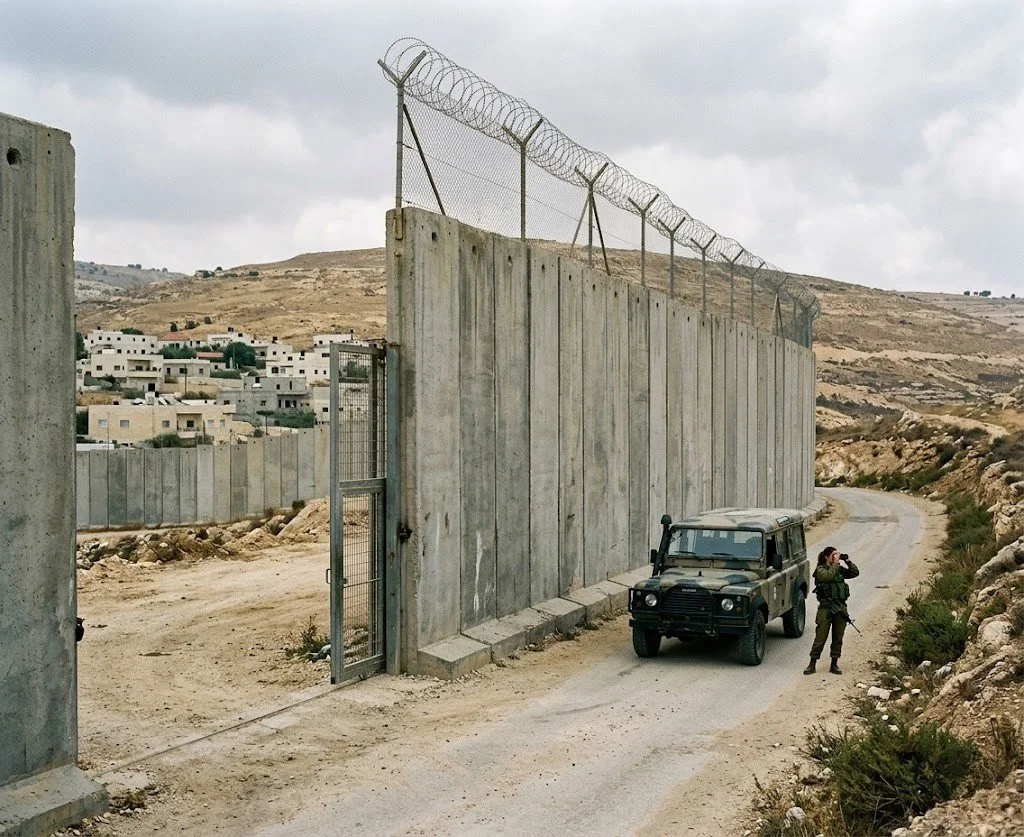
2000 - The Second Intifada and the Security Barrier
Following the failure of the Camp David Summit in 2000, a second, far more violent Palestinian uprising broke out. Characterized by a wave of suicide bombings in Israeli cities, this period led to a massive loss of civilian life. In response, Israel launched "Operation Defensive Shield" and began the construction of a security barrier (a mix of fences and walls) along the West Bank to prevent terrorists from entering Israeli population centers.
While the barrier has been criticized internationally for its route and impact on Palestinian life, it is factually credited by the IDF with a dramatic 90% reduction in suicide attacks..

1999 - Invention of the USB Flash Drive
In the late 1990s, Israeli entrepreneur Dov Moran and his company, M-Systems, developed the "DiskOnKey"—the world's first USB flash drive. This small, portable device replaced the bulky floppy disk and revolutionized how people store and transport data. M-Systems was eventually acquired by SanDisk in 2006 for $1.5 billion, making it one of the most successful tech exits in Israeli history.
The USB flash drive is one of the most widely used Israeli inventions globally. From an Israeli perspective, it is a classic example of "chutzpah"—the audacity to believe a small team could replace a global standard. It solidified Israel's reputation as a world leader in storage technology and paved the way for the flash memory revolution.
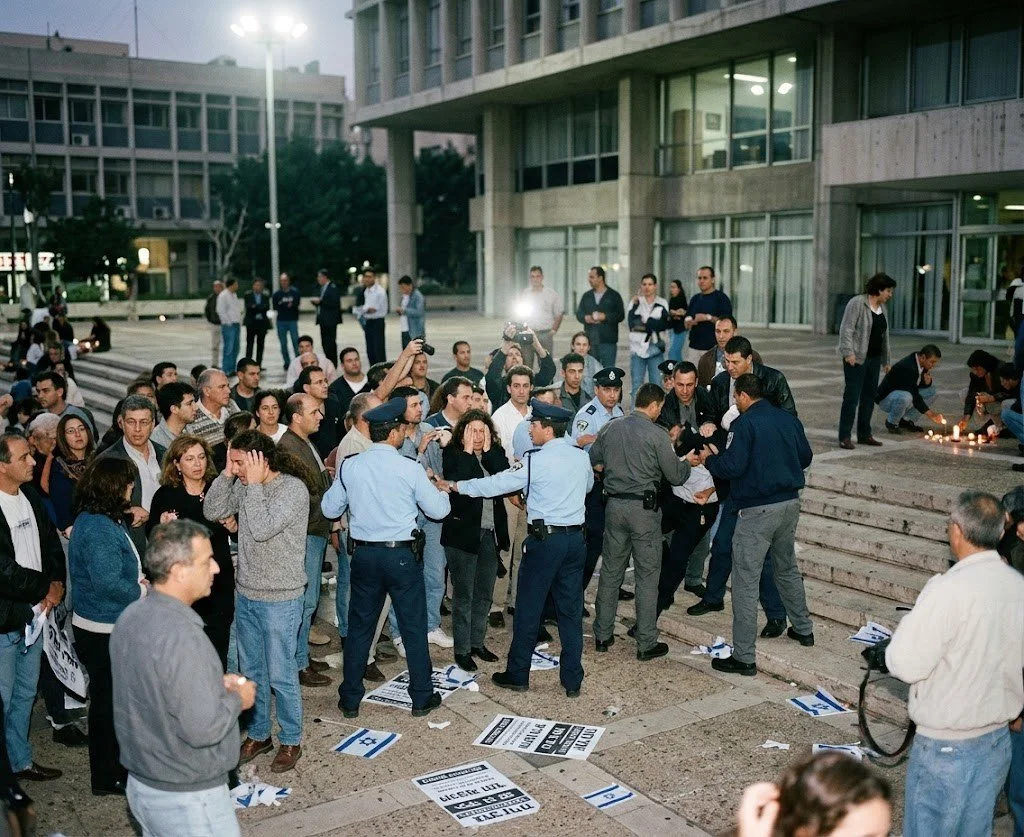
1995 - The Assassination of Yitzhak Rabin
In November 1995, following a peace rally in Tel Aviv, Prime Minister Yitzhak Rabin was assassinated by a Jewish extremist opposed to the Oslo Accords. This event sent shockwaves through the nation and the world, marking one of the darkest days in Israeli history. Rabin, a former military general turned peacemaker, became a symbol of the deep internal divisions regarding the future of the land.
The site of the assassination, now known as Rabin Square, is a major landmark in Tel Aviv where visitors leave candles and tributes. For historians, this event was a tragic turning point that significantly slowed the peace process and left a lasting impact on the Israeli political landscape and the national conversation about democracy and extremism..
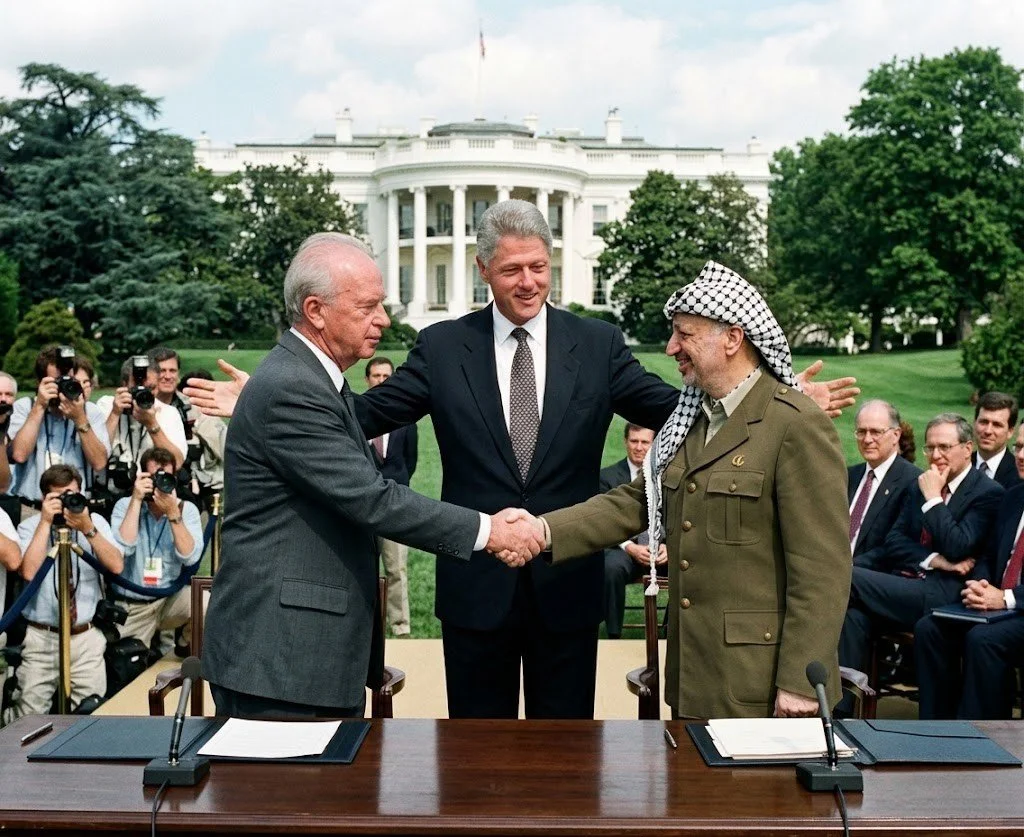
1993 - The Oslo Accords
The Oslo Accords were a series of agreements between Israel and the Palestine Liberation Organization (PLO) aimed at achieving a peace treaty based on a "two-state solution." The iconic handshake between Yitzhak Rabin and Yasser Arafat on the White House lawn symbolized a new hope for reconciliation. The process led to the creation of the Palestinian Authority and the partial withdrawal of Israeli forces from parts of the West Bank and Gaza.
While the process was eventually stalled by waves of violence and political opposition, it fundamentally changed the administrative reality on the ground. The accords divided the West Bank into Areas A, B, and C, a factual geographical framework that still defines the region’s logistics and governance today.
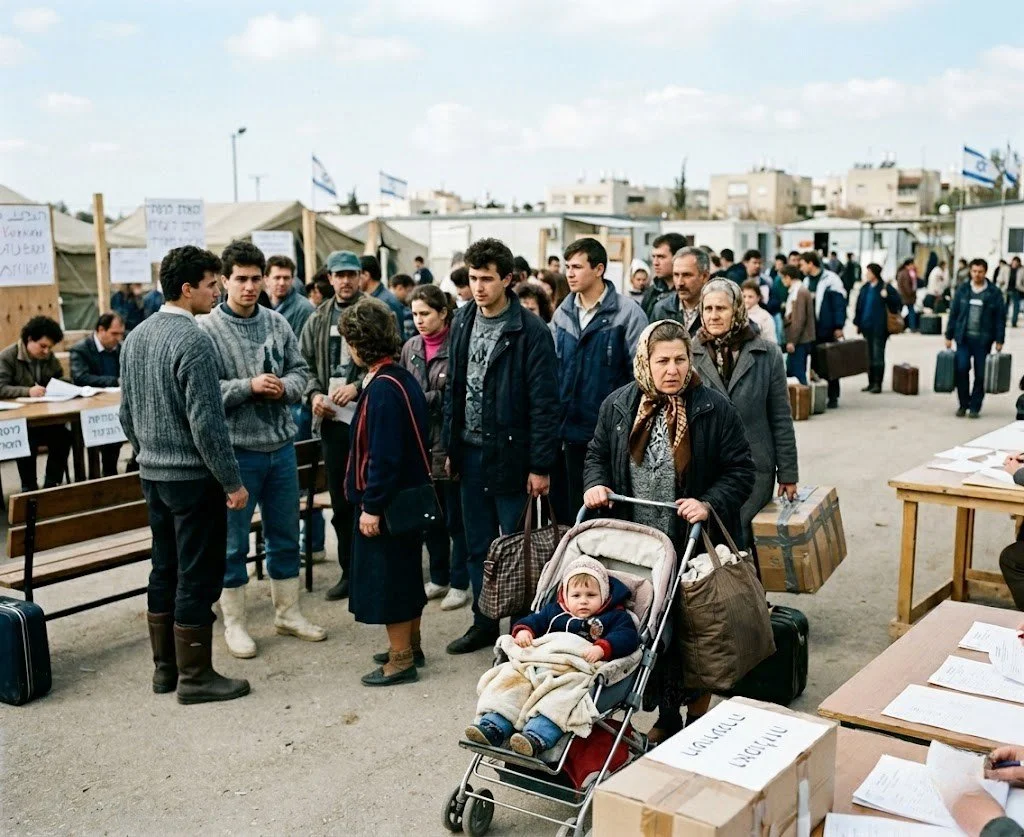
1990 - The Great Aliyah from the Former Soviet Union
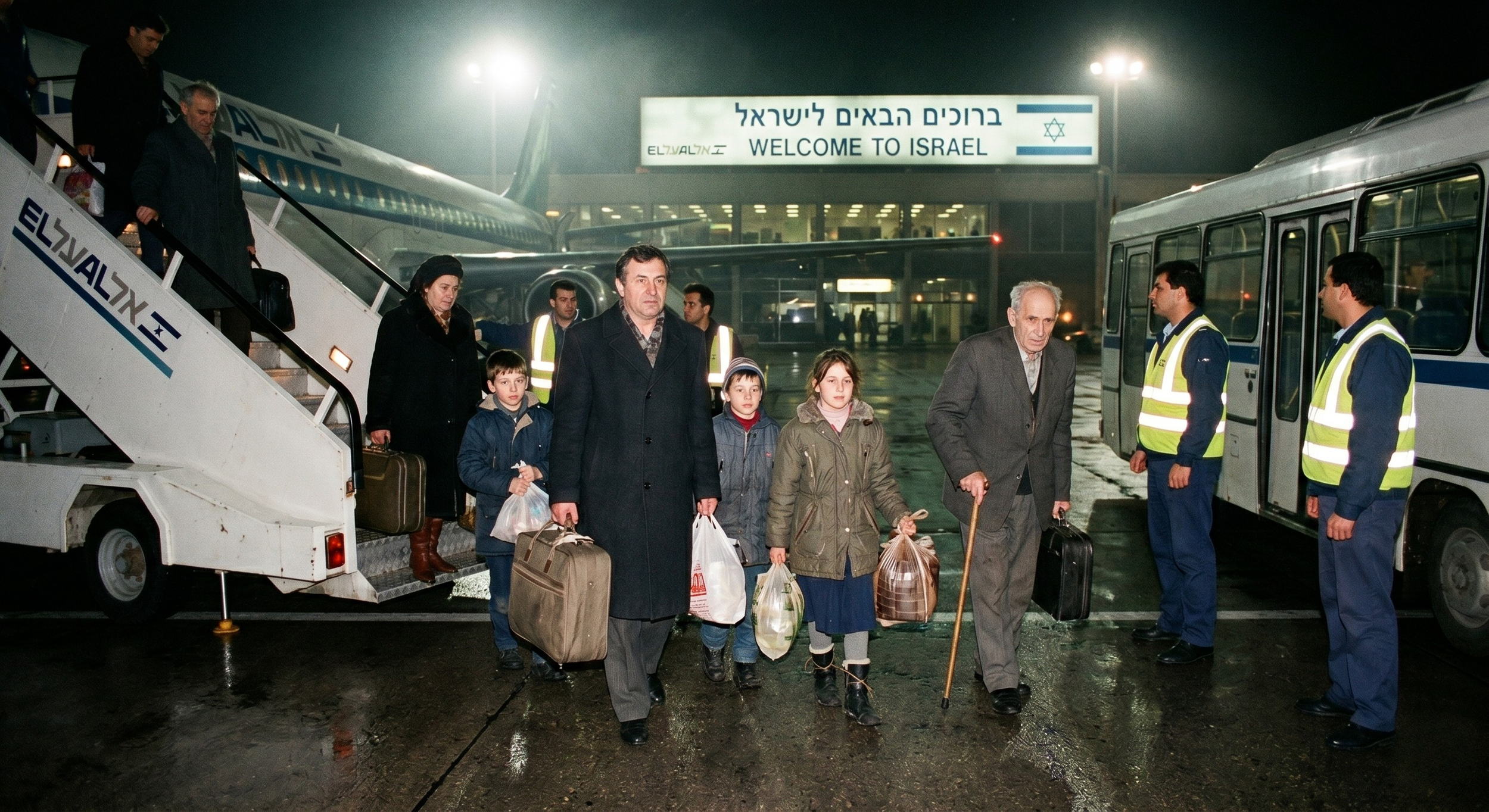
With the collapse of the Soviet Union and the fall of the "Iron Curtain," a massive wave of Jewish immigration began that would fundamentally reshape the State of Israel. Between 1989 and the end of 1998, approximately 750,000 to 800,000 immigrants (Olim) arrived from Soviet Union. This represented a staggering 15–20% increase in Israel's total population in just one decade, a logistical feat of absorption unparalleled in modern history.
This Aliyah was distinct for its high level of professional and academic achievement; the influx brought tens of thousands of doctors, engineers, scientists, and world-class musicians to Israel. This "human capital" acted as a massive engine for the Israeli economy, fueling the transition into a global high-tech superpower. Beyond the economy, the Russian-speaking community transformed the nation's cultural landscape, from the arts and education to the political arena, creating a more diverse and scientifically advanced Israeli society.
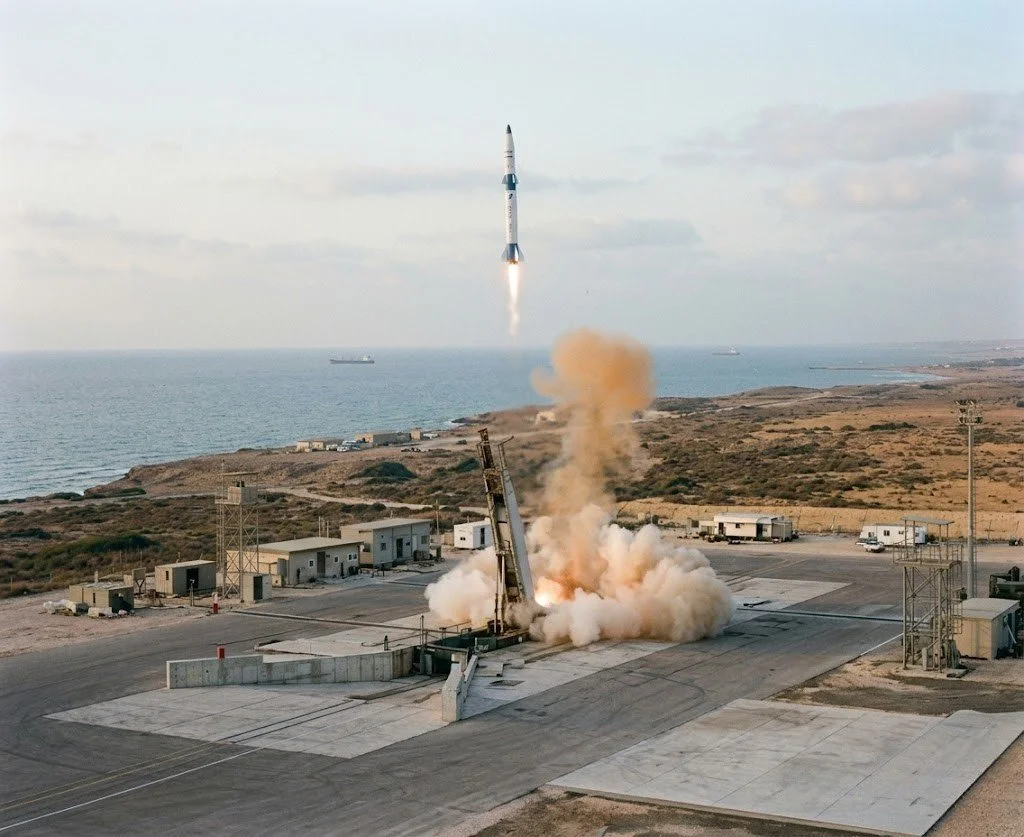
1988 - Launch of Ofeq-1
On September 19, 1988, Israel successfully launched its first satellite, Ofeq-1, into orbit using the Shavit launch vehicle. The launch took place at Palmachim Airbase, making Israel the eighth nation in the world to demonstrate independent launch capability. This achievement was particularly impressive given that Israel had to launch its satellites westward—against the Earth’s rotation—to avoid flying over hostile neighboring countries.
The Ofeq program demonstrated Israel’s advanced capabilities in aerospace engineering and miniaturization. For the Israeli public, entering the "Space Club" was a symbol of technological sovereignty and security. It paved the way for the Amos communication satellites and the Beresheet moon mission, showcasing the nation’s ability to reach the stars despite its small size.
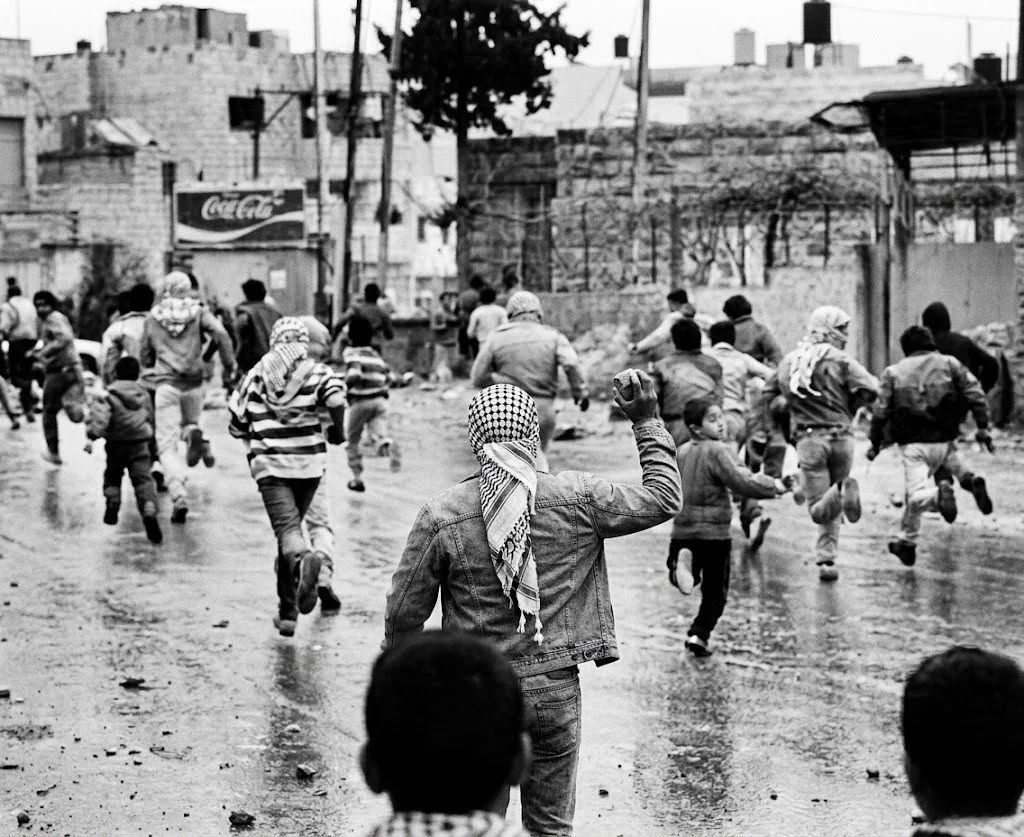
1987 - The First Intifada
The First Intifada began in December 1987 following a traffic accident in Gaza that was misinterpreted by the local population as a deliberate act of retaliation. The uprising quickly evolved into a widespread campaign of civil unrest, characterized by mass demonstrations, commercial strikes, and the frequent pelting of Israeli soldiers and civilians with stones and Molotov cocktails. For the Israel Defense Forces (IDF), this presented a new and complex challenge: a civilian-led uprising that blurred the lines between peaceful protest and violent resistance.
From the Israeli perspective, the Intifada was a period of intense security pressure that forced the military to adapt its tactics for urban riot control. The unrest led to a profound internal debate within Israel regarding the long-term administration of the territories.
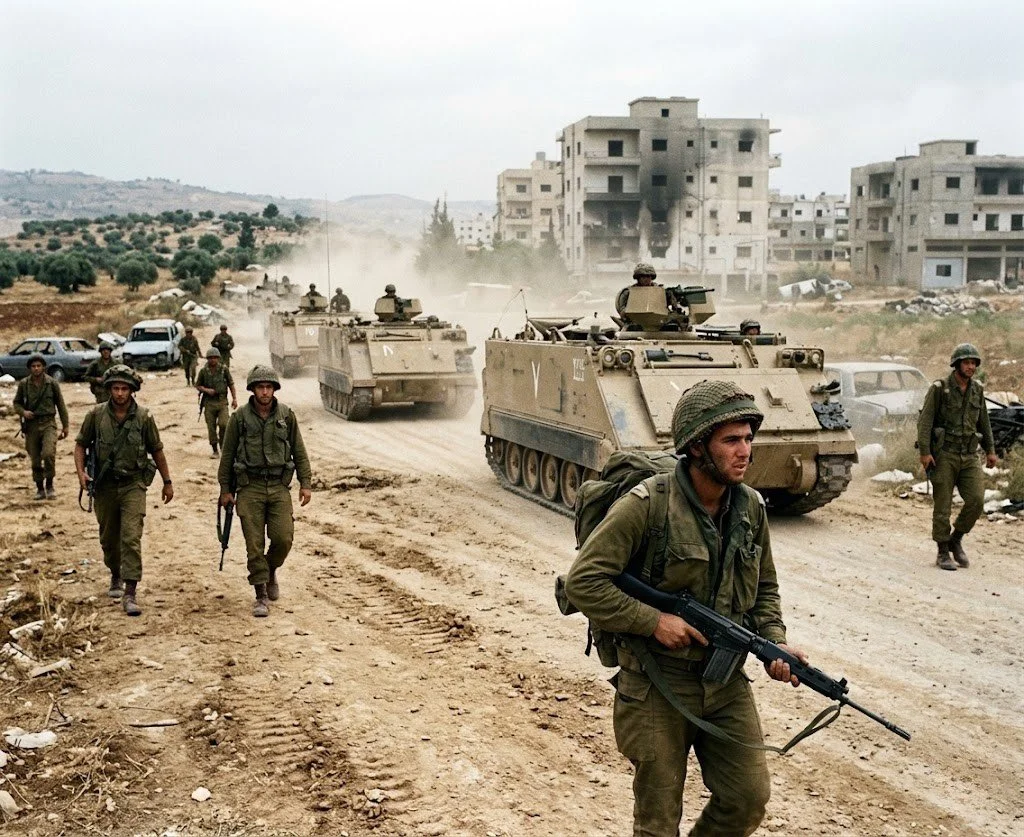
1982 - The First Lebanon War
In response to repeated attacks by the Palestine Liberation Organization (PLO) from Lebanese territory, Israel launched "Operation Peace for Galilee," invading southern Lebanon. The war aimed to push PLO forces away from the border but eventually escalated into a full-scale siege of Beirut. While the PLO was eventually expelled to Tunisia, the war became a long and controversial conflict that deeply divided Israeli public opinion.
The war's aftermath saw the rise of Hezbollah and led to a nearly 18-year Israeli presence in a "security zone" in southern Lebanon. For researchers, this period is a critical study in the complexities of regional warfare and political dissent. It is remembered for its significant impact on Israeli military doctrine and the long-term changes it brought to the northern border's security dynamics.
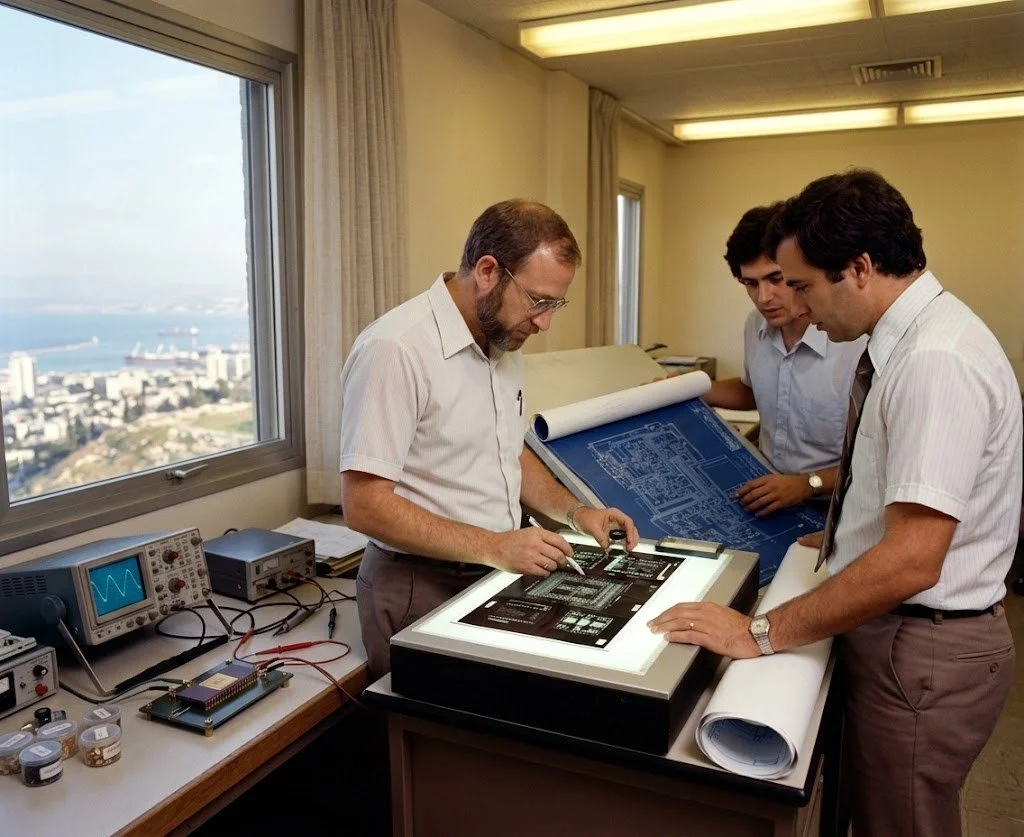
1979 - Development of the Intel 8088 Chip in Haifa
In 1979, engineers at Intel’s design center in Haifa (IDC) completed the development of the 8088 microprocessor. This chip was chosen by IBM for its first Personal Computer (PC), effectively launching the personal computer revolution that changed the world. The Haifa team’s success proved that Israeli engineering talent could compete at the highest levels of global technology.
The 8088 chip established Israel as a vital hub for the global semiconductor industry. This event is often cited as the "Big Bang" of the Israeli high-tech scene, leading to the establishment of R&D centers by Google, Microsoft, and Apple. It remains a factual source of pride, highlighting how a small team in Haifa helped build the "brains" of the modern digital age.
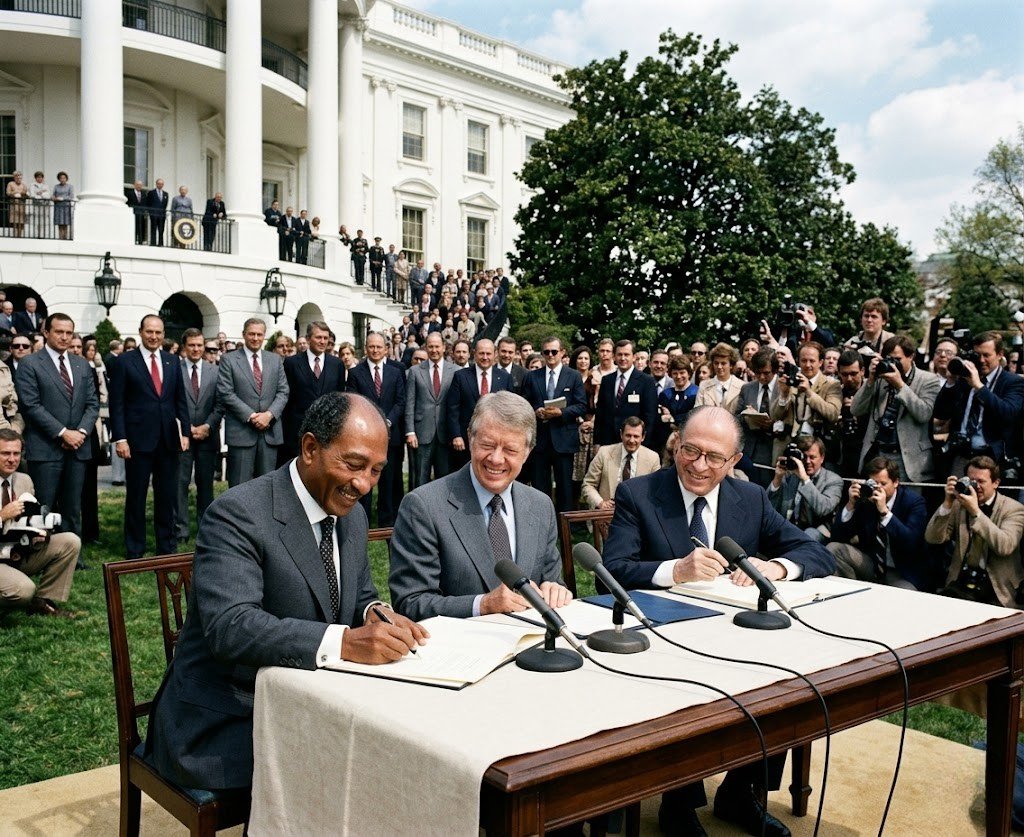
1979 - The Egypt-Israel Peace Treaty
Following the historic visit of Egyptian President Anwar Sadat to Jerusalem, Israel and Egypt signed a formal peace treaty on the lawn of the White House. Israel agreed to withdraw from the entire Sinai Peninsula in exchange for full diplomatic recognition and security guarantees. This was the first peace treaty between Israel and an Arab state, breaking a thirty-year cycle of major wars.
The treaty proved that "land for peace" could be a viable diplomatic strategy. For travelers and logistics operators, this agreement opened the border at Taba, allowing for regional movement and cooperation that has lasted for decades. It remains a cornerstone of regional stability and a milestone in the history of Middle Eastern diplomacy.
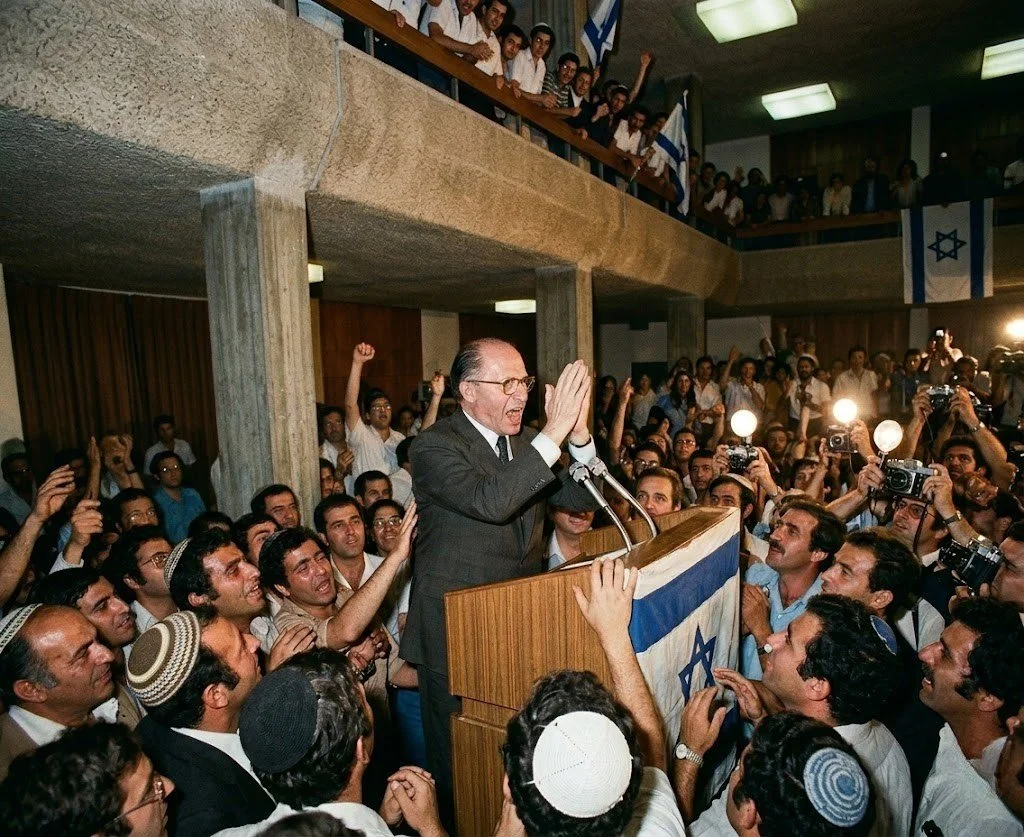
1977 - The 1977 "Mahapach"
The 1977 legislative elections marked a historic shift in Israeli politics, often referred to as the "Mahapach" or upheaval. For the first time since the state's founding, the left-wing Labor party was defeated, and the right-wing Likud party, led by Menachem Begin, took power. This ended nearly 30 years of uninterrupted Labor dominance and signaled a major demographic shift as Mizrahi Jews (from Arab and Muslim countries) became a decisive political force.
Begin’s victory led to significant changes in Israel's social and economic policies, moving the country toward a more market-oriented economy and a more assertive stance on security and settlement. For historians, the 1977 election is the moment Israel became a truly multi-party democracy where power could shift between ideological blocs, fundamentally changing the national political landscape
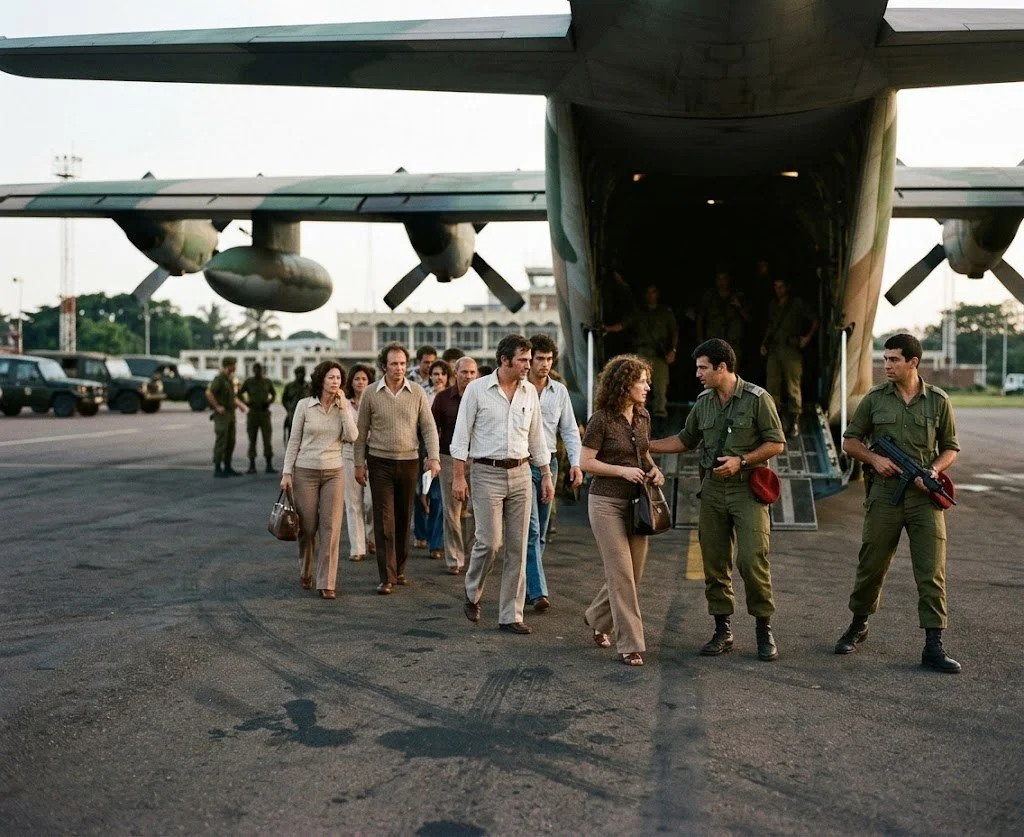
1976 - Operation Entebbe
On June 27, 1976, an Air France flight was hijacked by Palestinian and German terrorists and flown to Entebbe, Uganda. In a daring and unprecedented rescue mission, Israeli commandos flew over 2,500 miles to the Entebbe airport, stormed the terminal, and successfully rescued over 100 hostages. The operation was a masterpiece of intelligence and military precision, though it cost the life of the unit's commander, Yonatan Netanyahu.
The success of Operation Entebbe was a massive morale booster for Israel and a signal to the world that the nation would go to any lengths to protect its citizens from global terrorism. Today, the mission is studied by military academies worldwide as a prime example of a hostage rescue operation. It remains one of the most celebrated moments in Israeli military history, synonymous with courage and technical ingenuity.
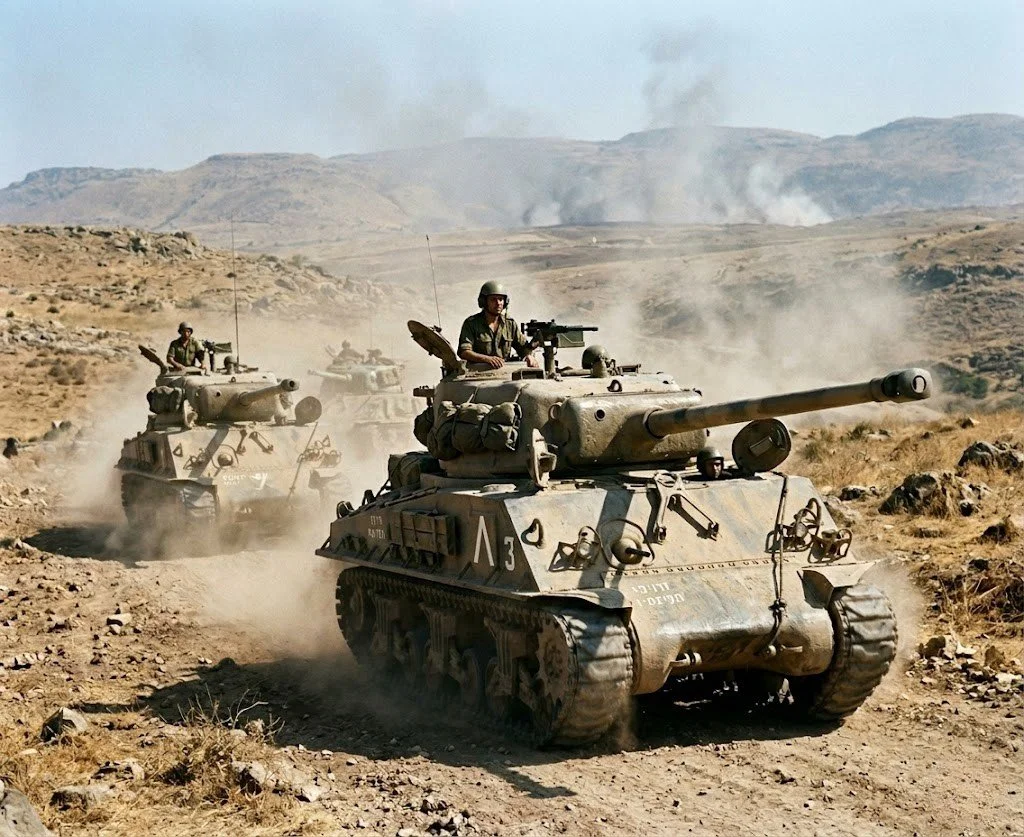
1973 - The Yom Kippur War
On the holiest day of the Jewish calendar, Egypt and Syria launched a surprise coordinated attack on Israel from the south and north. The initial days of the war were a dire struggle for survival as Israel was caught off-guard. However, a massive mobilization and a series of high-stakes tank battles allowed the IDF to push back and eventually surround the Egyptian Third Army, leading to a ceasefire.
The Yom Kippur War had a profound effect on the Israeli psyche, leading to a deep national soul-searching regarding military readiness and leadership. It also paved the way for future diplomacy, as it demonstrated that a purely military solution to the conflict was unsustainable. Memorials across the Golan Heights and the Sinai border stand as factual witnesses to this pivotal and costly conflict.

1970 - Commercial Development of the Cherry Tomato
While small tomatoes existed in the wild, the modern, sweet, and shelf-stable "cherry tomato" we eat today was largely developed by Israeli scientists at the Hebrew University of Jerusalem, led by Professor Nahum Kedar and Professor Chaim Rabinovitch. They used genetic cross-breeding to create a tomato that was small, delicious, and didn't rot during long-distance transport, making it commercially viable for global supermarkets.
This agricultural breakthrough transformed salads across the globe. It is a factual example of how Israeli "ag-tech" focuses on commercial efficiency and sustainability. For many, the cherry tomato is the ultimate "tasty" ambassador for Israeli innovation, representing a blend of scientific research and market savvy that has improved diets worldwide.
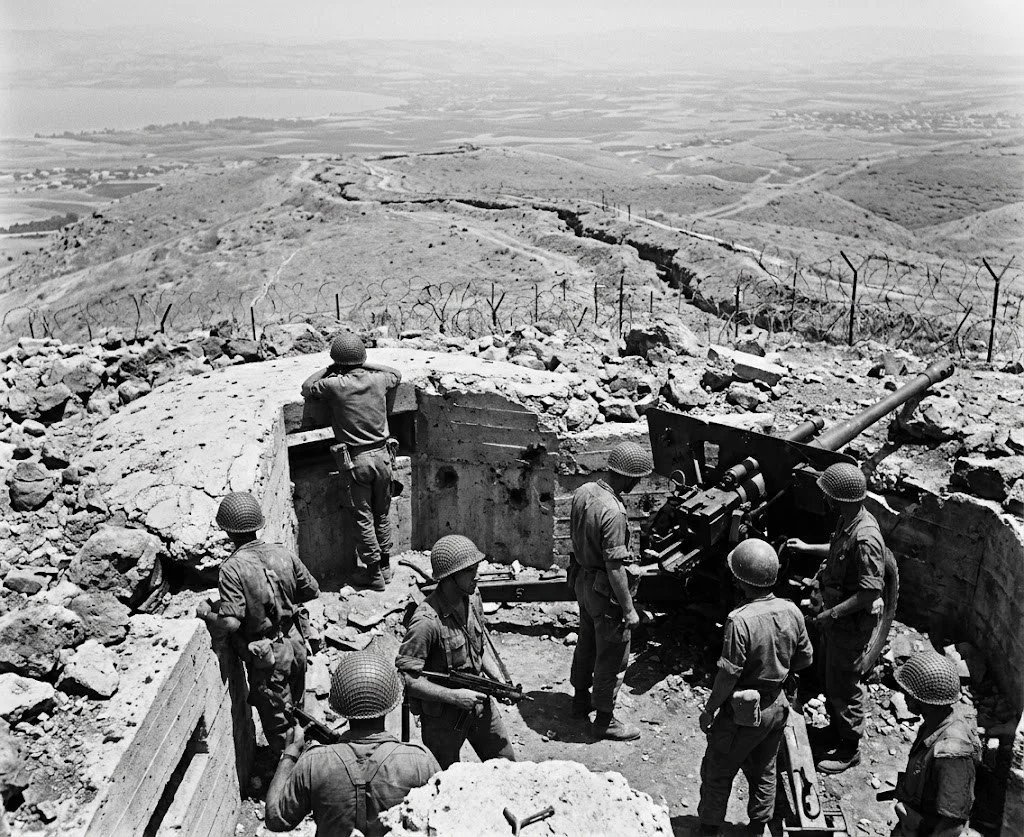
1967 - The Six-Day War
In June 1967, following a period of high tension and a blockade of the Straits of Tiran, Israel launched a preemptive strike against its neighbors. In just six days, the Israel Defense Forces (IDF) captured the Sinai Peninsula, the Gaza Strip, the West Bank, the Golan Heights, and, most significantly, the Old City of Jerusalem. The reunification of Jerusalem allowed Jews to pray at the Western Wall for the first time in 19 years.
This war fundamentally changed the geography and politics of the region. It brought millions of people and numerous holy sites under Israeli control, creating new administrative challenges and spiritual milestones. For visitors, sites like Ammunition Hill and the Western Wall Plaza provide a factual look at the intensity of the fighting and the profound emotional impact of the city's reunification.
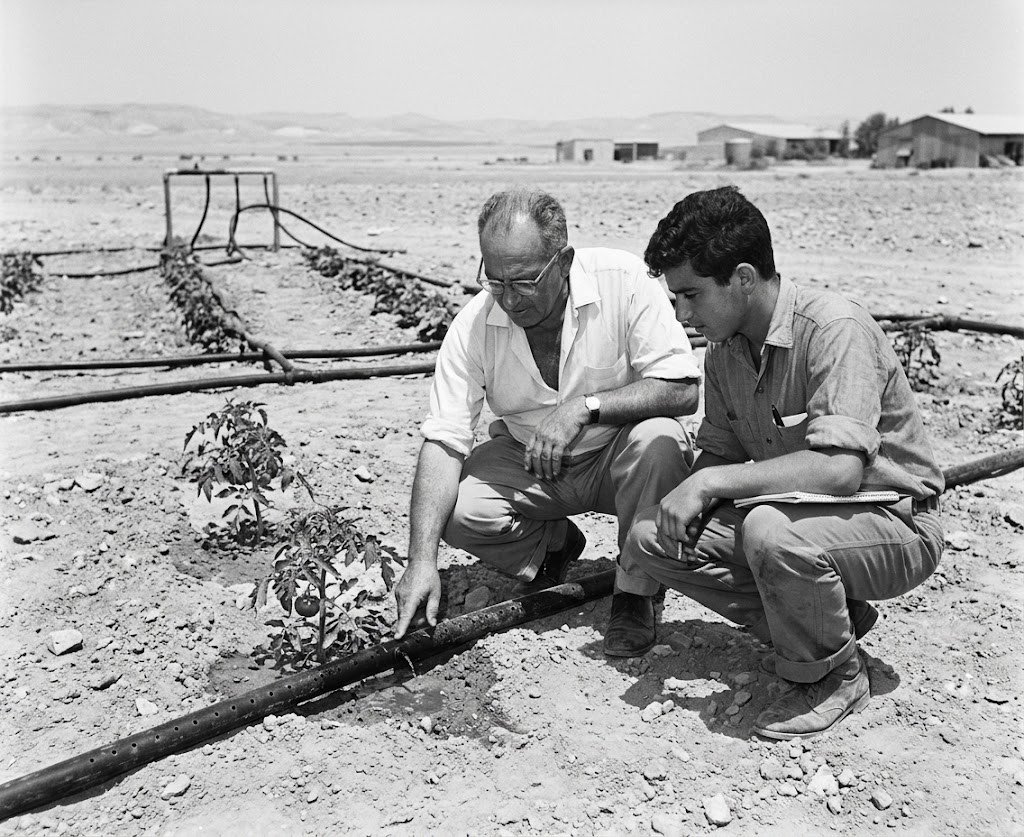
1965 - The Invention of Drip Irrigation
In the mid-1960s, Israeli engineer Simcha Blass and his son Yeshayahu revolutionized global agriculture by developing the first modern drip irrigation system. By founding the company Netafim in Kibbutz Hatzerim, they moved away from traditional flood irrigation to a method that delivers water and nutrients directly to the plant's roots in controlled "drips." This innovation was born out of the necessity to make the Negev desert bloom.
Today, drip irrigation is considered one of the most important agricultural inventions in history, used in over 110 countries to conserve water and increase crop yields. From an Israeli perspective, this achievement represents the nation’s ability to turn environmental challenges into sustainable solutions for the entire planet, securing food production in arid regions worldwide.
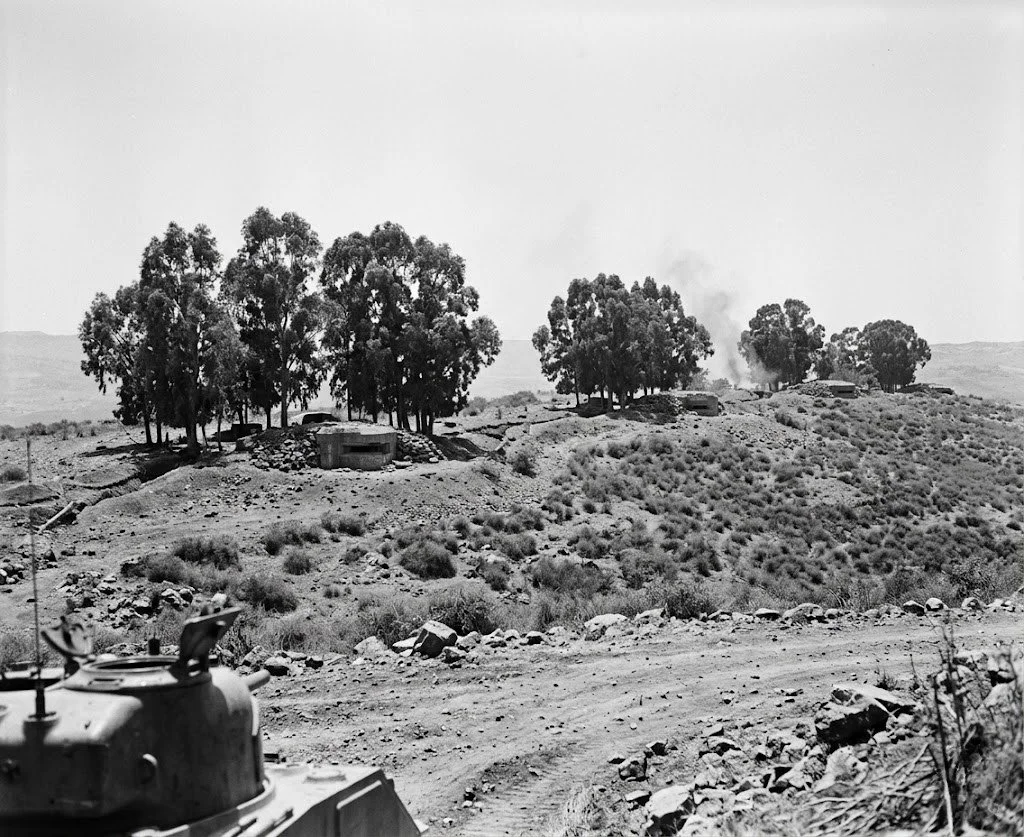
1965 - Execution of Eli Cohen
Eli Cohen, often regarded as Israel’s greatest spy, successfully infiltrated the highest levels of the Syrian government under the alias Kamal Amin Ta'abet. Operating from Damascus between 1962 and 1965, he became a close confidant of senior military officials and political leaders, gaining unprecedented access to Syria’s strategic defense plans. His intelligence was transmitted back to Israel via a hidden radio transmitter, providing the Mossad with critical data on Syrian troop movements and fortifications.
In January 1965, Cohen was caught in the act of transmitting by Syrian counterintelligence using advanced Soviet-made direction-finding equipment. Despite international pleas for clemency, he was executed in Marjeh Square, Damascus, on May 18, 1965. His contribution proved decisive just two years later during the Six-Day War. He famously suggested that the Syrian army plant eucalyptus trees to shade their bunkers on the Golan Heights; during the 1967 conflict, these trees served as perfect markers for the Israeli Air Force and ground troops, allowing them to pinpoint and destroy the otherwise hidden Syrian fortifications.
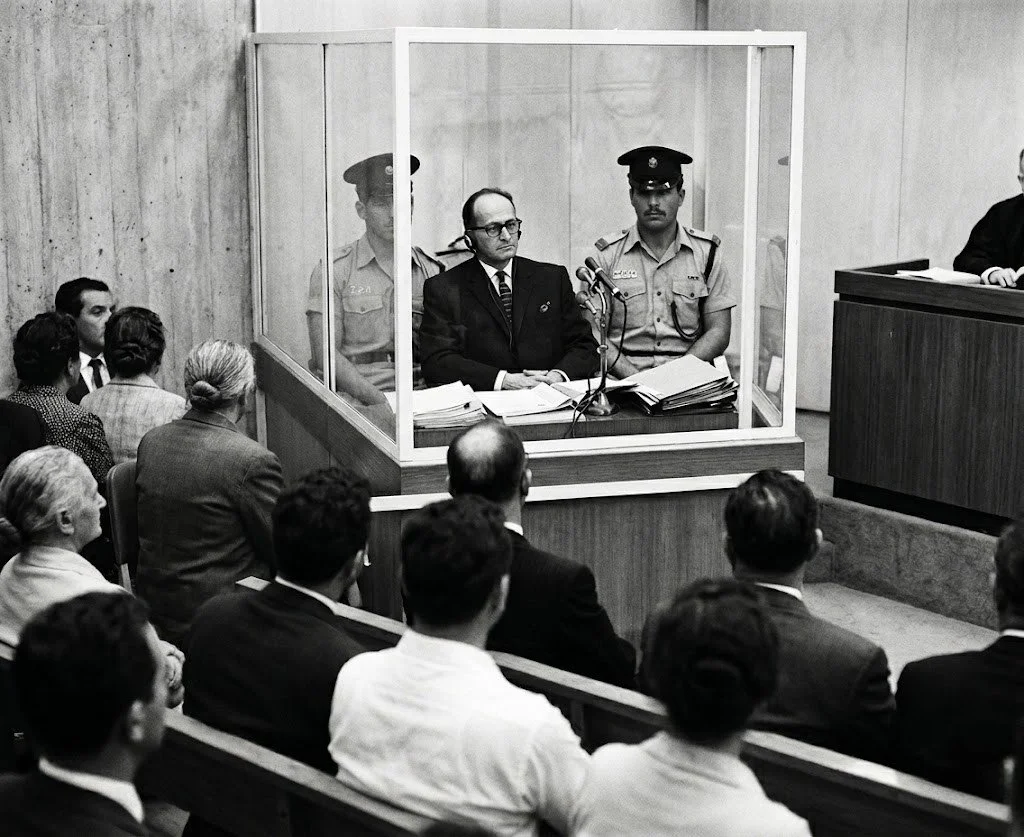
1961 - The Trial of Adolf Eichmann
In 1960, Mossad agents captured Nazi war criminal Adolf Eichmann in Argentina and brought him to Jerusalem for a public trial. The trial was a watershed moment for Israel and the world, as over 100 Holocaust survivors took the stand to give harrowing, first-hand accounts of the atrocities they endured. It was the first time that the story of the Holocaust was told systematically in an Israeli court, and it fundamentally changed how the young nation engaged with its past.
The trial transformed the Holocaust from a "remote and abstract" event into a central pillar of Israeli identity. It broke the silence surrounding survivors and led to a global shift in the awareness of Nazi crimes. Eichmann’s subsequent execution remains the only time the death penalty has been carried out in Israeli history, serving as a factual record of the state's role in seeking justice for the Jewish people.
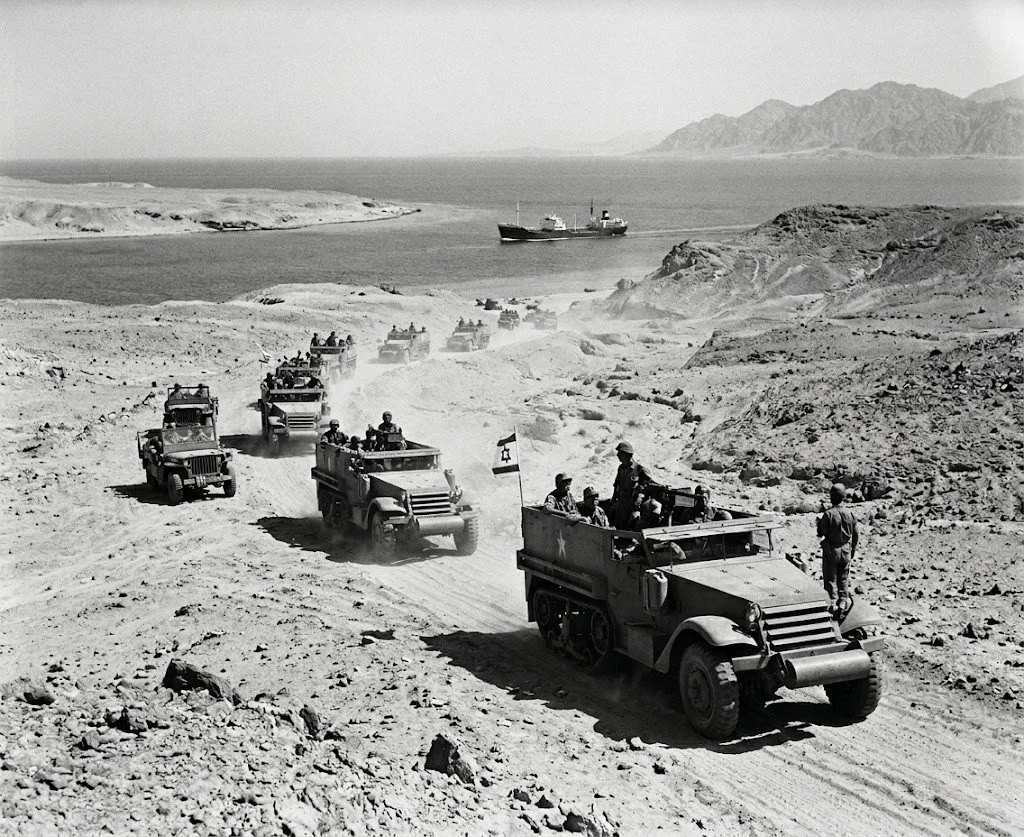
1956 - The Sinai Campaign
Facing a maritime blockade in the Straits of Tiran and constant fedayeen raids from Gaza, Israel launched a preemptive strike on October 29, 1956. Known as Operation Kadesh, the campaign sought to dismantle Egyptian military bases in the Sinai and secure Israel's vital shipping route to the Red Sea and beyond.
The IDF successfully captured the Sinai Peninsula in just eight days, reaching the Suez Canal. While global diplomatic pressure eventually led to a withdrawal, the mission secured over a decade of relative peace on the southern border and reopened the Port of Eilat, fueling the economic development of the Negev.
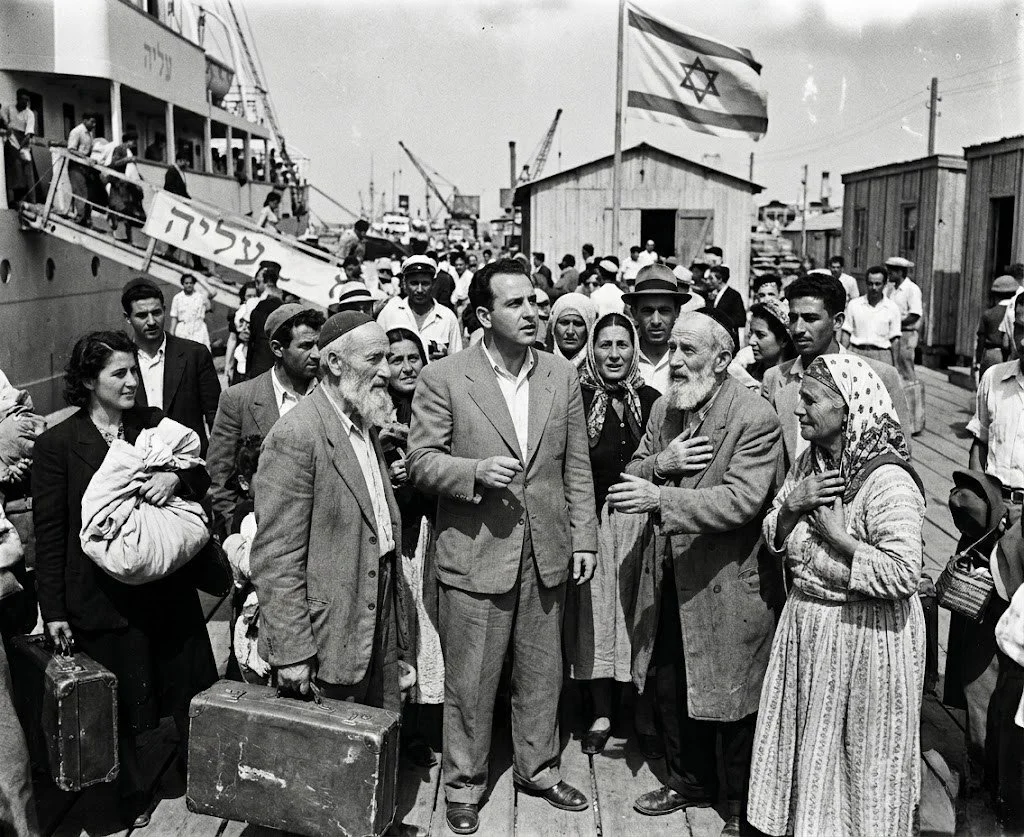
1950 - The Law of Return
In 1950, the Knesset passed the Law of Return, a landmark piece of legislation that grants every Jew the right to immigrate to Israel and settle as a citizen. This law codified the state's mission as a haven for the global Jewish Diaspora. It was a direct response to the centuries of displacement and the tragedy of the Holocaust, ensuring that the doors of the nation would remain open to Jewish people everywhere.
This law triggered massive waves of Aliyah (immigration) from post-war Europe, Arab countries, and later from the Soviet Union and Ethiopia. For both religious and secular Jews, it is a foundational principle of the state's identity. Archaeologically and culturally, the influx of these diverse communities is visible in the unique "melting pot" of Israeli society, food, and traditions that visitors experience today.
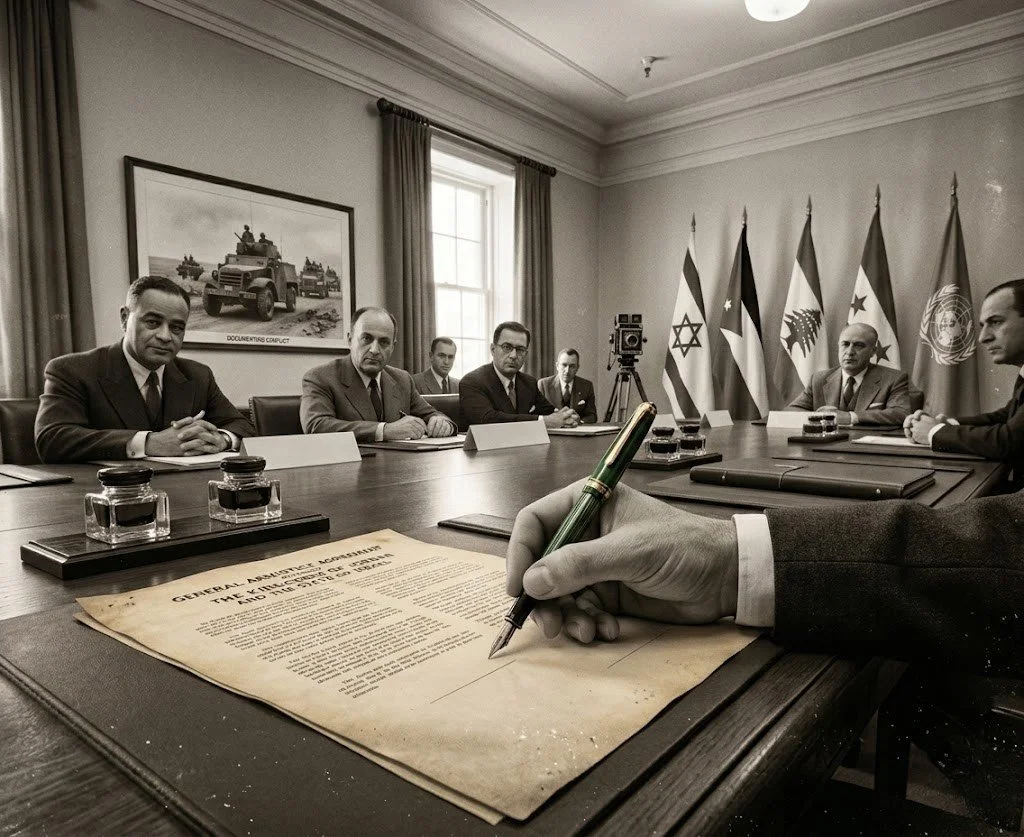
1948 - The War of Independence and Armistice Agreements
Immediately following the declaration of the state, Israel was invaded by five neighboring Arab armies. The conflict, known as the War of Independence, lasted over a year and resulted in Israel securing its borders. The war concluded in 1949 with a series of Armistice Agreements signed on the island of Rhodes with Egypt, Jordan, Lebanon, and Syria.
These agreements established the "Green Line," which served as Israel’s de facto borders for nearly two decades. For historians, this period represents the fragile but successful birth of the state under extreme pressure. Today, sites like Independence Hall in Tel Aviv and the Castel National Park serve as factual reminders of the heavy cost and the resilience shown during this founding chapter.
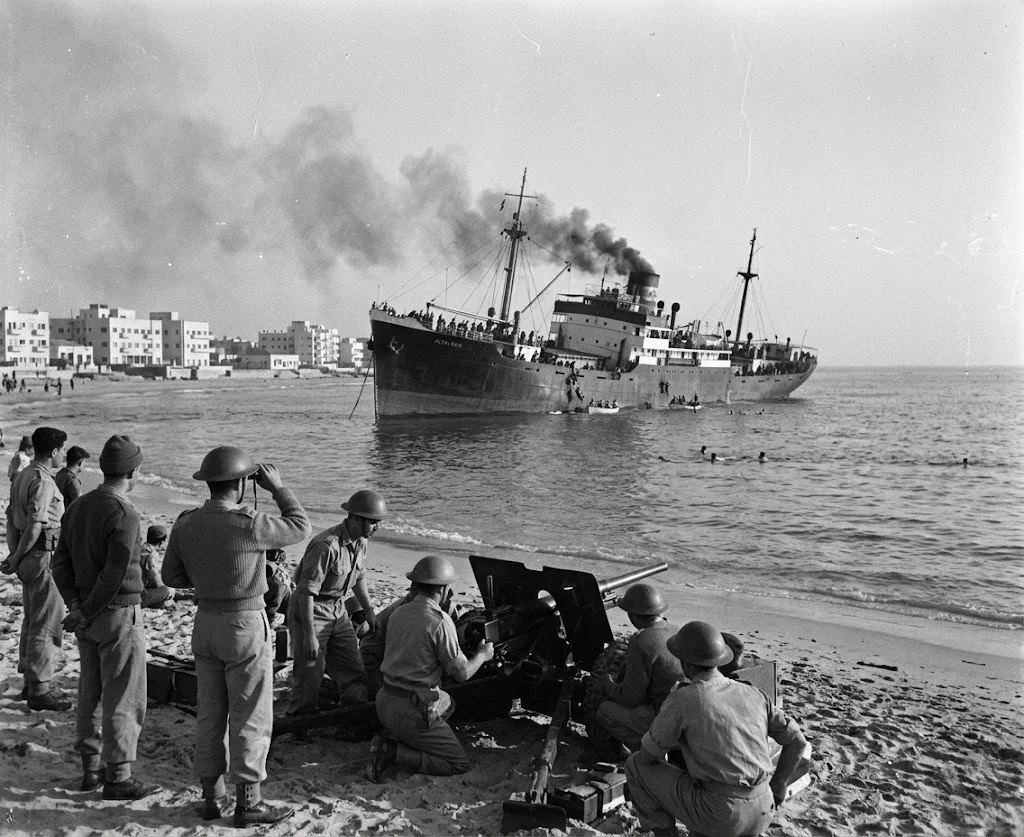
1948 - The Altalena Affair
During the height of the War of Independence, a violent confrontation erupted between the newly formed Israel Defense Forces (IDF) and the Irgun (a pre-state paramilitary group) over a cargo ship called the Altalena. The ship carried a massive shipment of arms and hundreds of Jewish immigrants. Fearing the emergence of "private armies" that could lead to a civil war, Prime Minister David Ben-Gurion ordered the IDF to seize the weapons, resulting in the ship being shelled and sunk off the coast of Tel Aviv.
This event is one of the most critical in Israel's internal history, as it solidified the concept of "Mamlachtiyut" (stateness)—the principle that there must be only one unified military and government authority. For historians, the Altalena Affair was the painful moment that prevented internal collapse and ensured that the young state would have a single, disciplined defense force under civilian control..
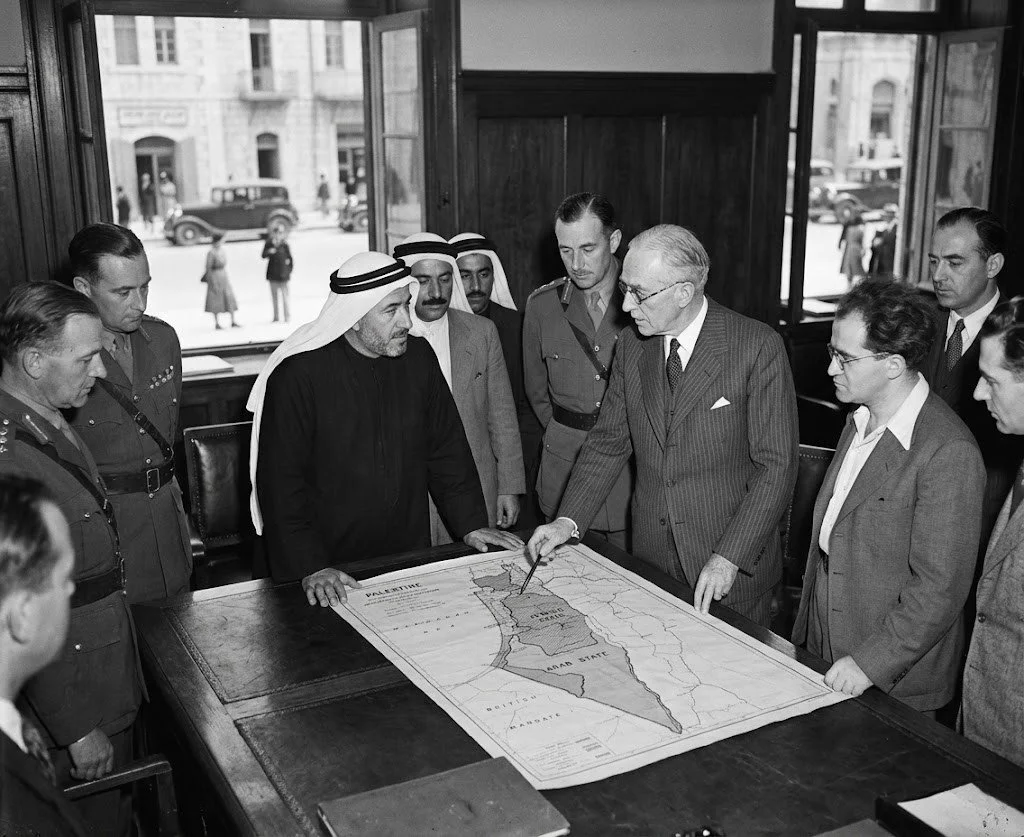
1937 - The Peel Commission Partition Plan
In 1937, the Peel Commission concluded that the Mandate was unworkable due to irreconcilable national goals. They proposed the first-ever partition of the land, offering a sovereign Jewish state in approximately 20% of the territory—primarily the Galilee and coastal plain—while the remaining 80% was to be merged into an Arab state, with Britain retaining a corridor to Jerusalem.
David Ben-Gurion and the Zionist leadership cautiously accepted the proposal, viewing even a small territory as a vital foothold for sovereignty. However, Haj Amin al-Husseini, the Mufti of Jerusalem, rejected the plan entirely, refusing any form of compromise. Despite this rejection, the Commission's report remained a milestone: it was the first time Britain officially endorsed the creation of a sovereign, independent Jewish state, shifting the international focus toward the formal recognition of Jewish national independence.
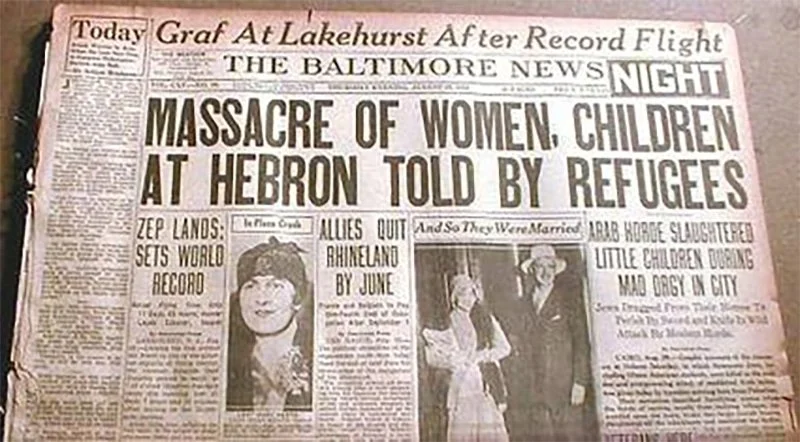
1929 - Hebron massacre
The 1929 riots were some of the deadliest in the Mandate's history, sparked by rumors regarding Jewish intentions for the Western Wall and the Temple Mount. The violence reached a horrific peak in Hebron, where a local Arab mob massacred 67 Jews, many of whom were students and families from the non-Zionist "Old Yishuv". Days later, a similar massacre occurred in Safed, where nearly 20 more residents were killed. Total Jewish casualties for the week reached 133 dead and 339 wounded. The Hebron massacre fundamentally changed the Jewish community's relationship with its ancestral neighbors, ending centuries of peaceful coexistence in the city. These events convinced the Jewish leadership that self-reliance and a strong, unified defense force were the only ways to ensure Jewish survival. The ensuing Shaw Commission report led to further British restrictions on land sales and immigration.
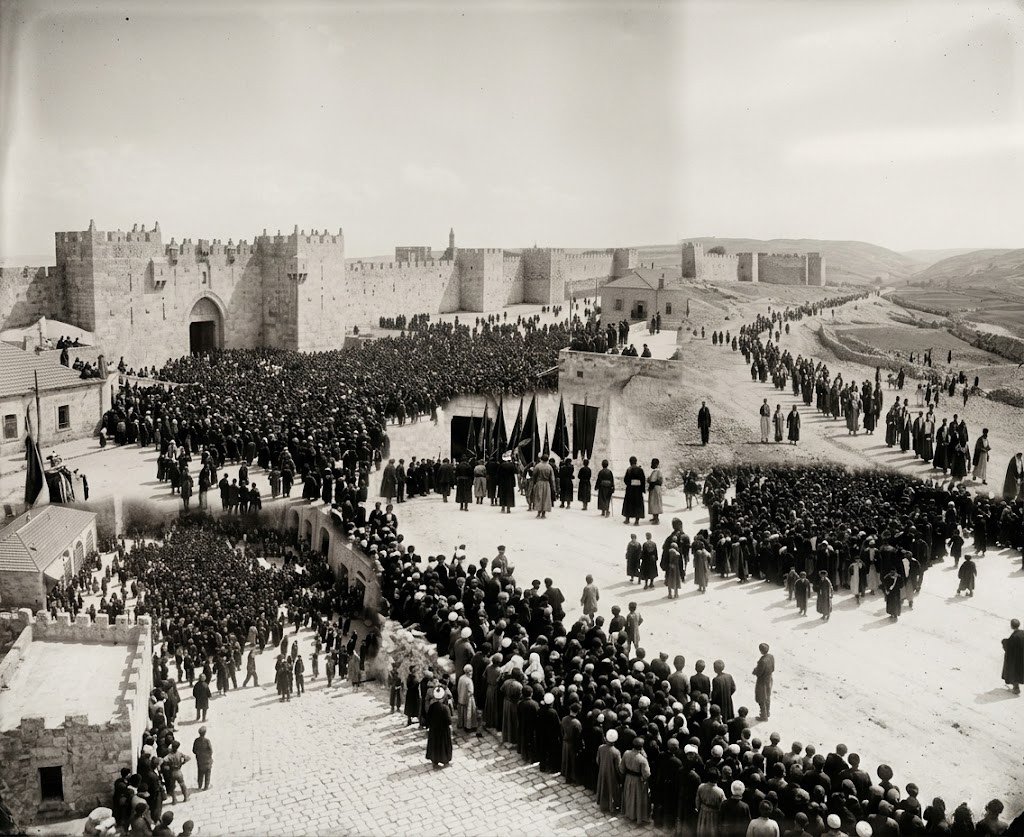
1920 - Nebi Musa Riots
During the annual Nebi Musa festival in Jerusalem, religious and nationalist speeches by Arab leaders triggered a violent outbreak against Jewish residents in the Old City. Over three days, five Jews were killed and 216 were wounded. The riots occurred during the Passover holiday and marked the first major instance of intercommunal violence under British rule, highlighting the vulnerability of Jewish neighborhoods in the ancient city. This event served as a critical turning point for the Jewish community’s approach to defense. The perceived failure of the British police to protect the residents led directly to the formation of the Haganah in June 1920. This underground defense organization would eventually become the foundation of the Israel Defense Forces, marking the moment the Yishuv took its security into its own hands..
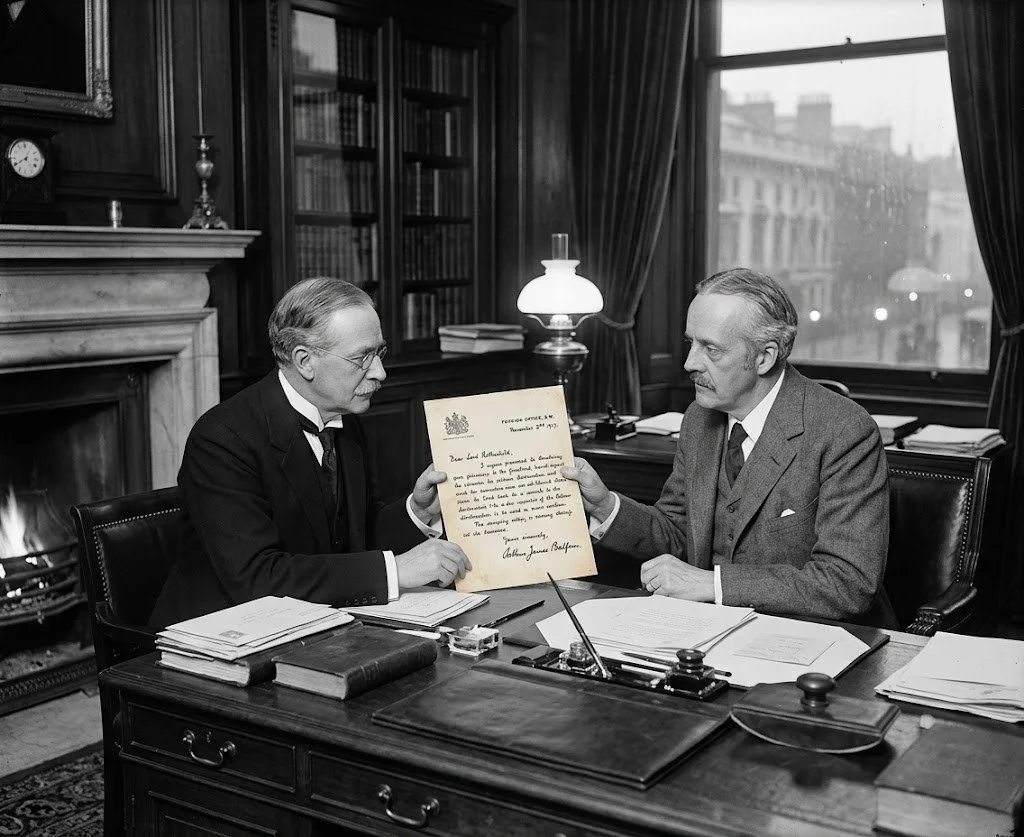
1917 - The Balfour Declaration
On November 2, 1917, the British Foreign Secretary, Arthur James Balfour, sent a historic letter to Lord Walter Rothschild, a leader of the British Jewish community. The letter stated that the British government viewed with favor the establishmen of a "national home for the Jewish people" and would use its best endeavors to facilitate this objective. This was the first time a global superpower had formally and legally recognized the right of the Jewish people to self-determination in their ancestral homeland.
For the Zionist movement, led by Chaim Weizmann, the declaration was a monumental diplomatic victory that transformed a centuries-old dream into a concrete political project. It provided the necessary international legitimacy to encourage further Aliyah and investment in the land. This document served as the legal cornerstone for the British Mandate, which was eventually ratified by the League of Nations, setting the stage for the physical and institutional building of the future State of Israel.
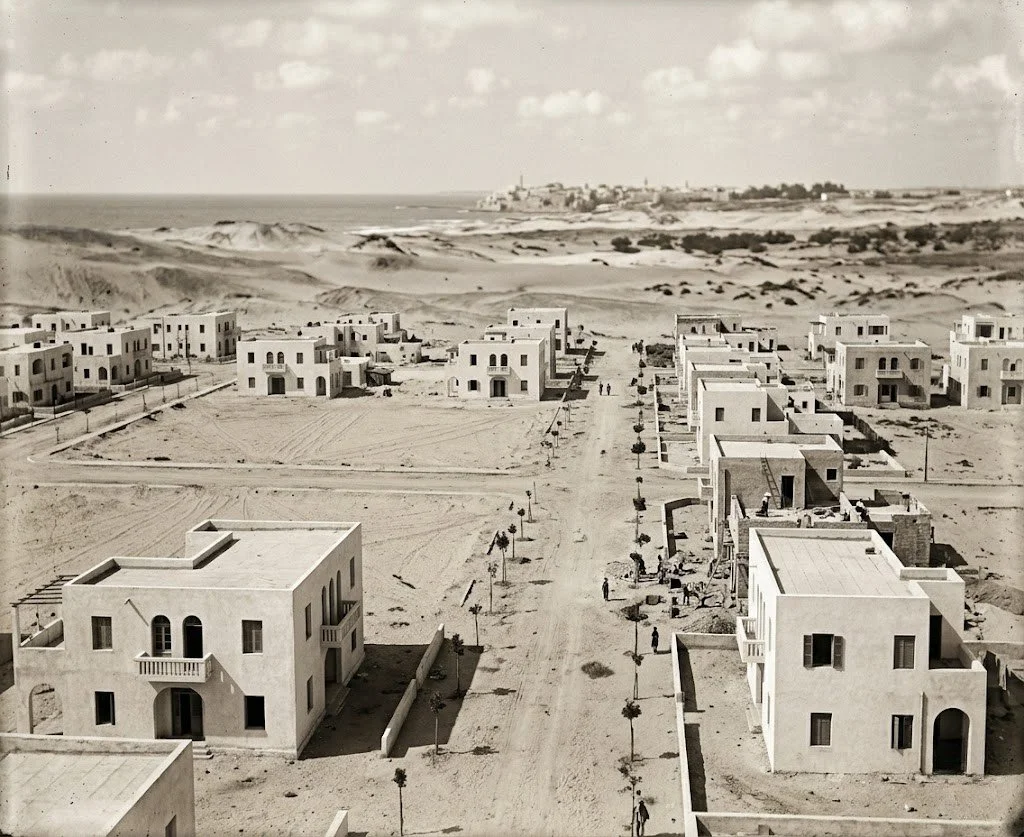
1909 - The Founding of Tel Aviv
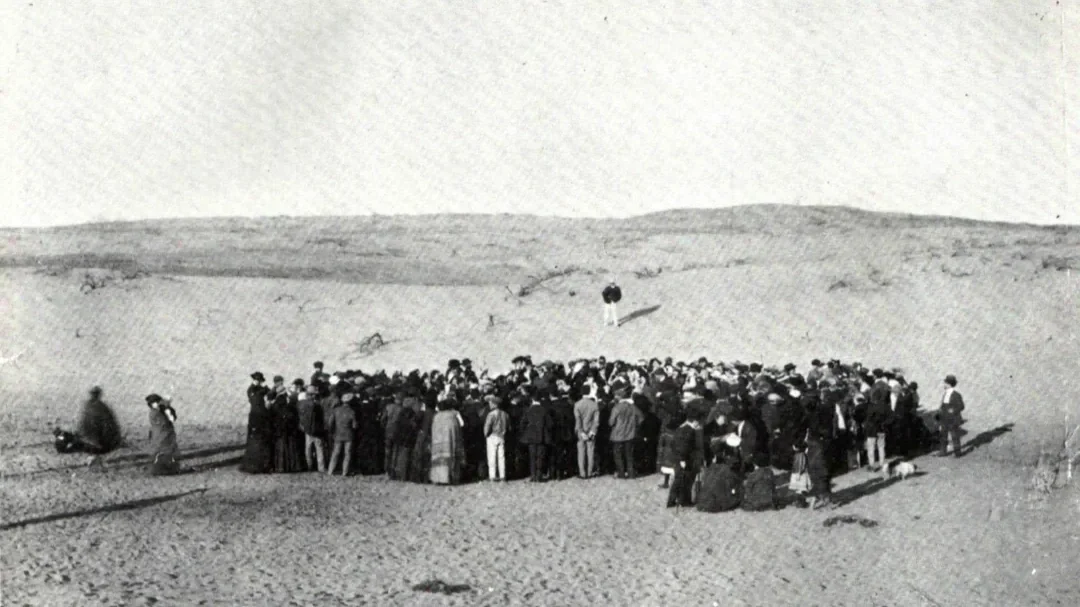
In April 1909, 66 families met on the desolate sand dunes north of the ancient port of Jaffa to participate in a "lottery of the seashells." They were members of the Ahuzat Bayit society, seeking to build the first modern Hebrew city outside the crowded and unsanitary conditions of Jaffa. Each seashell was marked with a plot number, determining where each family would build their new home.
Tel Aviv was designed as a modern, garden-style city with a focus on hygiene, education, and the Hebrew language. It grew at an explosive rate, becoming the vibrant cultural and economic heart of the Jewish community. The founding of the "First Hebrew City" was a factual demonstration of the Zionist movement's ability to create urban centers from nothing, serving as a symbol of Jewish modernization and self-reliance.
Modern Israel History FAQ
Historical Facts & Context
When was the modern State of Israel established?
+
The State of Israel was officially established on May 14, 1948. This followed the termination of the British Mandate and the adoption of the United Nations Partition Plan for Palestine.
What are the most important dates in modern Israeli history?
+
Key milestones include the 1948 Independence War, the 1967 Six-Day War, and the 1973 Yom Kippur War. Other pivotal moments include the 1979 Peace Treaty with Egypt, the 1994 Peace Treaty with Jordan, and the 2020 Abraham Accords.
Why was the 1967 Six-Day War a turning point for Israel?
+
The 1967 war fundamentally altered the regional map and resulted in the unification of Jerusalem. During the conflict, Israel also gained control of the West Bank, the Gaza Strip, the Golan Heights, and the Sinai Peninsula.
What was the Balfour Declaration of 1917?
+
The Balfour Declaration was a formal statement by the British government supporting a national home for the Jewish people. It was issued during World War I and served as a foundational document for the Zionist movement and the eventual establishment of the state.
When did Israel sign peace treaties with Egypt and Jordan?
+
Israel signed a historic peace treaty with Egypt in 1979 and with Jordan in 1994. These agreements normalized diplomatic relations, established official borders, and ended decades of formal state-to-state conflict.
Why is modern Israel known as the "Start-up Nation"?
+
The term "Start-up Nation" describes Israel's rapid growth as a global hi-tech hub. The country has the highest density of startups per capita in the world, driven by significant investment in research, development, and technology.
What are the Abraham Accords signed in 2020?
+
The Abraham Accords are agreements that normalized relations between Israel and several Arab nations. This includes the United Arab Emirates, Bahrain, Morocco, and Sudan, marking a significant shift in regional diplomacy.
Where was Israel's independence officially declared?
+
The Declaration of Independence was read at Independence Hall in Tel Aviv. The ceremony took place on Rothschild Boulevard in the former home of the city's first mayor, Meir Dizengoff.
How did the 1973 Yom Kippur War affect Israel?
+
The 1973 war led to a major political realignment within Israel and highlighted the need for diplomacy. The conflict eventually paved the way for the 1977 visit of Anwar Sadat to Jerusalem and the subsequent peace with Egypt.
What periods define the modern history of Israel?
+
Modern Israeli history is defined by the Zionist movement of the late 19th century, the British Mandate era, and the post-1948 era of statehood. This includes a progression from early agricultural settlement to a modern, high-tech industrial economy.
No ads, no commercials, just high-quality content.
If you find our work valuable, we would be grateful for your support. Your contribution helps us continue our mission of providing high-quality content and sharing it with an even wider audience. Support Our Mission