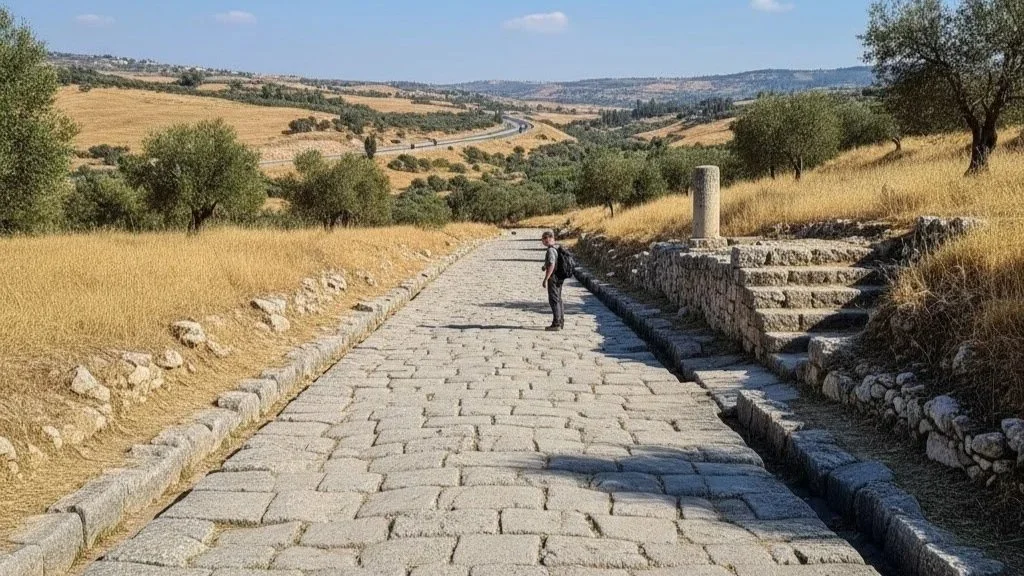
Israel’s Largest Ancient Glass Shard
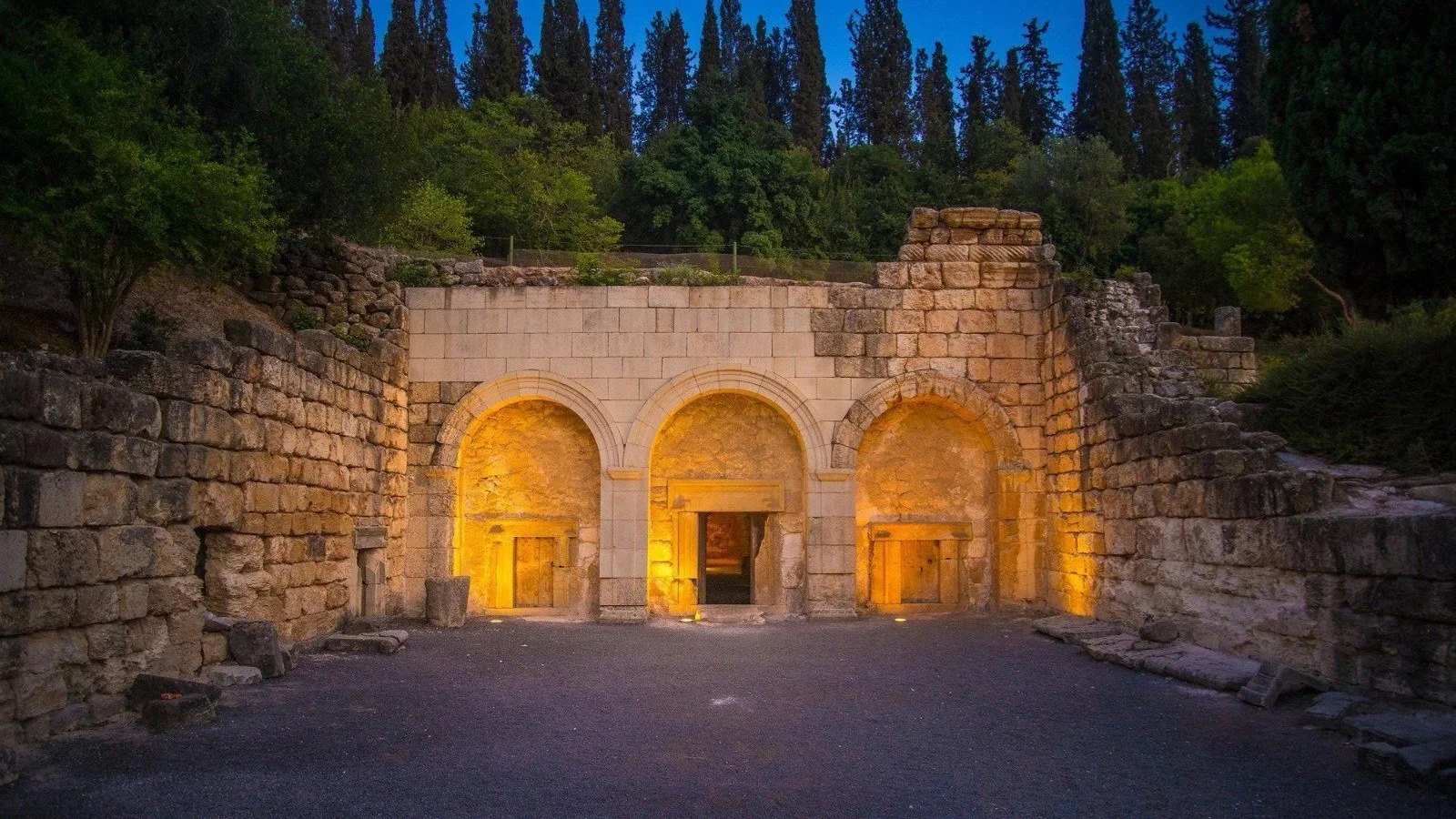
The largest ancient glass block ever discovered in the world was found in Israel in 1959 during archaeological excavations at Beit She'arim, a site known for its rock-cut caves.
This massive rectangular block of opaque purple glass measured about 3.5 meters in length, 2 meters in width, and 0.5 meters in thickness, weighing approximately 8.8 tons. The glass block was found on the floor of a carved cave, which served as an early glass production workshop during the early Muslim period.
A large melting furnace was built in the cave, where raw materials for glass were mixed and heated to over 1,000 degrees Celsius for several weeks until the materials fused into the glass block. After the furnace was dismantled, smaller glass pieces were broken off and sold to local glassware workshops
This significant glass block attracted study at the Corning Glass Works in the United States, where the glass was investigated in relation to a similar large glass block weighing 14.5 tons that was used to cast the reflective mirror for the Palomar Observatory telescope in California.
The cave where the block was found represents a rare example of an ancient glass production site, highlighting the sophisticated early glassmaking industry in the region.
The discovery not only reflects the historical mastery of glass production in ancient Israel but also illustrates the long tradition of glass craftsmanship that has roots reaching back through Roman and early Islamic periods.
The site at Beit She'arim, historically significant for its archaeological and cultural richness, adds to the understanding of how glass was manufactured, processed, and traded in antiquity.
On a notable occasion, the Israeli government held a parliamentary session inside the same cave in 2008, underscoring the historical and cultural importance of the site and its findings.
This ancient glass block is a testament to Israel's ancient technological heritage in the glassmaking craft and offers unique insights into early industrial processes that contributed to the development of glass as a material essential to human civilization.
This discovery also fits into the broader narrative of ancient glassmaking centers found in Israel, such as in the Jezreel Valley, which are among the oldest known glass production facilities in the world, dating back to the fourth century A.D., confirming Israel's pivotal role in the ancient trade and manufacture of glass.
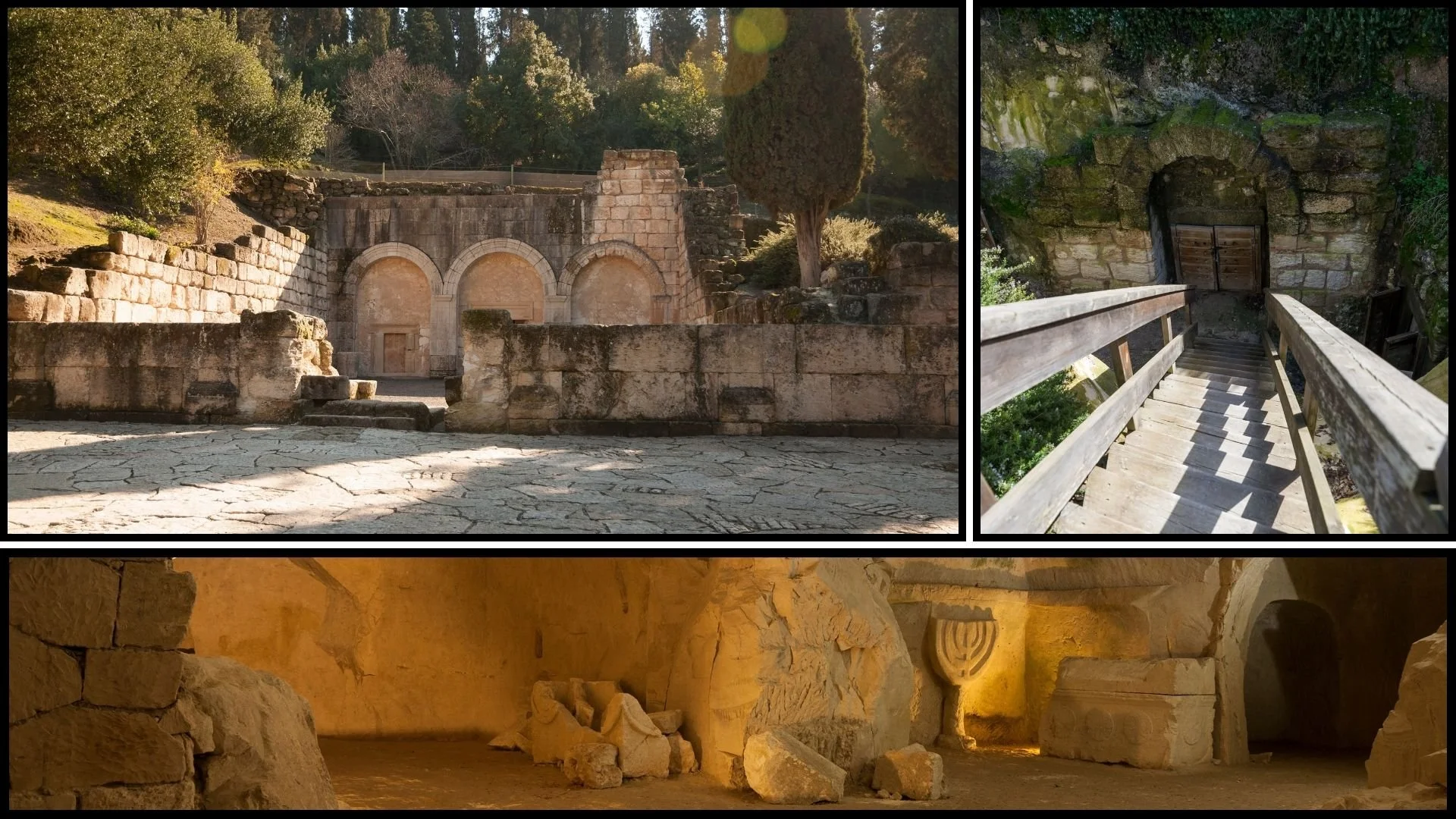
Beit She'arim National Park
Beit She'arim National Park in Israel is a breathtaking UNESCO World Heritage site known for its ancient Jewish necropolis with a vast network of rock-cut burial caves and sarcophagi adorned with intricate carvings and symbols.
Visitors can explore notable sites such as the Cave of Coffins and the HaNasi Cave, witnessing beautifully preserved art and inscriptions that link deeply to Jewish history and spirituality.
The park, set on a picturesque hilltop near Kiryat Tiv'on, offers walking trails through its historical burial sites surrounded by lush greenery and scenic views. Easy access by car is available with parking on-site, and GPS navigation is recommended to find this significant archaeological and cultural treasure.
Image Credit: Mano Grinshpan
No ads, no commercials, just high-quality content.
If you find our work valuable, we would be grateful for your support. Your contribution helps us continue our mission of providing high-quality content and sharing it with an even wider audience. Support Our Mission