The Oldest Dog Cemetery in Ashkelon
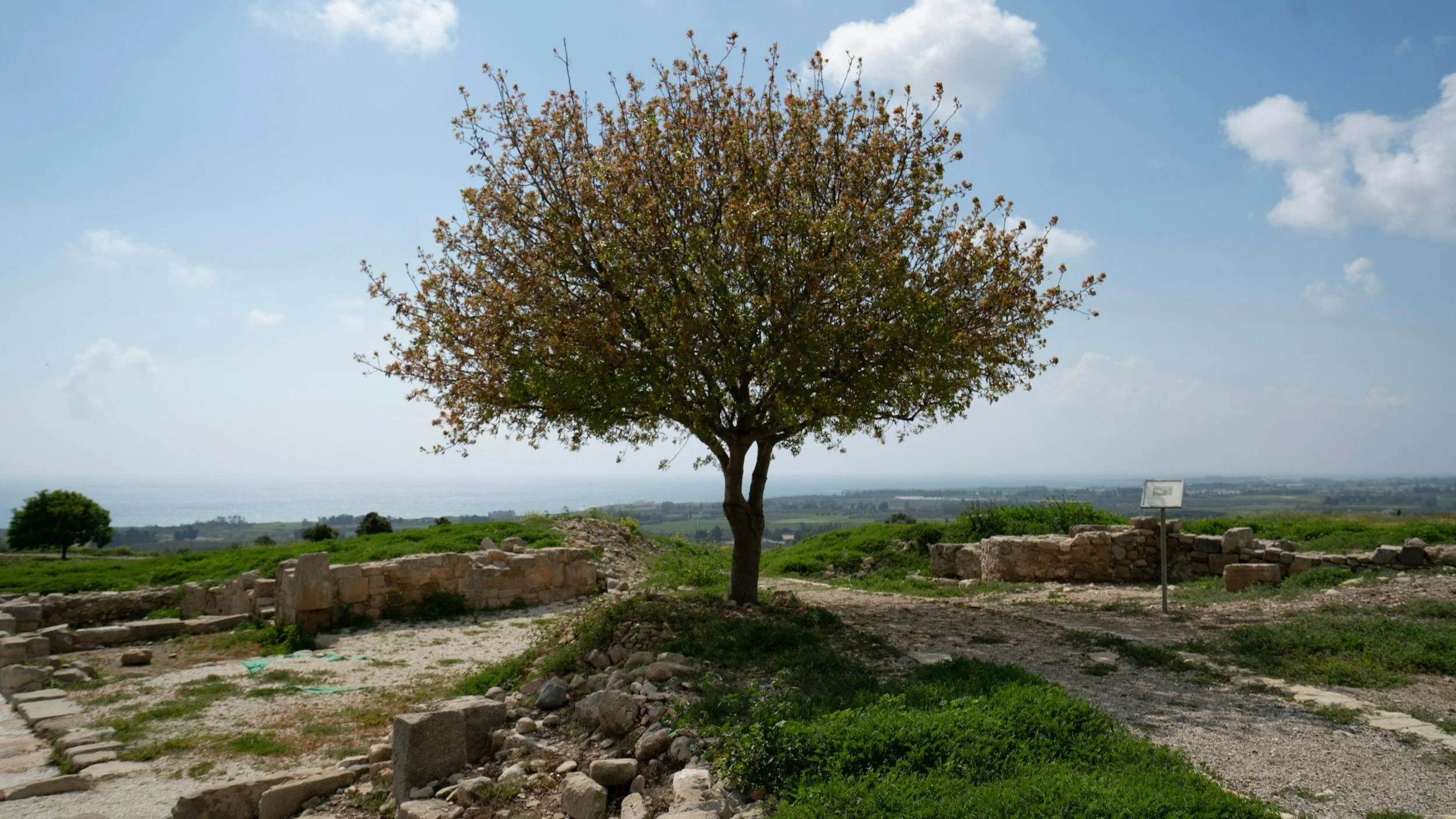
In the heart of Ashkelon National Park, overlooking the Mediterranean coast of southern Israel, lies one of the most puzzling archaeological discoveries ever found in the region — an ancient dog cemetery dating back to the Persian period, about 2,500 years ago.
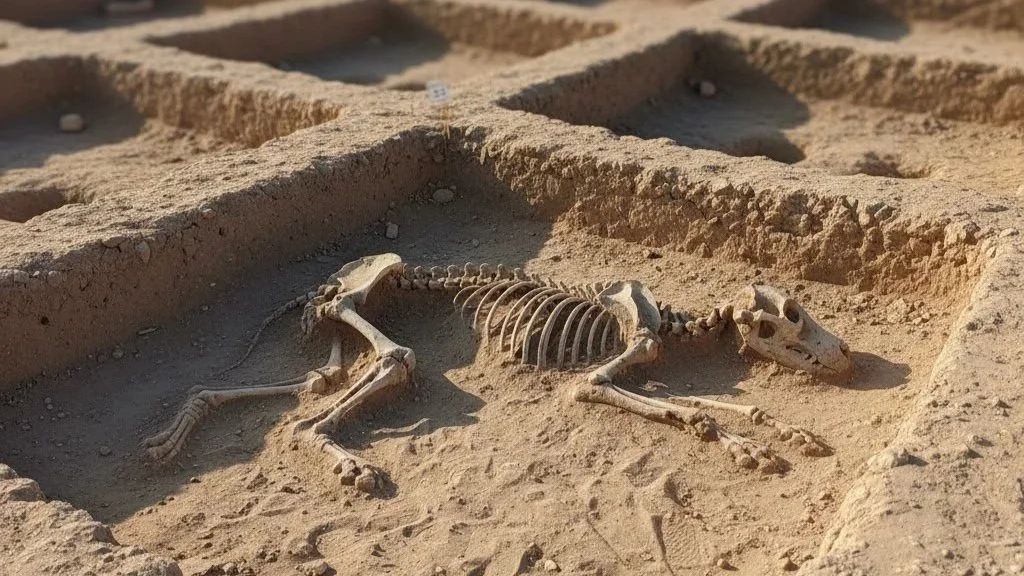
Unearthed unexpectedly in the 1980s during excavations led by the Leon Levy Expedition, this site contains the carefully buried remains of more than 1,400 dogs. The discovery immediately captured the attention of archaeologists and historians, not only for its scale but for the mystery that still surrounds it.
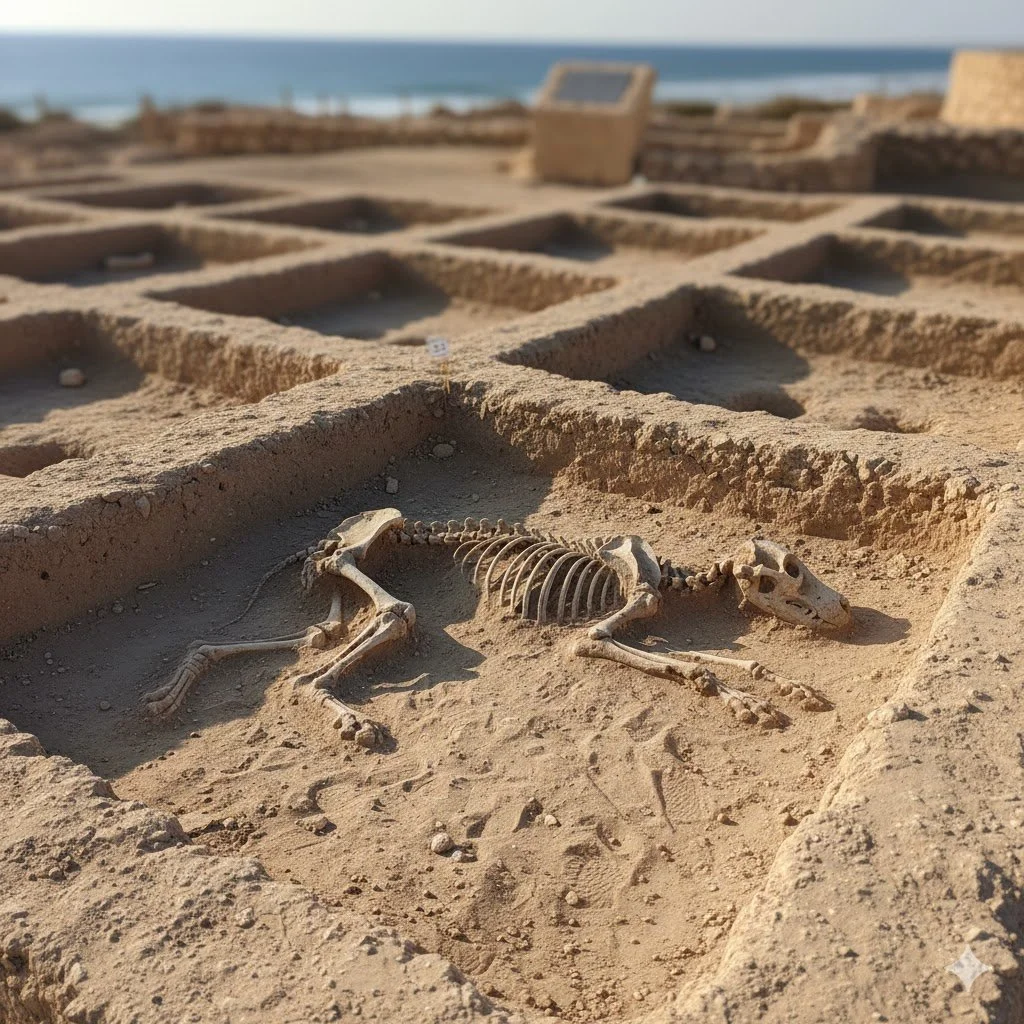
What makes the Ashkelon site so remarkable is the way the animals were buried. Each dog, many of them puppies, was laid to rest gently on its side, often in an individual shallow grave.
There were no signs of violence, sacrifice, or disease, and no accompanying grave goods. The consistent and respectful manner of burial suggests that these animals were treated with care and ritual significance, rather than discarded as refuse. Even after decades of research, experts remain divided over the meaning of this extraordinary find.
Some scholars believe the cemetery reflects a religious or spiritual practice unique to the Persian period. Ancient texts and iconography from this era often associated dogs with healing deities, particularly in the worship of gods like Gula, the Mesopotamian goddess of medicine and recovery.
If this interpretation is correct, the Ashkelon dogs might have served a sacred or symbolic role in rituals connected to health, protection, or purification — their burial marking the conclusion of their sacred service.
Another theory proposes a more practical explanation: that the dogs were part of the local community, perhaps street animals or guardians of households, temples, or medical facilities.
The mass burial may reflect a cultural or compassionate effort to afford animals a proper resting place after death, possibly tied to superstitious or legal mandates during Persian rule. The absence of evidence for mass illness rules out the possibility of a canine epidemic, adding another layer to the puzzle.
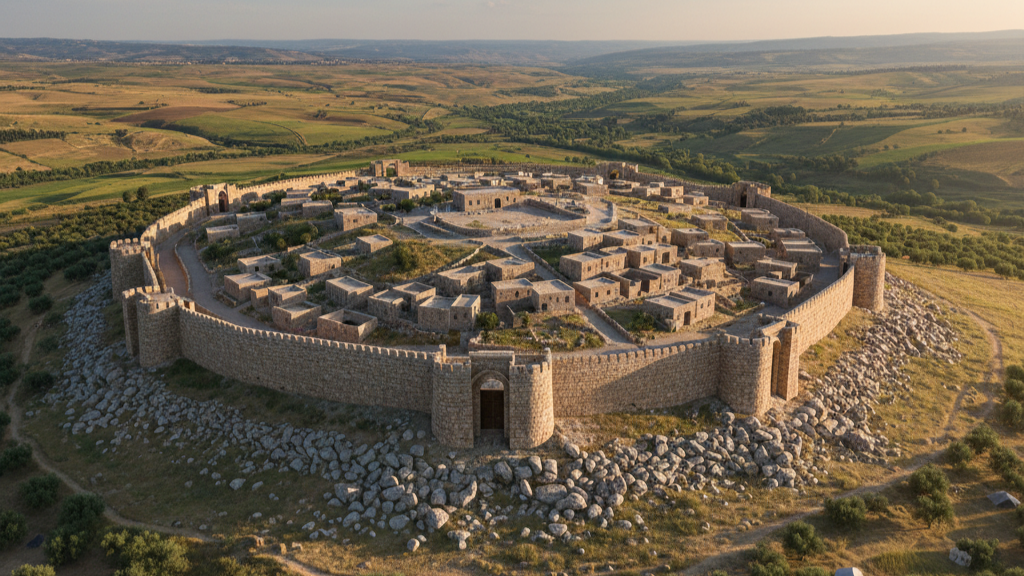
The archaeological context of the burial ground adds to its intrigue. During the 5th and 4th centuries BCE, Ashkelon was a thriving port city under Persian imperial control, bustling with trade and multicultural influences from Egypt, Phoenicia, and Mesopotamia.
The presence of a dog cemetery in such an urban and cosmopolitan setting suggests a deeper social or religious significance beyond ordinary pet ownership — one that perhaps blended local Canaanite traditions with broader Persian spiritual beliefs.
Today, visitors to Ashkelon National Park can stand on the same ground where this ancient mystery unfolded. While no visible remains of the dogs are left on display, the story of their discovery continues to echo through museum exhibits and archaeological literature.
For travelers drawn to the secrets of the past, the site embodies the essence of Ashkelon’s layered history — a place where commerce, culture, and faith once intertwined, leaving behind a silent testimony to humanity’s oldest companion and one of archaeology’s most haunting enigmas.
No ads, no commercials, just high-quality content.
If you find our work valuable, we would be grateful for your support. Your contribution helps us continue our mission of providing high-quality content and sharing it with an even wider audience. Support Our Mission