Biblical Roots of Silver Currency
Ancient Israel’s history is not only written in stone and scripture—it can be held in the palm of your hand. One of the most evocative artifacts from the country’s early economy is the “betsa kesef,” or piece of silver.
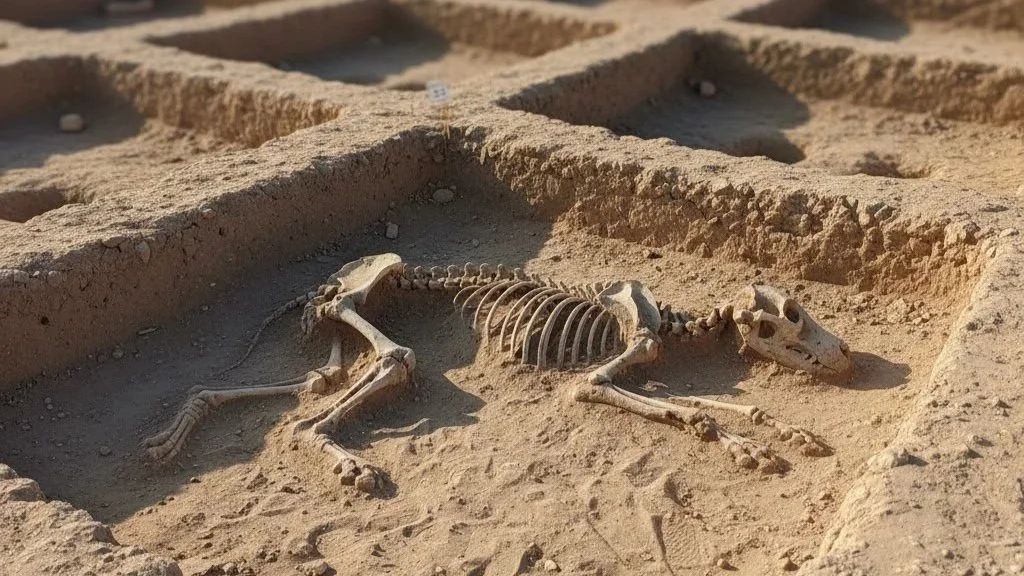
These small, unassuming silver chunks were vital for trade long before Israel’s first coins were minted. Archaeological finds at sites like Tel Shiloh and Gezer reveal that silver, not coinage, was the true standard of wealth and exchange across the region for centuries.
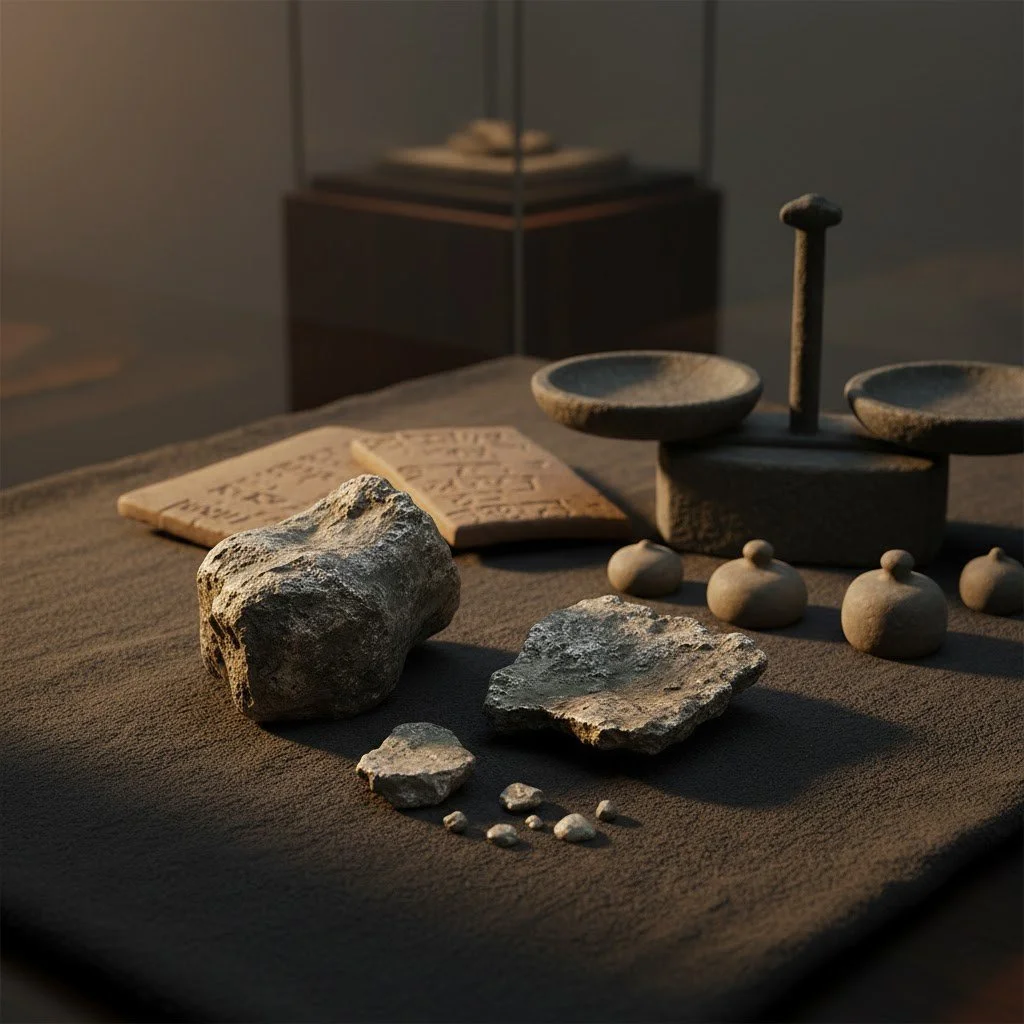
The use of silver as currency in Israel dates back over 3,600 years, earlier than in Egypt or Greece. Because the land of Israel has no natural silver deposits, every piece was imported—testament to ancient trade routes stretching to Anatolia and the Aegean.
Researchers analyzing hoards of these silver fragments have found weights carefully paired alongside them, highlighting a sophisticated system where value was determined by precise mass, not by royal decree or stamped image.
During the Iron Age, silver was divided into standardized weights known to many from Biblical texts. The “shekel” (around 11.3 grams), “beqa,” “pim,” “netzef,” and the “gerah” (approx. 0.58 grams) provided a universally accepted basis for both large and everyday dealings.
These units shaped how commerce was conducted, ensuring fairness and transparency even before coins simplified transactions. Some betsot kesef were crafted for everyday use, while others were cut from larger silver ingots on the spot—a flexible system that facilitated everything from land sales to food purchases.
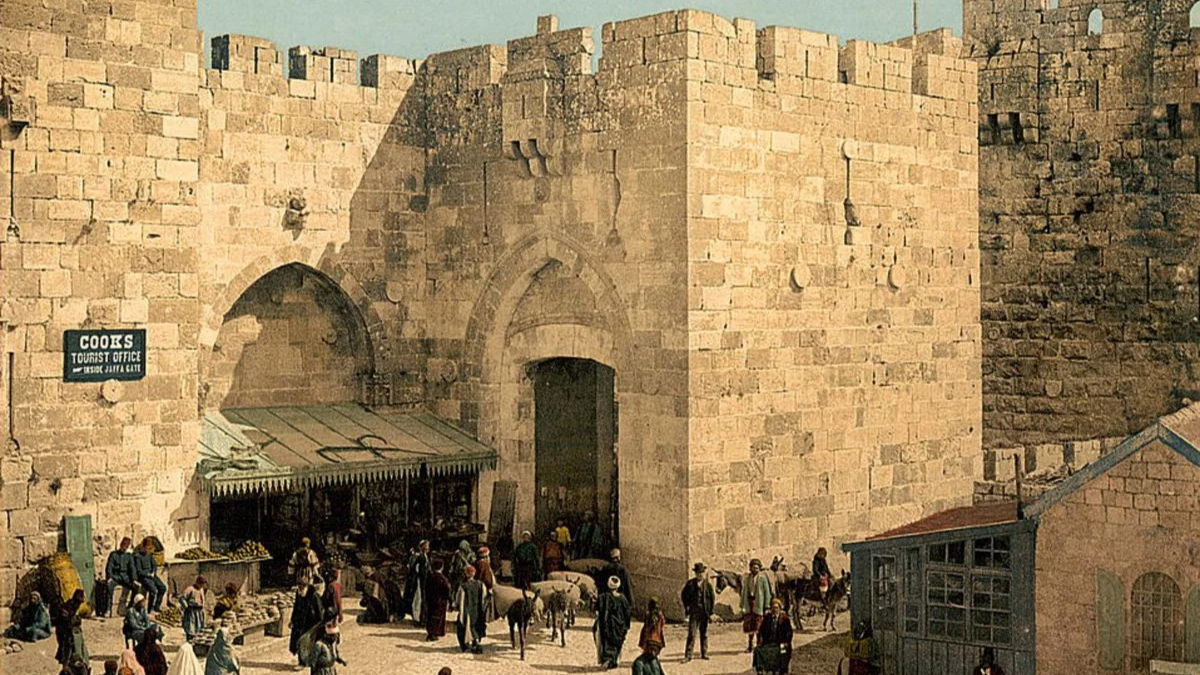
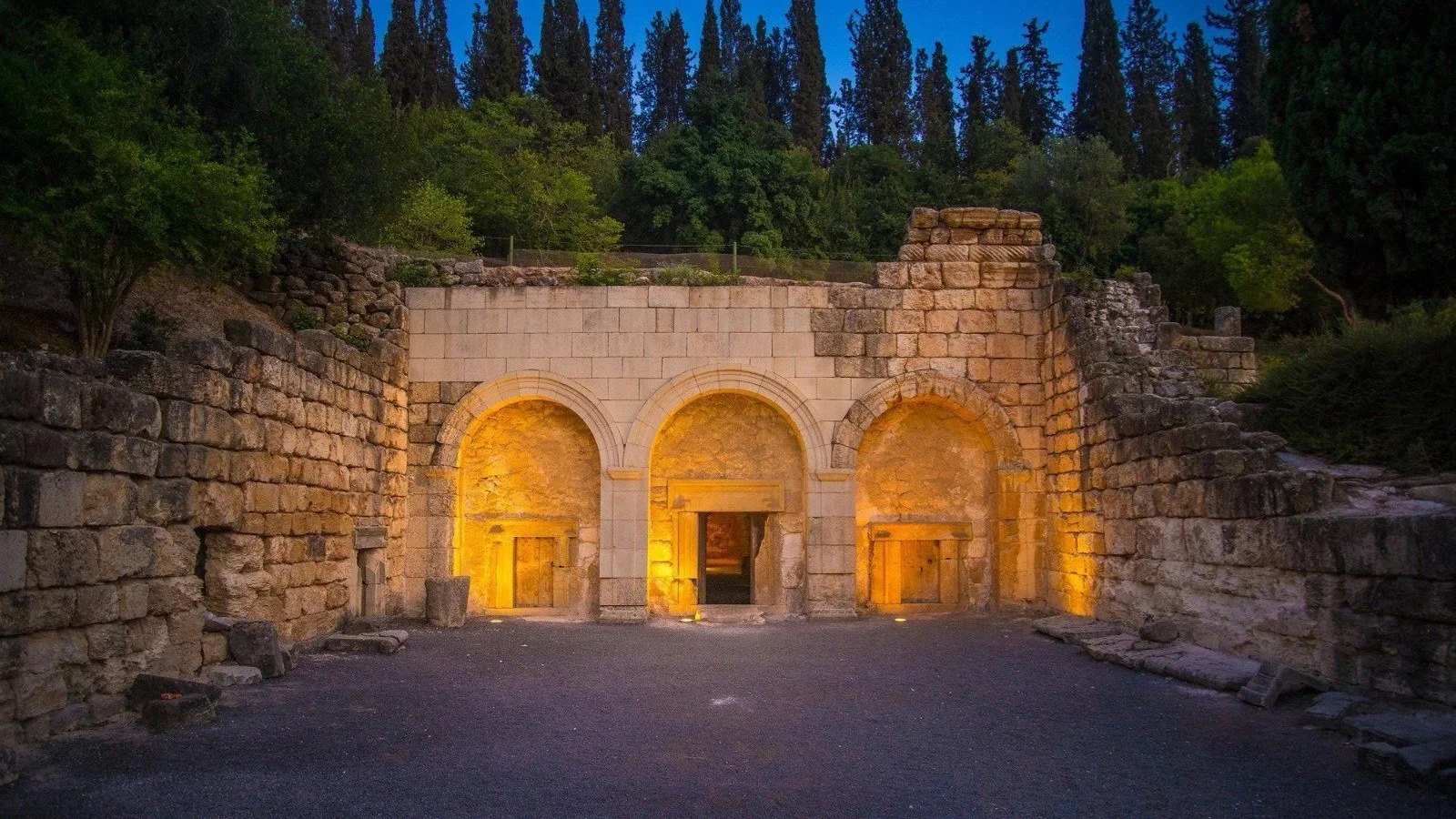
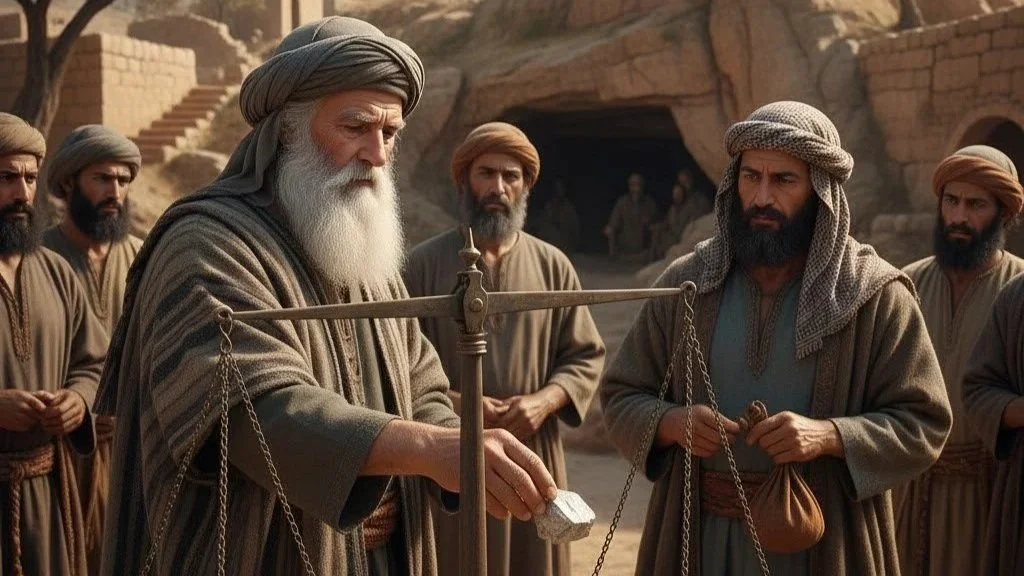
Biblical stories bring these ancient practices vividly to life. In Genesis, Abraham acquires the Cave of Machpelah by weighing out 400 shekels of silver, “current with the merchant.” This iconic scene isn’t just about Abraham’s faith or status; it’s a finely recorded economic transaction, echoing Mesopotamian and Canaanite methods for measuring value centuries before Greek coins. Such documentation, witnessed by elders at the city gate, ensured both legality and social legitimacy.
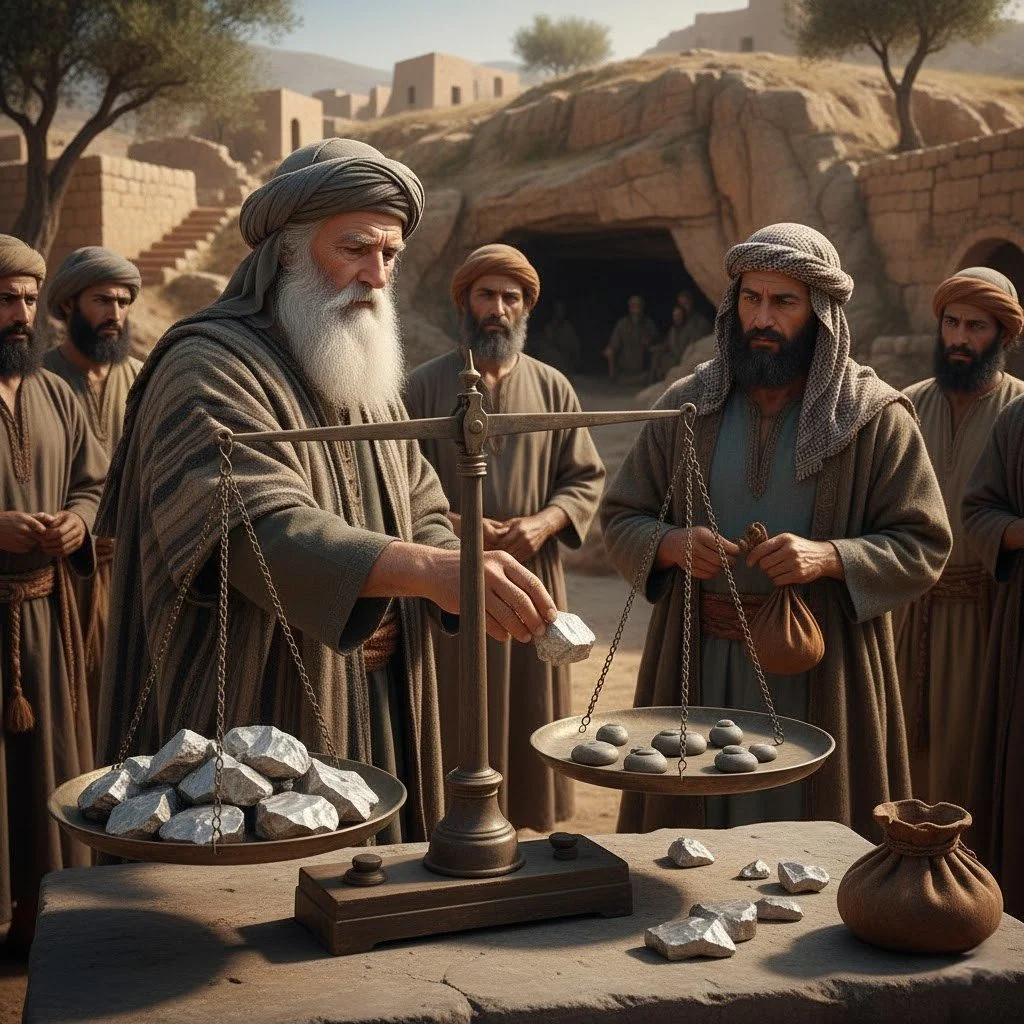
The term “betsa” itself appears in the Bible in both commercial and moral contexts. While “betsa kesef” refers straightforwardly to a piece of silver or a profit in trade, it also became shorthand for ill-gotten gain or bribery. The phrase “son’ei betsa” (haters of profit) in Exodus calls upon leaders to act with integrity, steering clear of corruption in both markets and courts. In this way, even language reflects the deep integration of silver into Israel’s ethical heritage.
Today, holding an ancient betsa kesef connects visitors directly to Israel’s economic roots and vibrant commerce. Museums across the country display these artifacts, each chunk offering a tangible link to a world where trust was measured by weight, not fiat, and every transaction was anchored in a system as old as Abraham himself. For travelers and history enthusiasts alike, the betsa kesef embodies both daily life and enduring values, shining light on the foundations of modern commerce in the Land of Israel.
No ads, no commercials, just high-quality content.
If you find our work valuable, we would be grateful for your support. Your contribution helps us continue our mission of providing high-quality content and sharing it with an even wider audience. Support Our Mission