Roman Entertainment at Caesarea Hippodrome
The Herodian hippodrome at Caesarea Maritima stands as one of the most visually impressive and historically significant ancient sites in Israel, drawing visitors from around the world to witness its breathtaking fusion of Roman architecture and coastal beauty.
Located along Mediterranean shore, this vast sporting stadium was built by King Herod the Great in 10/9 BCE for the inauguration of his new city, Caesarea Maritima, which would become a center of Roman culture and governance in the province of Judaea. The hippodrome stretched between the Herodian harbor and the grand Roman theatre, running parallel to the sea, with rows of seats that once accommodated an estimated 15,000 spectators.
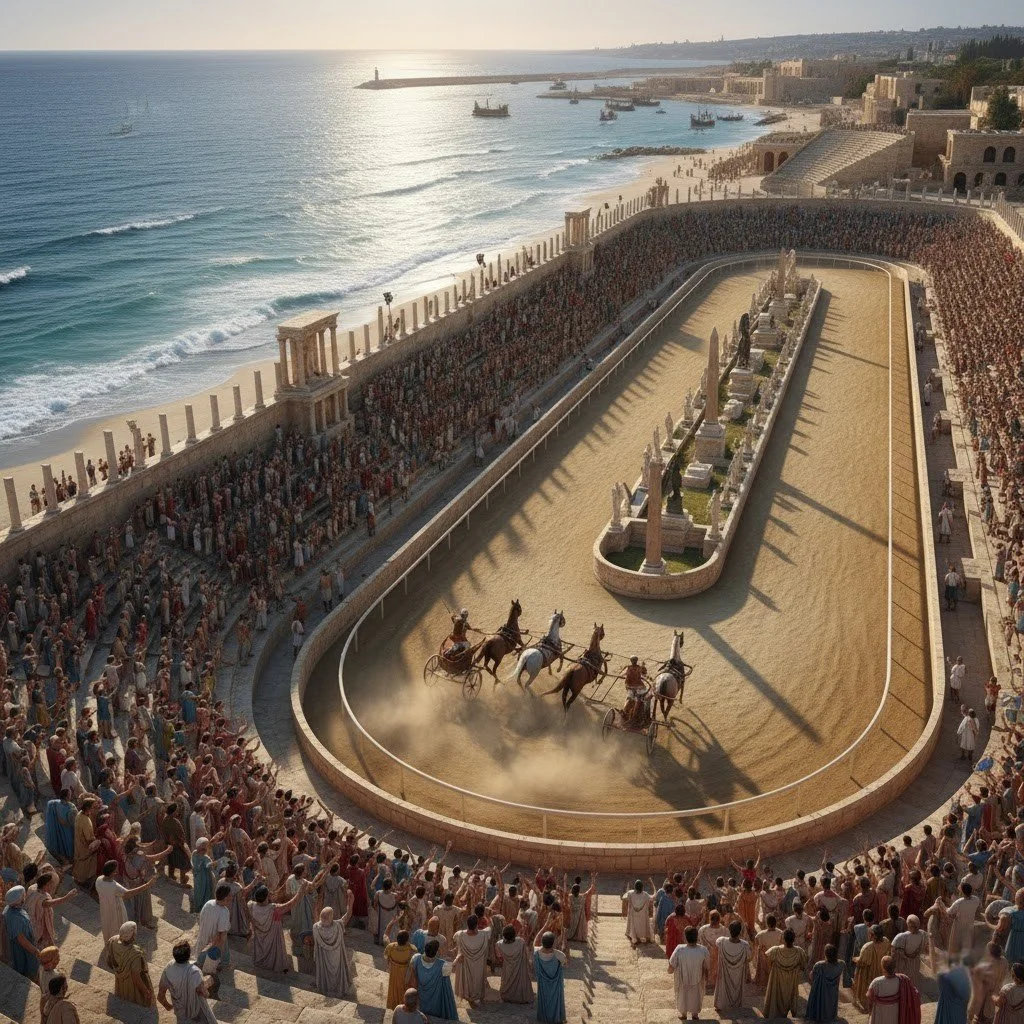
Herod’s vision for Caesarea was inspired by his admiration for Roman engineering and imperial grandeur. To mark the city’s dedication, he commissioned the construction of the hippodrome as a signature building where citizens and dignitaries could enjoy horse and chariot races, athletic contests, gladiatorial combat, and elaborate public festivals.
The stadium measured approximately 400 meters long and 50 meters wide, with stone seating encircling the sandy racing track—spectators were treated not only to spectacular sporting events but also to the majestic view of the Mediterranean waves crashing just beyond the stadium.
As Caesarea grew to become the Roman provincial capital, the hippodrome was the epicenter of communal life and entertainment. Every four years, the city hosted major sports competitions and games celebrated in Roman tradition, while the nearby harbor welcomed traders and ships from across the empire.
Over time, the southern section of the hippodrome was converted into an amphitheater for gladiatorial games and hunting spectacles, echoing the shifting tastes and customs of the Roman populace. Ancient sources mention that Jewish and later Christian prisoners were often forced to fight for their lives in the arena—a dark testament to the complexities of Caesarea’s history as a melting pot of cultures and faiths.
Visitors today can explore the restored ruins of the hippodrome, with its elegantly curved seating and remnants of the racetrack offering a vivid sense of scale and spectacle. The proximity to the Roman theatre and Herodian harbor reveals how thoughtfully Herod designed his city: every building harmonized with the coastal landscape and reflected Rome’s pursuit of innovation and civic pride. Archaeological excavations continue to uncover fascinating details, from unique construction techniques to inscriptions and artifacts illuminating daily life in Roman Judaea.
A visit to Caesarea Maritima’s hippodrome isn’t simply a walk among ancient stones—it’s an invitation to imagine the voices and stories of thousands who gathered to watch the drama of the ancient world unfold, with the timeless backdrop of the Mediterranean Sea.
For history enthusiasts, archaeology lovers, and cultural travelers, this iconic stadium offers an unforgettable glimpse into the heart and soul of Roman-era Israel, where sport and spectacle merged with the sea’s everlasting allure, and where every view connects past legends to today’s explorers.
Caesarea Maritima is located on Israel’s Mediterranean coast, roughly halfway between Tel Aviv and Haifa, making it easily accessible by road for most visitors.
You can reach the site by car via the main coastal highway (Road 2), with parking available at Caesarea National Park. For travelers using public transit, take the train or inter-city buses to Or Akiva, then a short taxi ride or a brief walk west to the archaeological park. Many tourists prefer joining organized tours from Tel Aviv, Jerusalem, or Haifa, which often include expert guides and additional stops at coastal highlights.
Upon arrival, visitors enter Caesarea National Park—a captivating blend of ancient ruins, scenic beaches, and modern amenities. The main attractions include the magnificently restored Roman theatre, Herod’s palace, the famous hippodrome, and the remnants of the Crusader fortress.
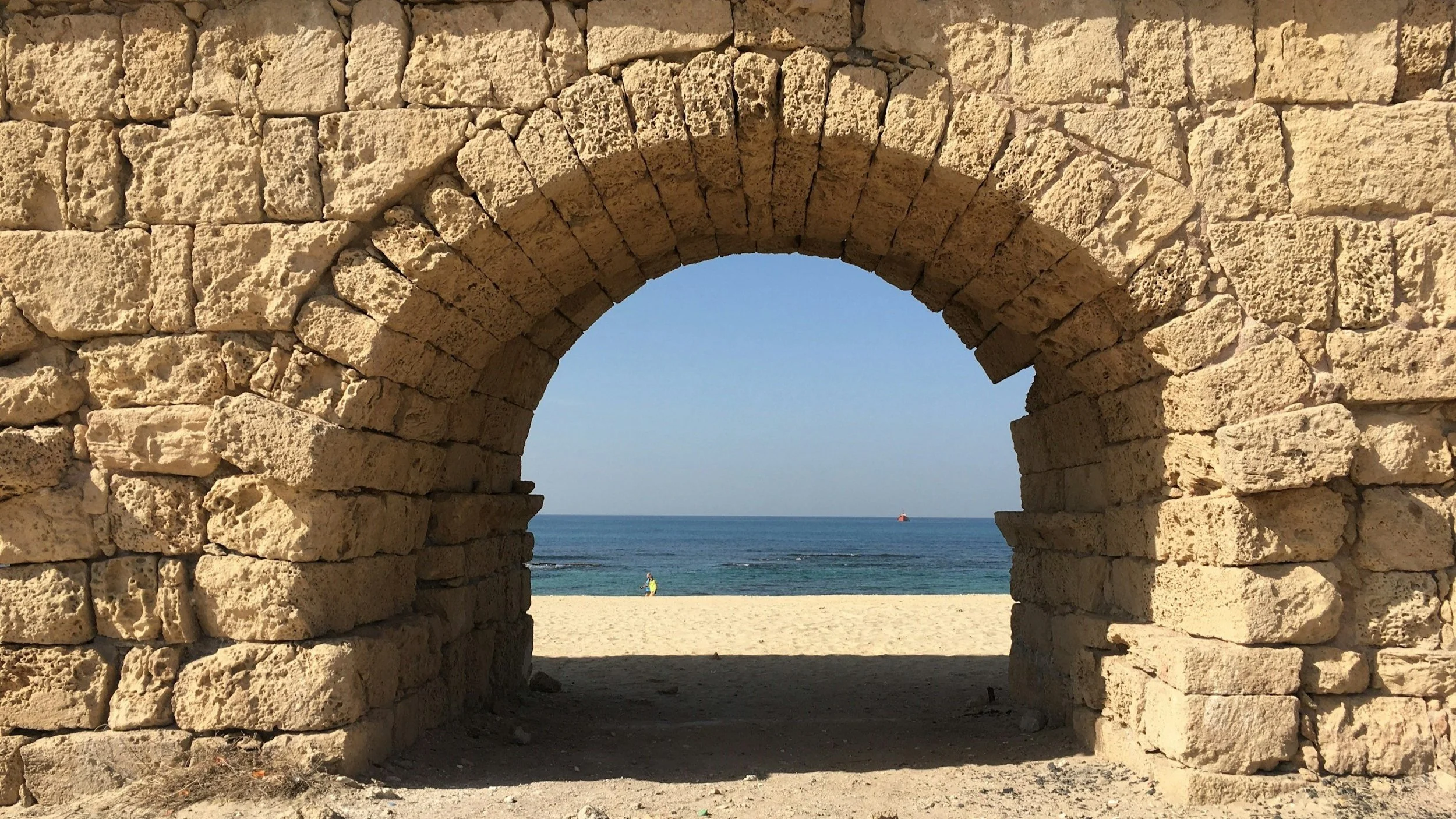
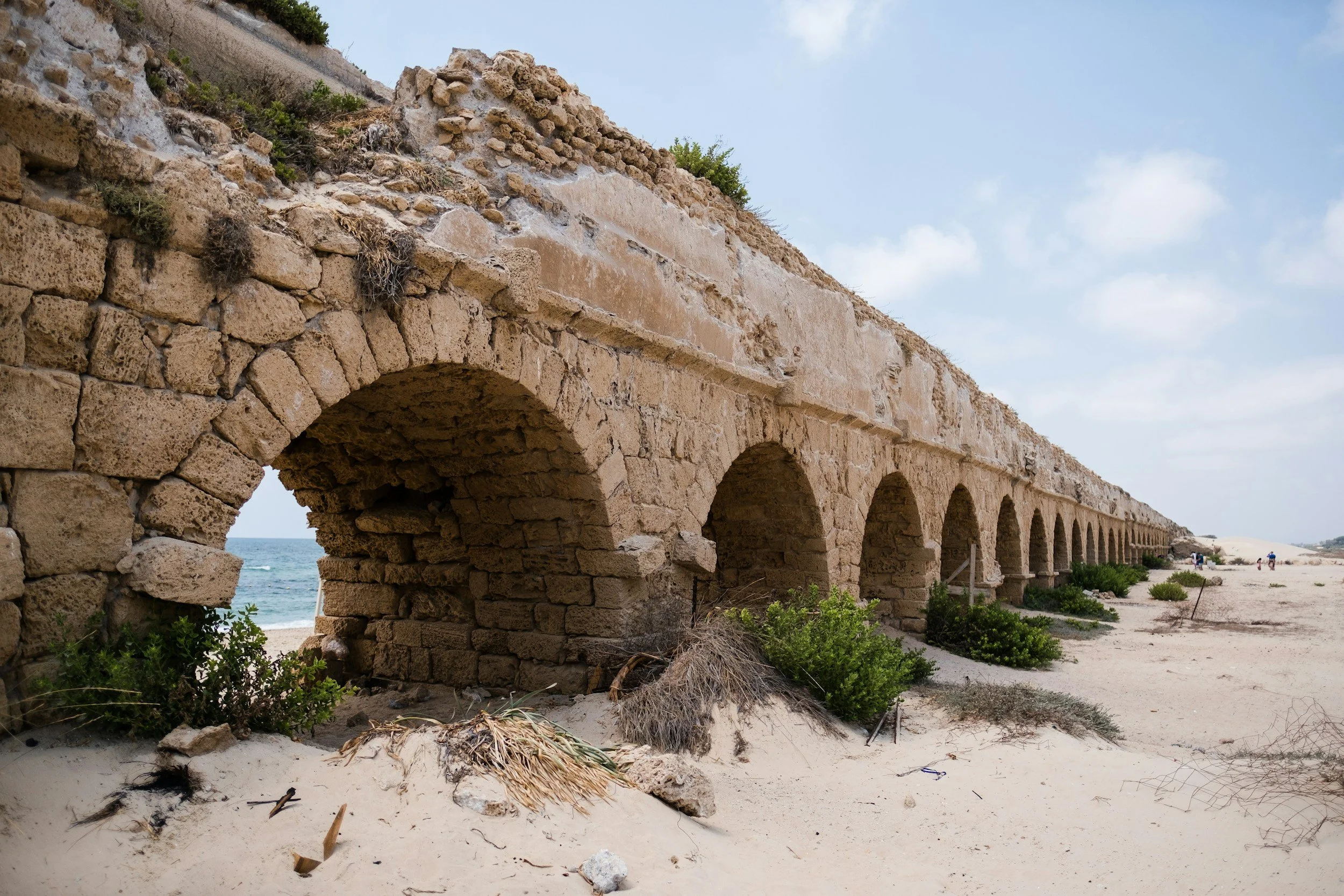
You’ll wander through the impressive Herodian harbor (once considered an engineering marvel of its time), marvel at the aqueduct, and explore museum exhibits filled with artifacts and multimedia presentations on the city’s rich history.
Expect a half-day visit filled with archaeological wonders and Mediterranean scenery. During the summer months, you might even catch an open-air concert in the ancient amphitheater.
The picturesque harbor area features inviting restaurants and boutique shops, perfect for enjoying a sunset meal or coffee with sea views. For those interested in beaches, Caesarea’s Aqueduct Beach is popular for its unique setting beside ancient Roman ruins. The site is family-friendly, offers good facilities, and is considered one of Israel’s top destinations for history and archaeology enthusiasts.
No ads, no commercials, just high-quality content.
If you find our work valuable, we would be grateful for your support. Your contribution helps us continue our mission of providing high-quality content and sharing it with an even wider audience. Support Our Mission