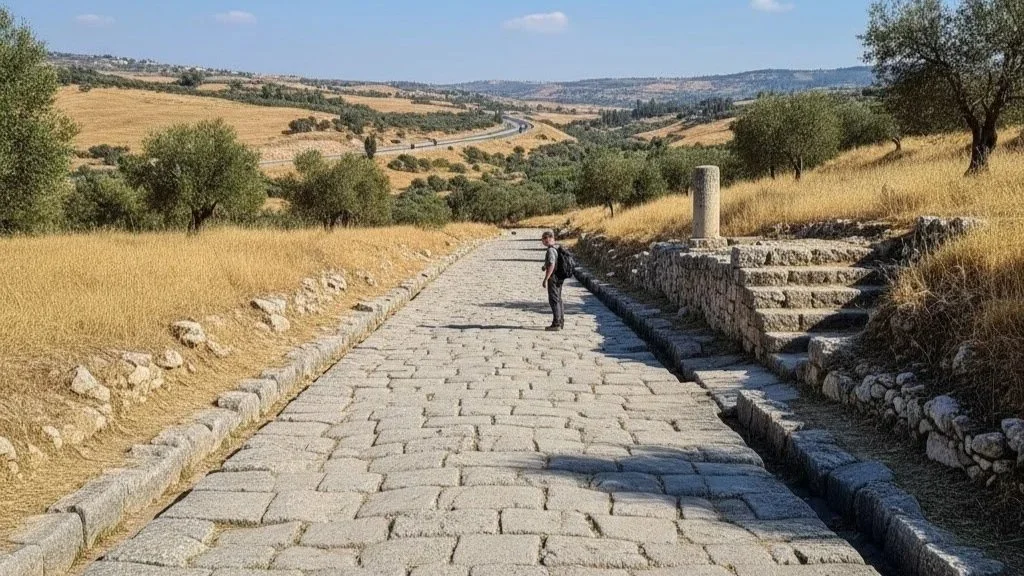
City of David - Jerusalem’s Biblical Tunnel
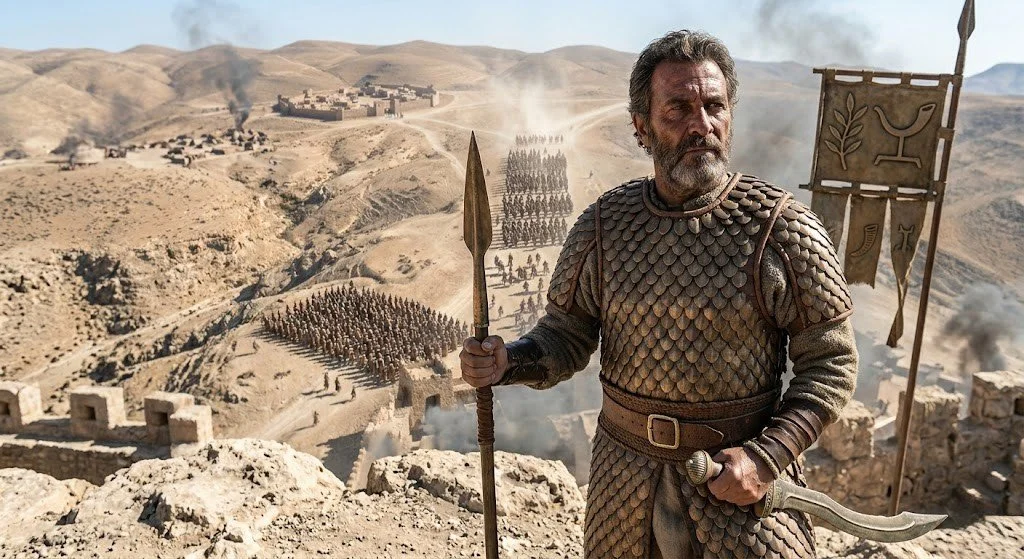
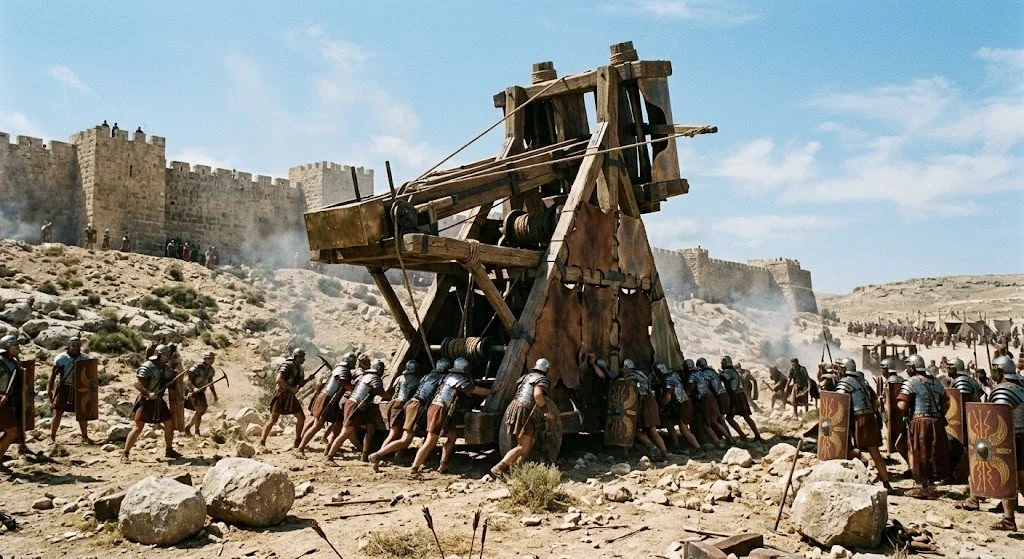
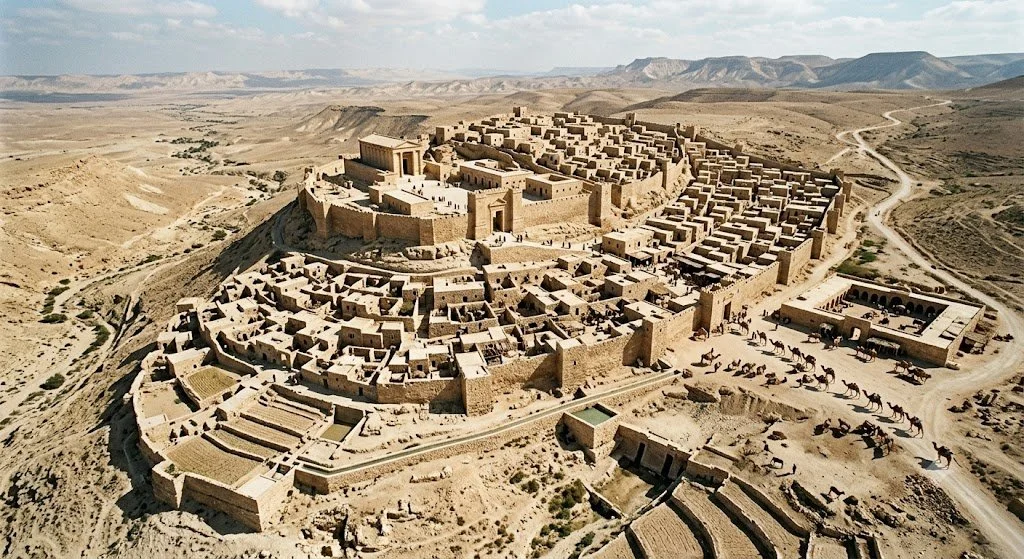
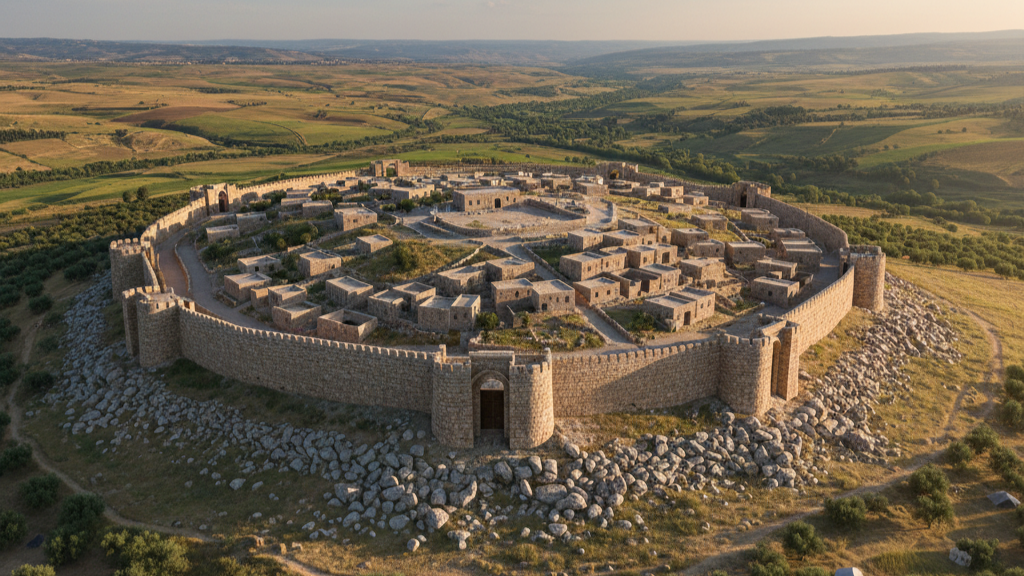
The Tunnel of Hezekiah—also known as the Siloam Tunnel—stands today as one of ancient Jerusalem’s most remarkable archaeological treasures, inviting travelers and history enthusiasts to connect with a dramatic chapter of biblical heritage. Situated beneath the historic City of David, the tunnel dates to the late eighth century BCE, during the reign of King Hezekiah, who faced the looming threat of invasion from the powerful Assyrian Empire.
Determined to safeguard Jerusalem’s future, Hezekiah ordered the diversion of the city’s sole water source—the Gihon Spring—directly into the fortified urban heart, laying the groundwork for an engineering solution with enduring impact
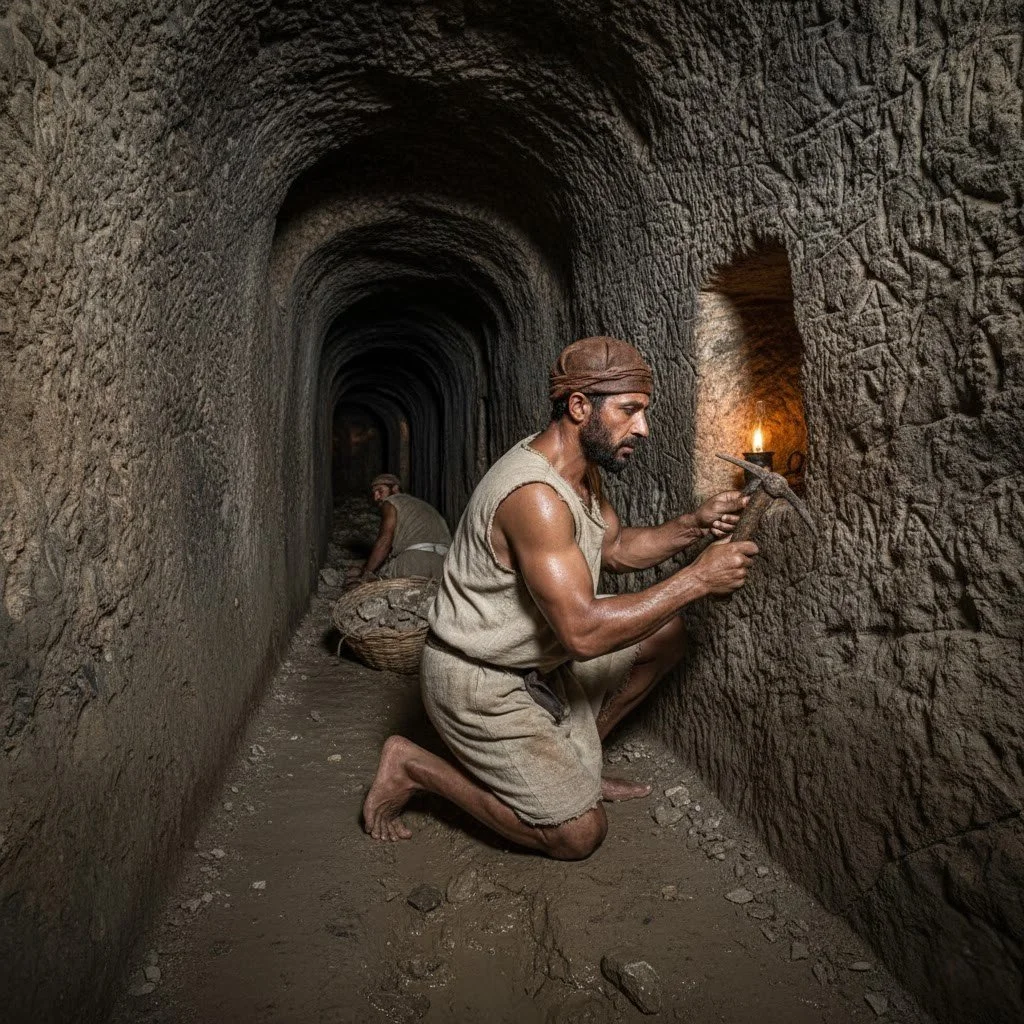
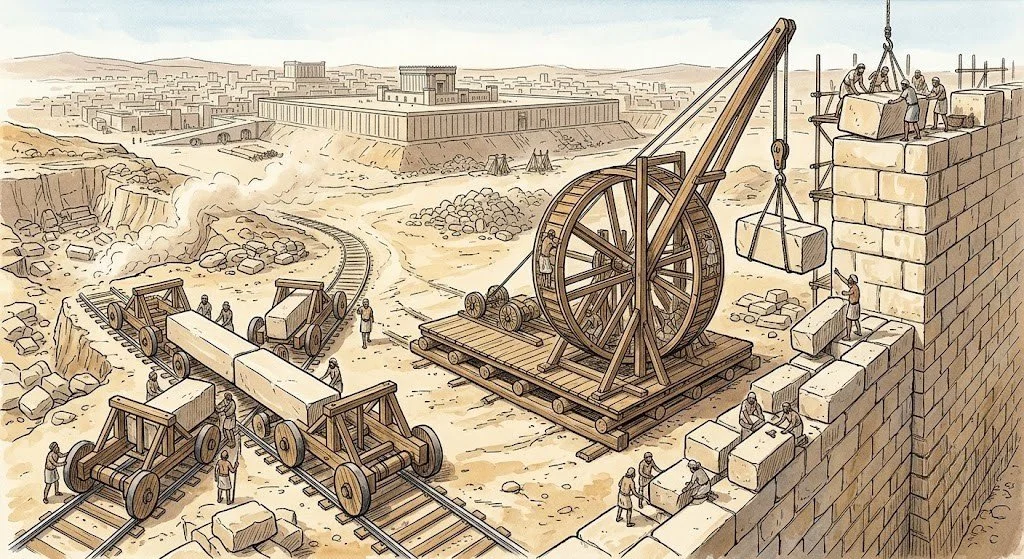
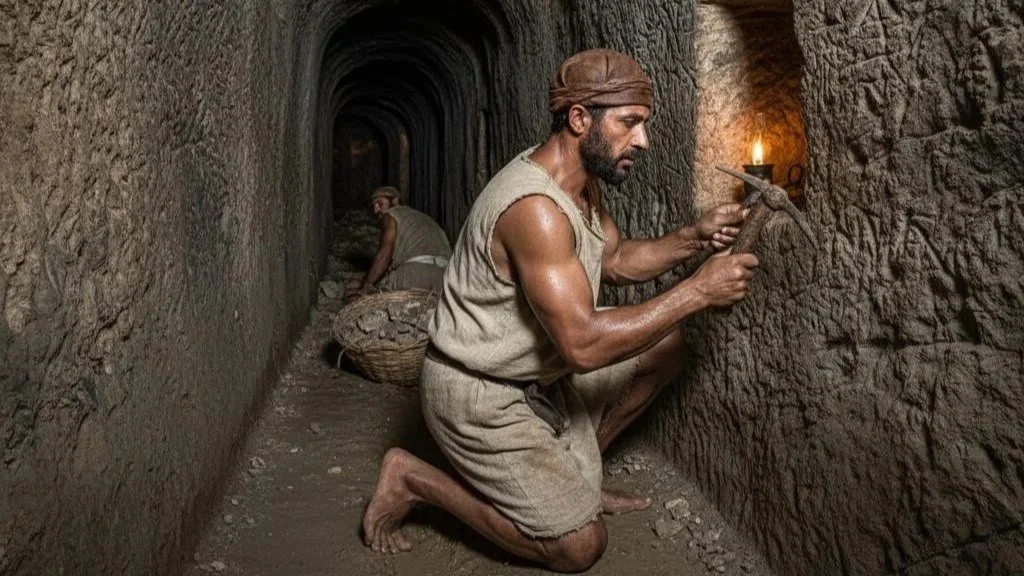
Spanning approximately 533 meters (1,749 feet), the tunnel was hewn meticulously through solid limestone using only hand tools—an astonishing accomplishment for its time. What makes Hezekiah’s Tunnel truly extraordinary is the story of its creation: workers began excavating from opposite ends, navigating the unforgiving subterranean rock despite lacking the benefit of modern surveying technology.
Ancient accounts and archaeological evidence suggest that the teams likely relied on sound signals and close coordination above ground to guide their progress, resulting in a winding passage that ultimately converged precisely in the middle. This rare feat demonstrates the ingenuity and determination of Jerusalem’s inhabitants during a harrowing era.
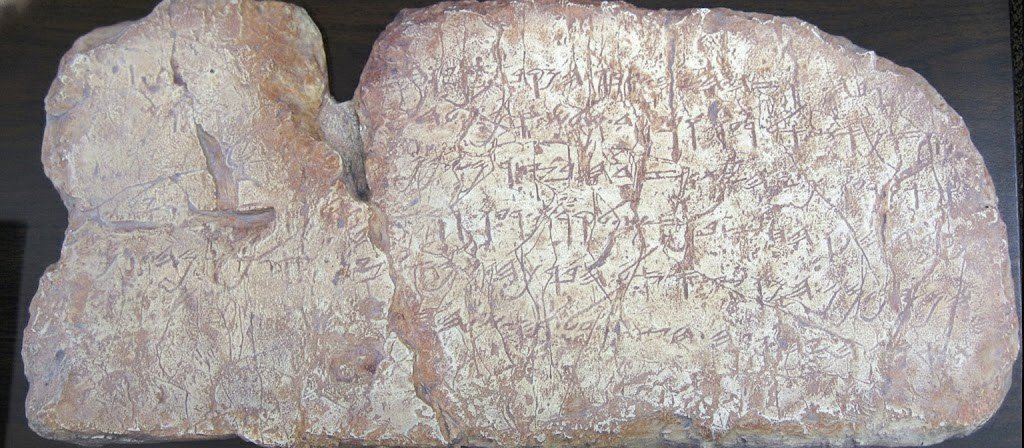
An invaluable historical record—the Siloam Inscription—was discovered within the tunnel in the late nineteenth century, offering a firsthand account of the moment the two digging teams met. The inscription, written in ancient Hebrew script, gives visitors powerful insight into both the technical challenge of the enterprise and the sense of triumph that resonated when the barrier was finally breached.
While the inscription does not explicitly mention King Hezekiah by name, biblical passages from 2 Chronicles and 2 Kings leave little doubt about the project’s origins and its association with the Assyrian siege.
For King Hezekiah and the people of Jerusalem, the tunnel was more than an engineering milestone—it was a vital instrument of survival. By channeling the waters of the Gihon Spring into the Pool of Siloam within the city walls, Hezekiah ensured that his citizens would not be cut off or forced into surrender due to thirst if the enemy surrounded them.
The tunnel’s design deprived would-be besiegers of access to water—a strategic advantage in a region where every drop counted during times of conflict. Around its entrances, you can still find remnants of ancient defenses and evidence of city-wide coordination, reflecting how deeply integrated such innovations were within Jerusalem’s survival strategy.
Over centuries, Hezekiah’s Tunnel fell into obscurity, concealed beneath layers of urban development and historical change. Rediscovered in the nineteenth century, it quickly became both a subject of scholarly fascination and a popular visitor destination, offering an immersive archaeological experience for those willing to wade through its cool, narrow waters.
Today, the tunnel not only provides a physical link to biblical history but also sheds light on the deeper cultural story of Jerusalem—a crossroads of faith, ingenuity, and resilience.
Travelers visiting Israel can still walk the length of Hezekiah’s Tunnel, retracing the steps of ancient engineers and imagining the tumult that once gripped Jerusalem’s walls.
Its preservation and accessibility reflect the ongoing commitment of Israeli cultural institutions and tourism organizations to celebrate the city’s heritage. The tunnel’s legacy is not just one of architectural achievement, but also of hope—a testament to how ancient ingenuity helped shape the destiny of a city.
A guided tour of Hezekiah’s Tunnel offers visitors a direct look at ancient Jerusalem’s water system and engineering history. The tour begins at the City of David visitor center, which has ticketing, restrooms, and places to pick up essentials like flashlights or water shoes.
Guides explain the tunnel’s background, share stories of King Hezekiah, and describe how the tunnel was built by hand more than 2,700 years ago.
Groups move through historic areas like Warren’s Shaft and the Spring Citadel before reaching the tunnel entrance. The path inside Hezekiah’s Tunnel is narrow and the water can get ankle to knee deep, so waterproof shoes or sandals are recommended.
Some sections require stooping due to a low ceiling, and flashlights are useful since it is dark for most of the route. The walk takes about 30 minutes, with guides highlighting archaeological features, inscriptions, and sharing tips on taking photos in the dim light.
The tour wraps up at the Pool of Siloam, where you’ll find bathrooms and shuttle services back to the visitor center. Be sure to bring a change of clothes and a waterproof bag for gear.
No ads, no commercials, just high-quality content.
If you find our work valuable, we would be grateful for your support. Your contribution helps us continue our mission of providing high-quality content and sharing it with an even wider audience. Support Our Mission