Gezer Calendar: Ancient Israel’s Agricultural Legacy
The Gezer Calendar is one of the most remarkable archaeological finds in Israel, shedding light on daily life and seasonal rhythms of the ancient land nearly three millennia ago.
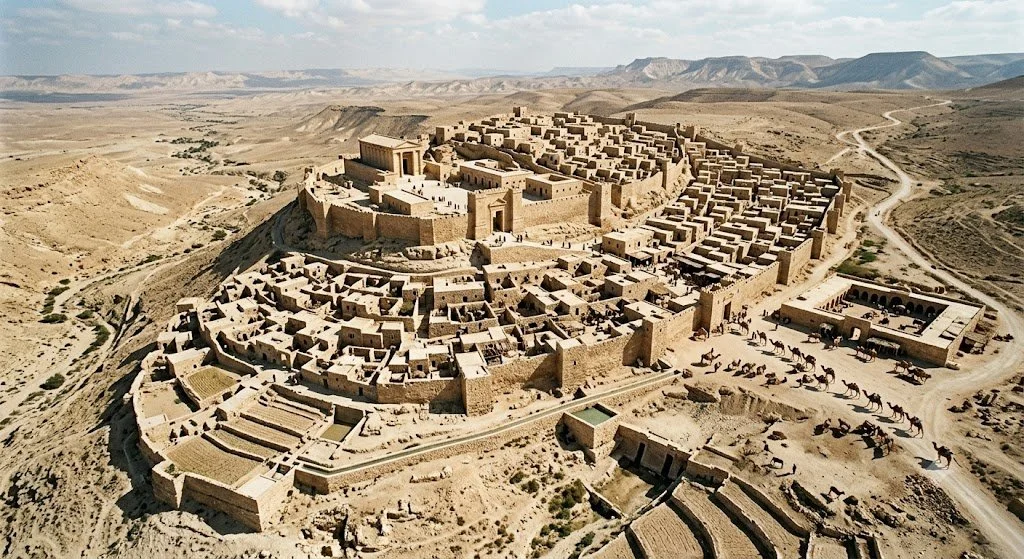
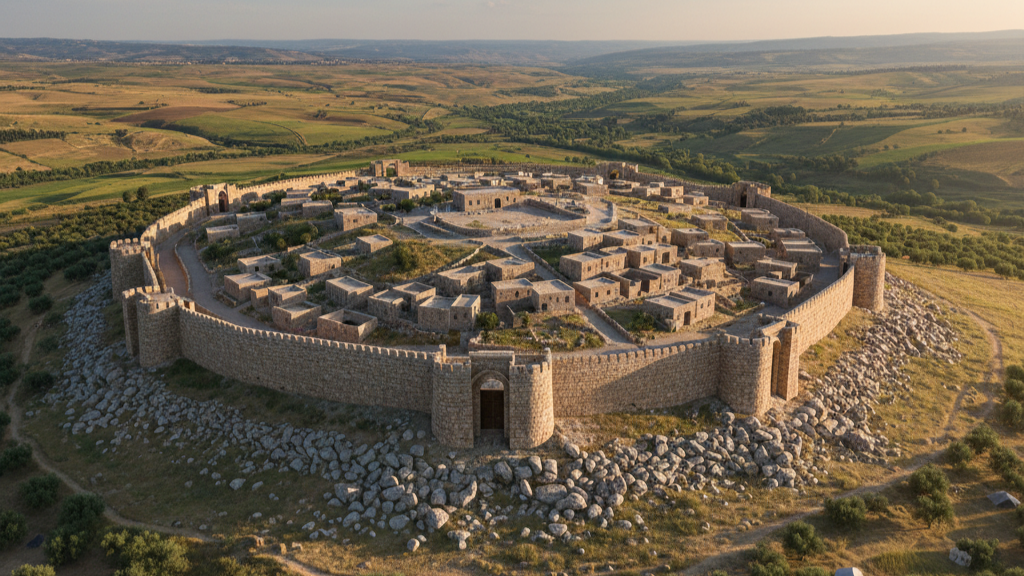
Uncovered in 1908 by the British archaeologist R.A.S. Macalister at Tel Gezer, this small limestone tablet is inscribed with an early Hebrew script and dates back to the 10th century BCE—around the era of King Solomon. Today, visitors can see the historic mound at Tel Gezer National Park, located midway between Jerusalem and Tel Aviv, where multiple archaeological expeditions have discovered layers of history built by ancient Canaanites, Israelites, and later civilizations.
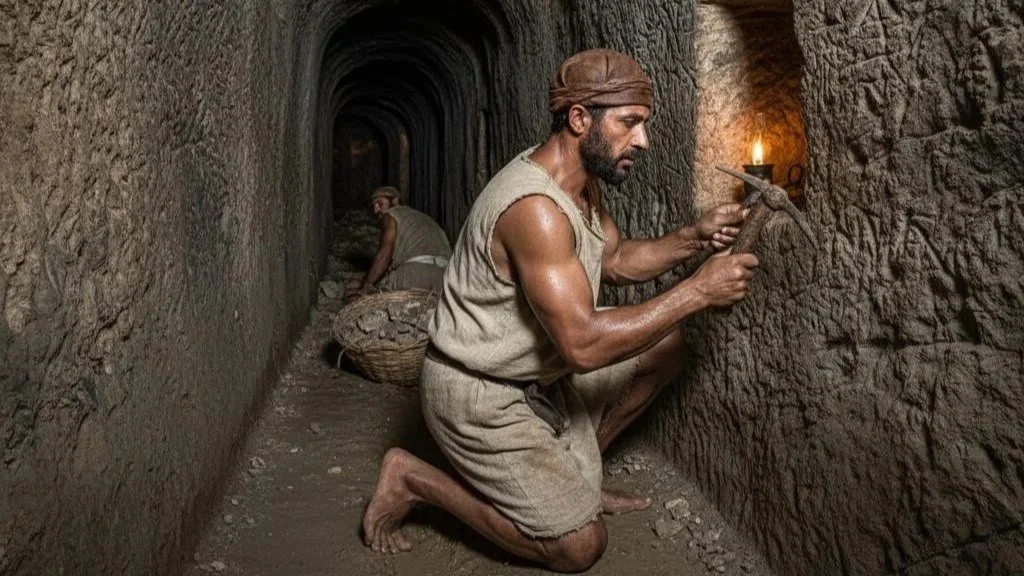
Unlike formal state calendars, the Gezer Calendar records the agricultural work completed each month—ploughing, sowing, harvesting, and fruit gathering—rather than mentioning ritual dates or official holidays.
The repeated use of the words “month” (ירח) and “its month” (ירחו) highlights its role as a practical almanac, possibly used as a memory aid for a farmer, scribe, or student. This framing offers a vivid glimpse of ancient Israel’s economic and cultural priorities, showing how seasonal cycles shaped every aspect of life from planting to festival celebrations.
A particularly insightful detail is the calendar’s reference to the “ingathering” in the first month, matching the timeline of the biblical Sukkot festival—also called Hag HaAsif—when produce was collected after the main harvest.
Biblical verses such as Exodus 23 and Leviticus 23 describe the “Festival of Ingathering” as a celebration at year’s end: “At the end of the year, when you gather in your crops from the field … On the fifteenth day of the seventh month, when you have gathered the produce of the land, celebrate the Lord’s festival for seven days.” The agricultural focus of the calendar mirrors these traditions, highlighting deep connections between farming and faith in ancient Israel.
For centuries, scholars believed that Tishrei (fall) was established as the start of the Jewish calendar only during the exile to Babylon, with earlier traditions marking Nisan (spring) as the new year and Sukkot as a seventh-month festival.
The Gezer Calendar challenges this view. It suggests that in ancient Israel, parallel customs existed: some regarded spring as the year’s beginning, others celebrated its start in autumn. This diversity is a testament to the flexibility and richness of Israel’s historical traditions.
The discovery of the Gezer Calendar highlights Israel's reputation as a crossroads of civilizations and traditions, where changing rulers and cultures left behind invaluable artifacts that speak to continuity and change.
It invites modern travelers, history lovers, and archaeology fans to see Israel not just as a land of ancient ruins, but as a place where the rhythm of the year, festivals, and agricultural cycles once formed the heartbeat of community life.
Exploring Tel Gezer offers visitors the chance to walk through layers of history, from the Canaanite city through biblical times and beyond. The Gezer Calendar’s agricultural poem remains a lasting link between past and present, reminding us how deeply history is woven into the landscape—and how connections between nature, work, and faith endure across generations.
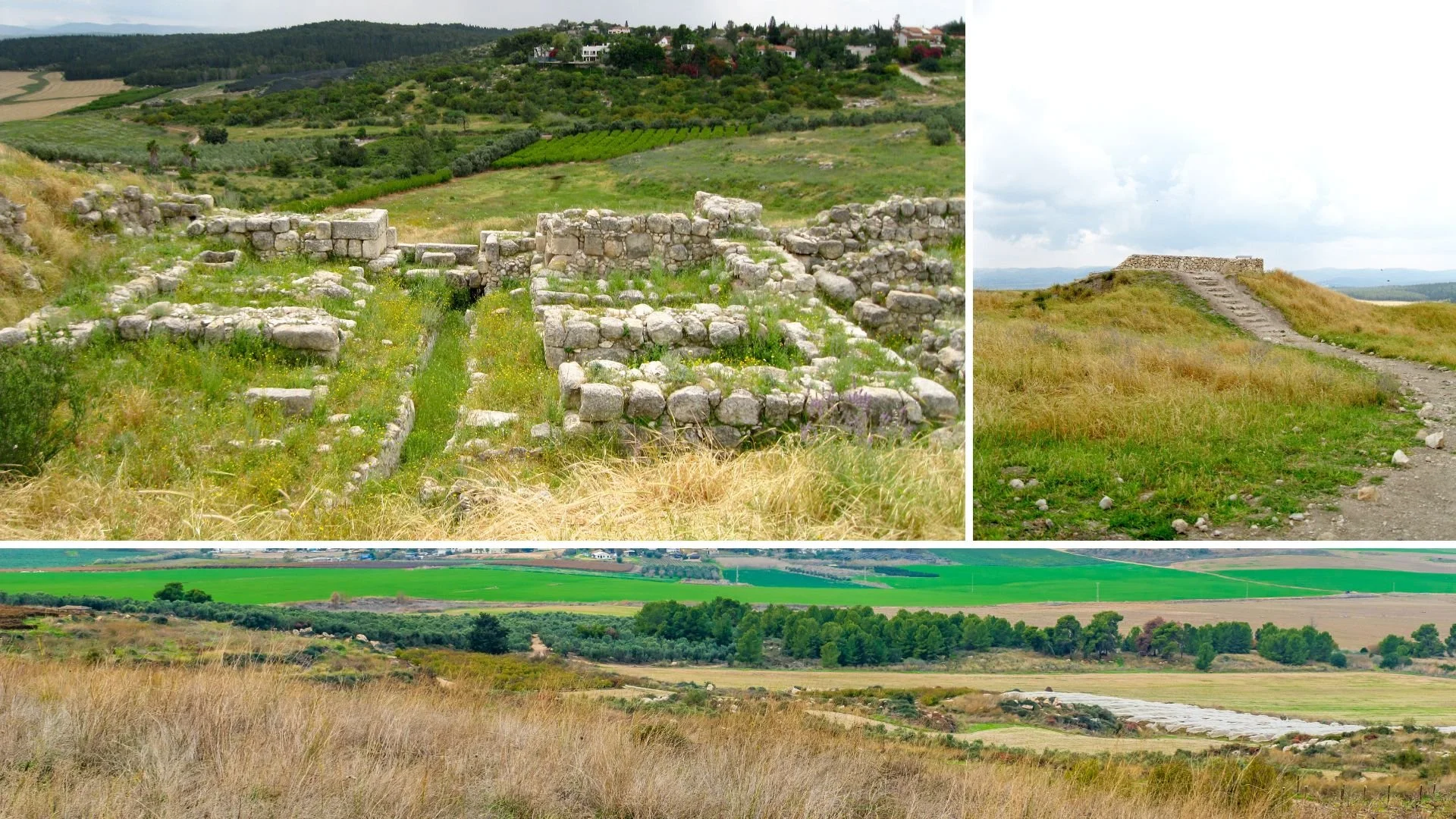
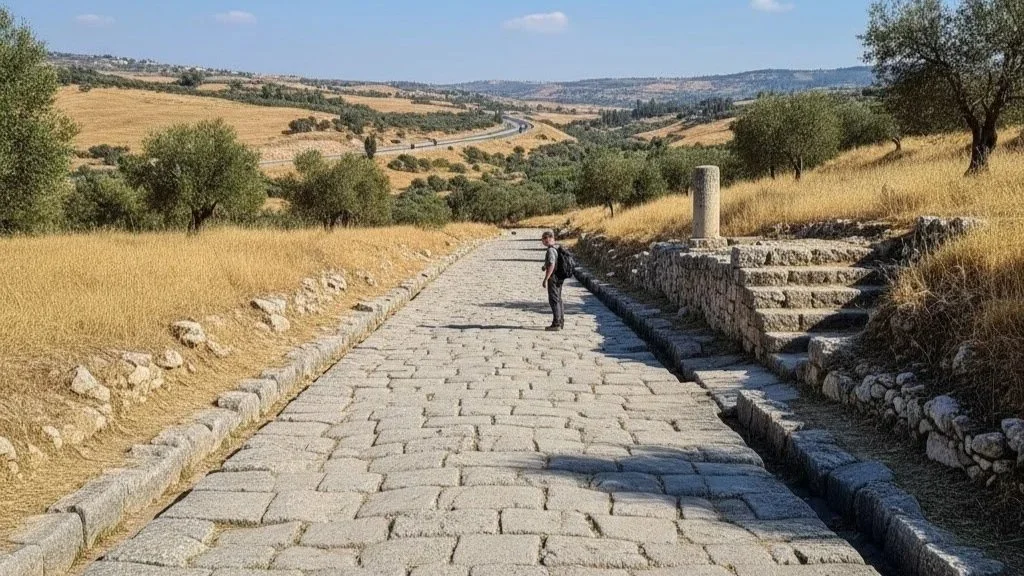
Getting to Tel Gezer National Park is straightforward and rewarding for any traveler interested in history and archaeology. The site sits between Tel Aviv and Jerusalem on the western slopes of the Judean hills, making it an easy day trip by car. Simply follow Route 44 and look for signs toward Carmei Yosef; free parking is available near the park entrance.
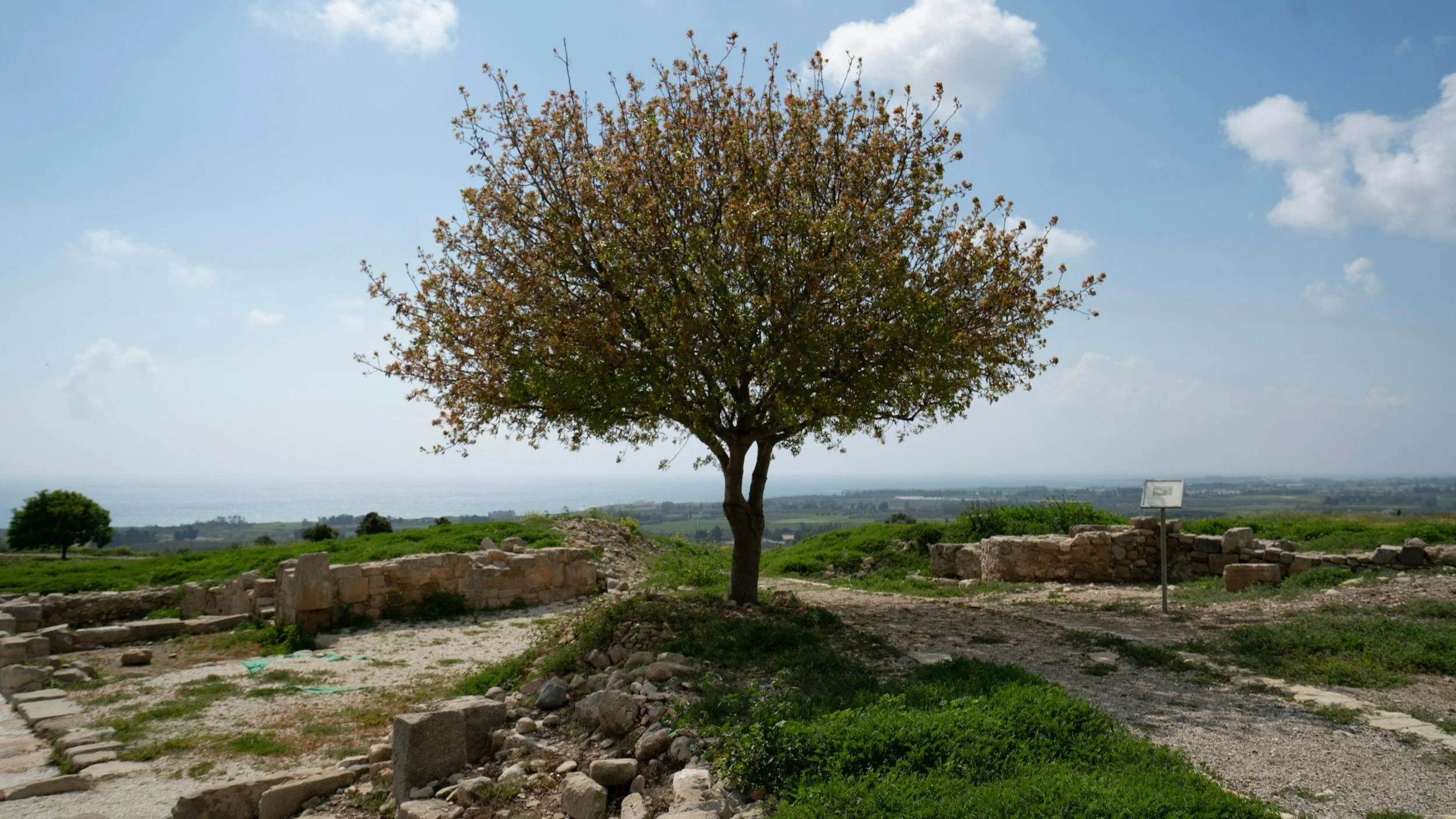
The best time to visit Tel Gezer is during spring (March to May), when the hills erupt in a vibrant display of wildflowers like poppies and cyclamens, and the soft green landscape creates a stunning backdrop for exploring ancient ruins. Winters are cool and pleasant, while summer months can be hot and dry—so bringing water, a hat, and sunscreen is recommended. The park is open year-round and entrance is free for all visitors.
Upon arrival, travelers can expect to see impressive archaeological finds that span thousands of years. Highlights include Solomon’s Gate, a fortified structure from the biblical era; a Canaanite water shaft; the Gezer Calendar replica; standing stones believed to be part of an ancient cultic center, sometimes compared to Stonehenge; and inscribed boundary stones marking the ancient city’s limits.
Gentle hiking trails loop around the hilltop, offering sweeping views over the Ayalon Valley and coastal plains, and the site is perfect for history enthusiasts, families, and nature lovers alike.
Whether coming for the archaeology or the natural beauty, Tel Gezer promises a memorable experience, combining a deep sense of ancient tradition with the easy accessibility of modern Israel.
No ads, no commercials, just high-quality content.
If you find our work valuable, we would be grateful for your support. Your contribution helps us continue our mission of providing high-quality content and sharing it with an even wider audience. Support Our Mission