Jerusalem Western Wall Tunnels Archaeology and History
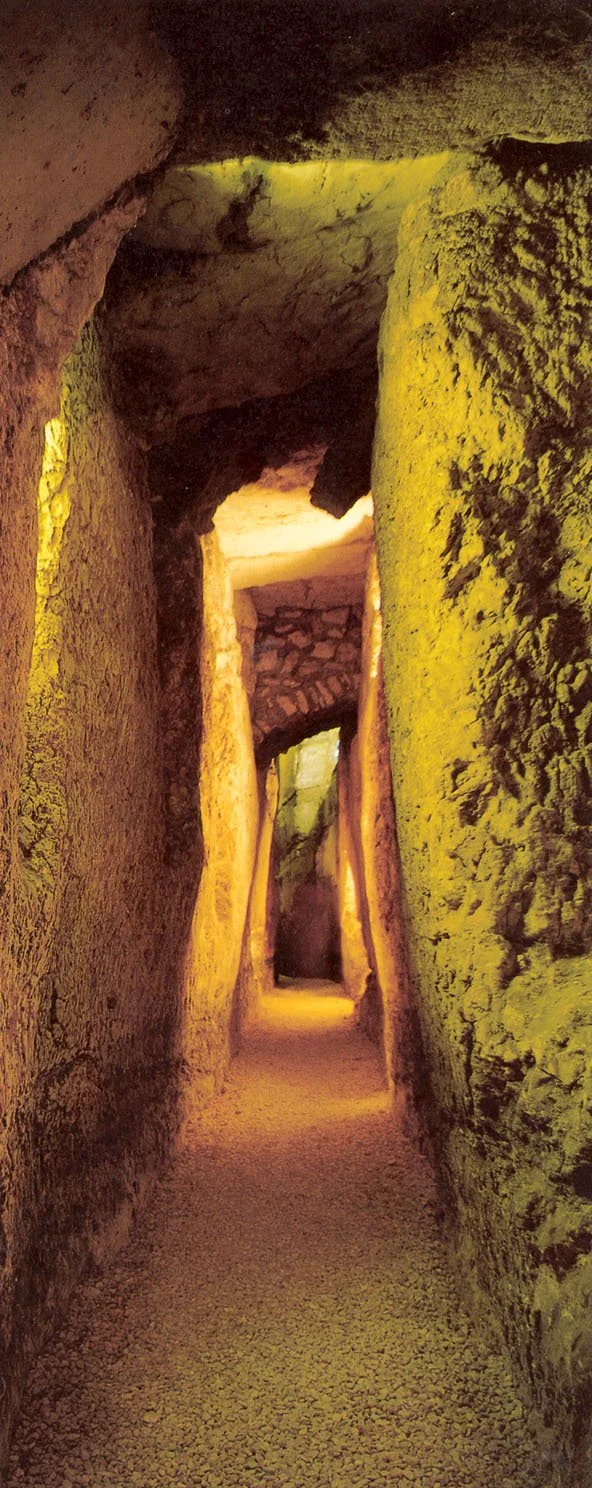
The Western Wall Tunnels are a subterranean complex running beneath the Old City of Jerusalem that expose the remaining full length of the Western Wall of the Second Temple.
Extending approximately 485 meters (1,591 feet) underground, these tunnels provide direct access to massive Herodian engineering feats, ancient cisterns, and historical strata dating from the Hasmonean period through the Mamluk and Ottoman eras. Today, this archaeological corridor acts as a vital cross-section of Levantine history, exposing the foundation stones of the Temple Mount complex that are otherwise hidden by centuries of urban residential development.
Weser Wall Tunnels
Geopolitical Context and Archaeological Foundations
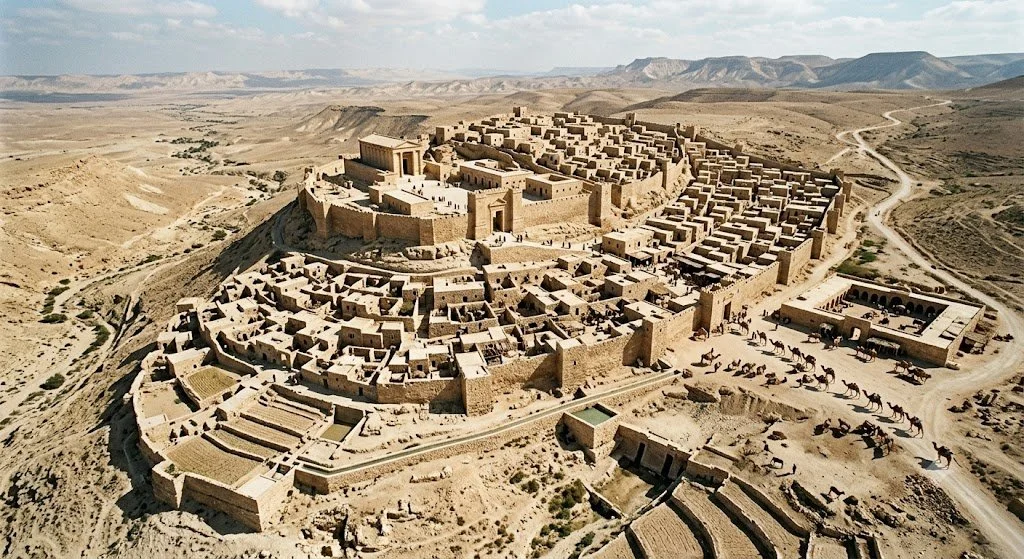
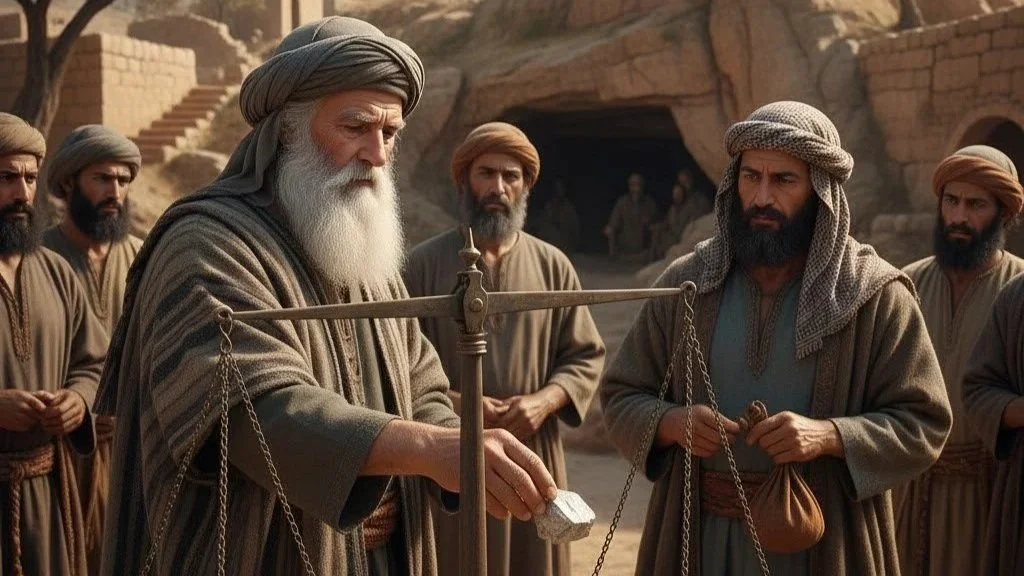
The construction of the Western Wall began during the reign of King Herod the Great (37–4 BCE) as part of a massive expansion project for the Second Temple compound. To create a flat, expansive plateau for the Temple complex, Herod’s engineers built a colossal retaining wall around Mount Moriah.
Following the Roman destruction of Jerusalem in 70 CE, the city's topography underwent dramatic alterations. During the Byzantine, Early Islamic, and Crusader periods, and accelerating heavily under Mamluk rule in the 13th to 15th centuries, the valleys surrounding the Temple Mount were systematically filled or built over with vaulted structures to support new streets and residential quarters, effectively burying the lower sections of the retaining wall.
The modern rediscovery of these spaces began in the 19th century with British engineers Charles Wilson and Charles Warren, who conducted initial surveys under the auspices of the PEF. However, systematic clearance and scientific excavation did not occur until after 1967, led by the Israel Israel Antiquities Authority.
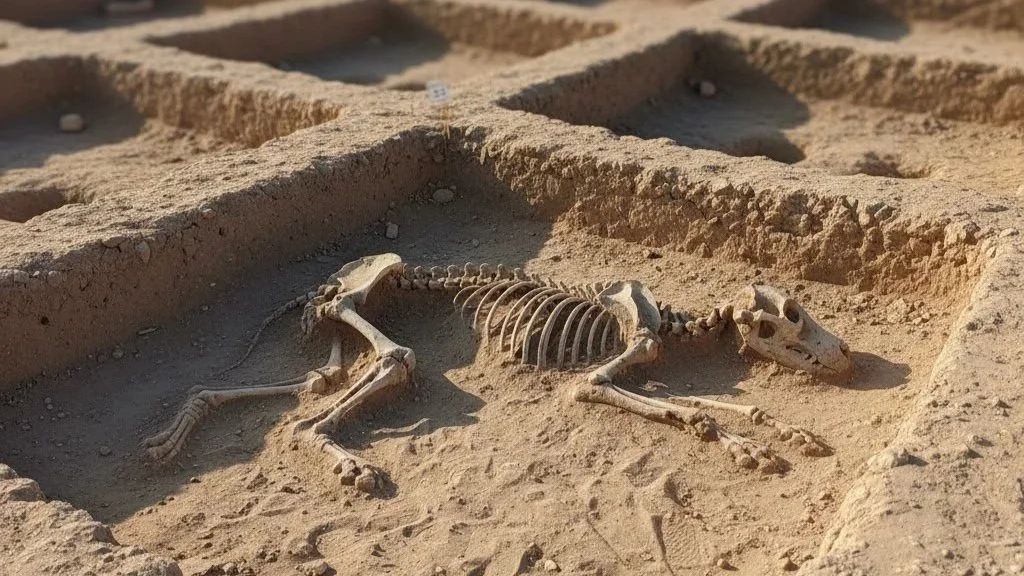
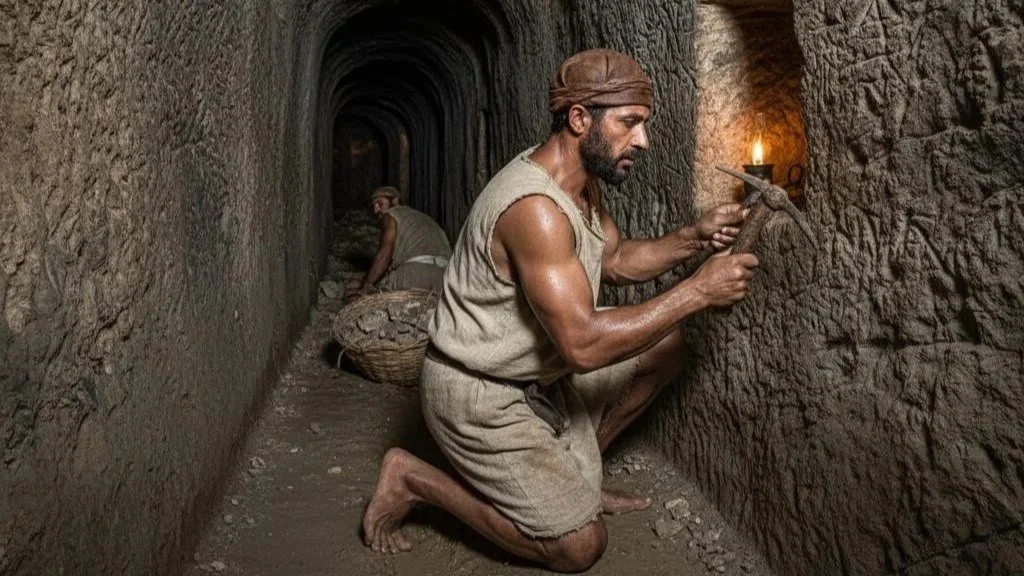
Excavating horizontally beneath populated residential blocks of the Muslim Quarter required complex structural engineering, utilizing steel reinforcements and concrete pillars to secure the historical buildings above. The project successfully exposed nearly 300 additional meters of the monolithic masonry wall, revealing engineering techniques that had remained undisturbed for nearly two millennia.
Architectural Masterpieces of the Subterranean Complex
Architecturally, the tunnels present an unparalleled look at Roman-era megalithic construction. The masonry is characterized by massive, precisely dressed limestone ashlar stones featuring distinct drafted margins, which were laid down without any binding mortar.
The precision of the fit is so dense that a thin blade cannot be inserted between the joints. The subterranean pathway also bypasses ancient water systems, residential rooms, and monumental arches that once supported the primary thoroughfares leading into the sanctuary.
Among the key architectural components preserved in the complex is Wilson's Arch, a monumental stone structure that spanned the Tyropoeon Valley to connect the Upper City with the Temple Mount. Additionally, the excavations revealed Warren's Gate, an ancient entry point into the Temple compound that sits roughly 150 feet into the tunnel system.
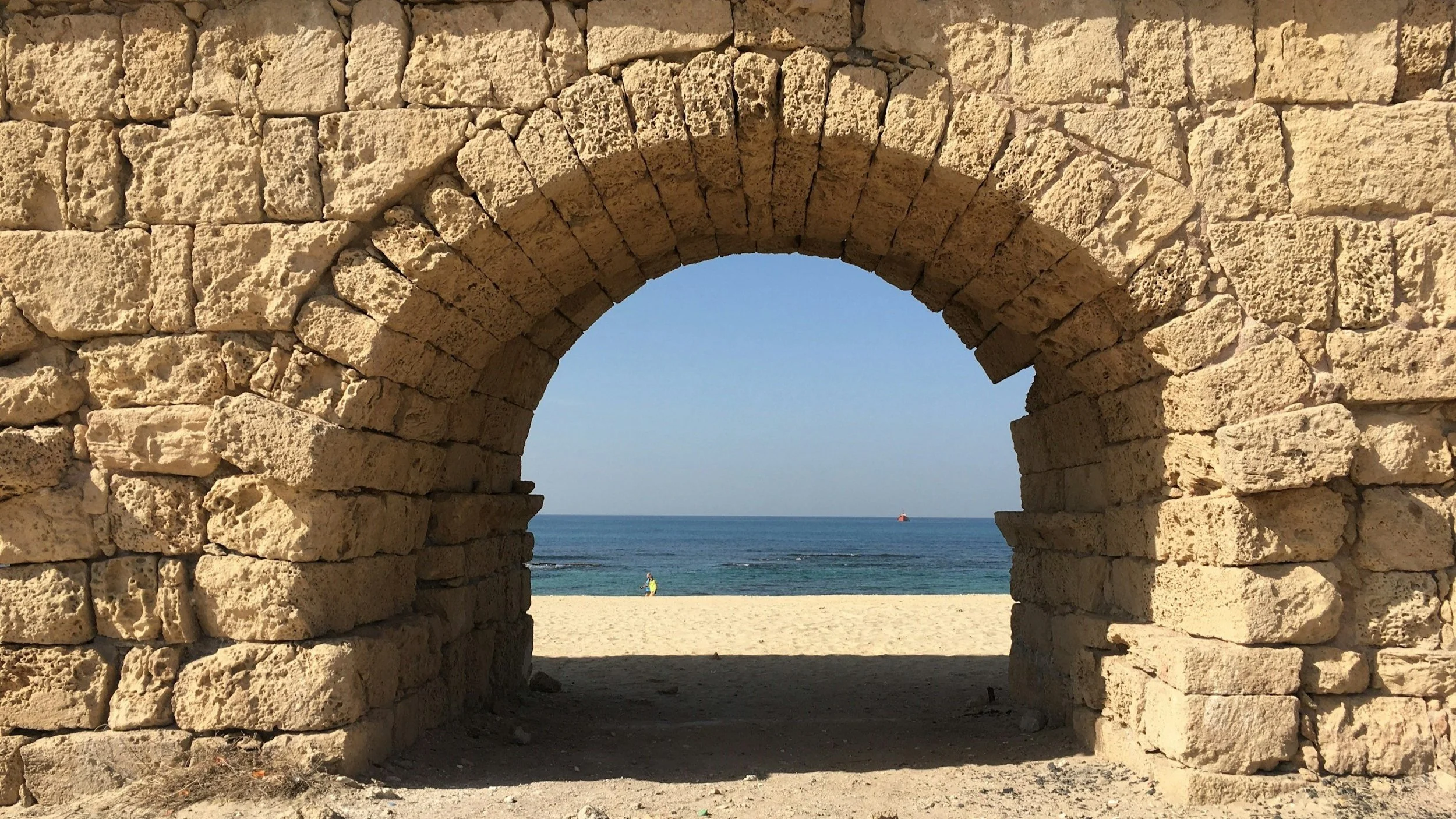
The northern terminus of the complex integrates an ancient Hasmonean aqueduct that once channeled rainwater from the north of the city down to the Temple Mount cisterns, concluding at the Strouthion Pool, a massive twin-vaulted water reservoir built to supply the Antonia Fortress.
Western Stone
The Western Stone and Megalithic Engineering
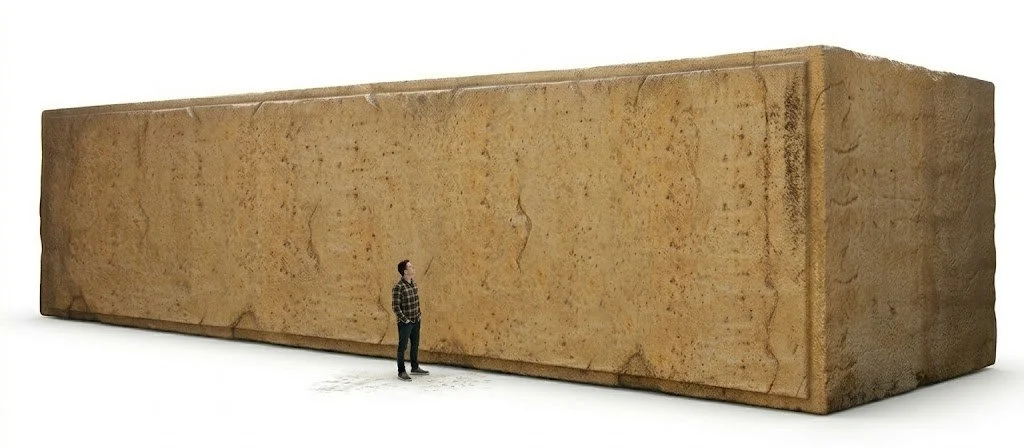
The structural integrity of the lower courses of the Western Wall relies on a collection of monumental ashlar blocks known as the Master Course. Situated slightly north of Wilson’s Arch, this course contains the "Western Stone," widely recognized as one of the largest single building blocks ever quarried and deployed by human civilization.
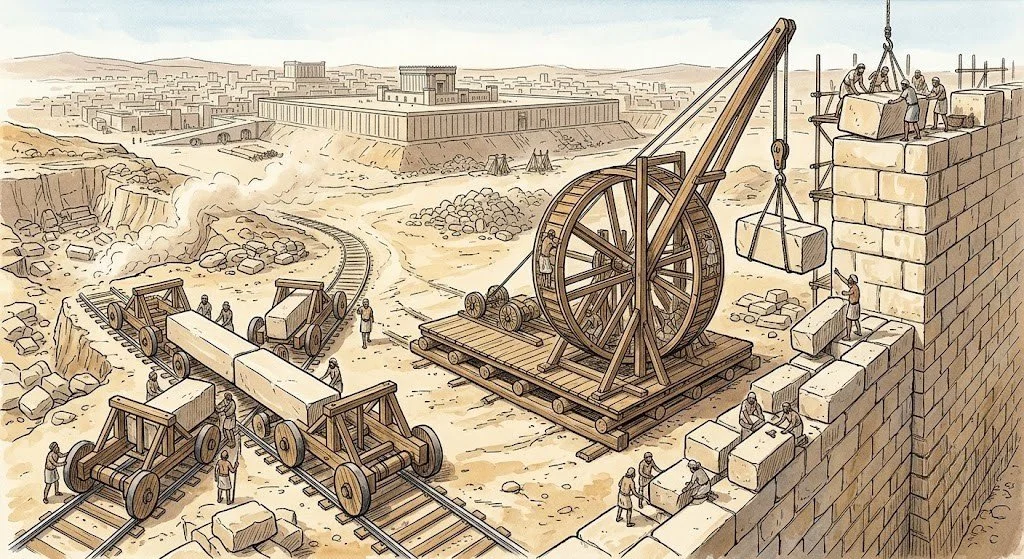
Measuring approximately 13.6 meters (44.6 feet) in length, between 3.5 and 4.5 meters in height, and an estimated 3.3 meters in depth, its total weight is calculated to be roughly 570 metric tons. The extraction, transport, and precise placement of this monolithic block without modern heavy machinery remains a focal point of ancient engineering research.
Scholars hypothesize that the block was quarried from the nearby pools of Bethesda or the northern quarries of the city and slid down a system of wooden rollers, using massive levers and oxen teams to lock it into position as a stabilizing anchor for the entire retaining wall against tectonic shifts.
The Strata of Medieval Vaulting and Civic Development
The tunnels offer an empirical timeline of Jerusalem's evolving civic landscape, specifically highlighting the transition from open-air Roman streets to a subterranean network of medieval vaults. During the Mamluk period, the city's administration sought to elevate the residential sectors adjacent to the western boundary of the Haram al-Sharif to allow easier access to the holy platform.
Rather than clearing the existing Roman and Byzantine ruins, builders utilized them as structural basements, constructing rows of subterranean brick and stone arches directly on top of the older infrastructure. This architectural layering created a double-tiered city street system.
The modern tour corridor weaves directly through these structural arches, offering researchers an intact look at medieval residential foundations, historical plaster configurations, and cistern networks that demonstrate how successive empires recycled urban space rather than dismantling it.
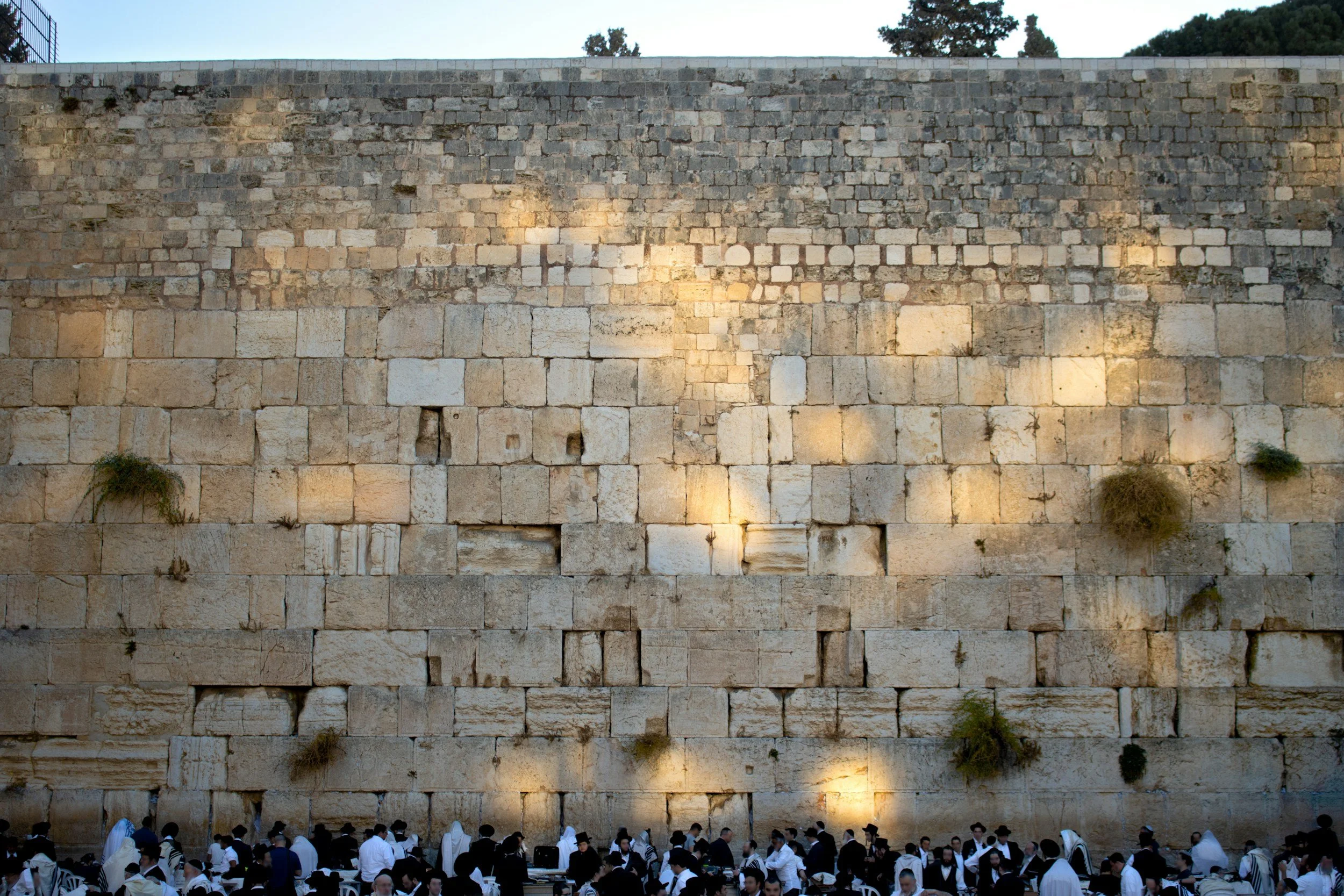
Western Wall
5 Surprising Facts About the Western Wall Tunnels
The largest stone is heavier than a fully loaded commercial airplane. The Master Course's largest block weighs an estimated 570 metric tons, easily outmassing a fully fueled Boeing 747 airliner.
The tunnels contain the closest accessible point to the historic Holy of Holies. An underground area known as the Cave, located directly opposite Warren's Gate, sits exactly behind the spot where the Ark of the Covenant traditionally rested.
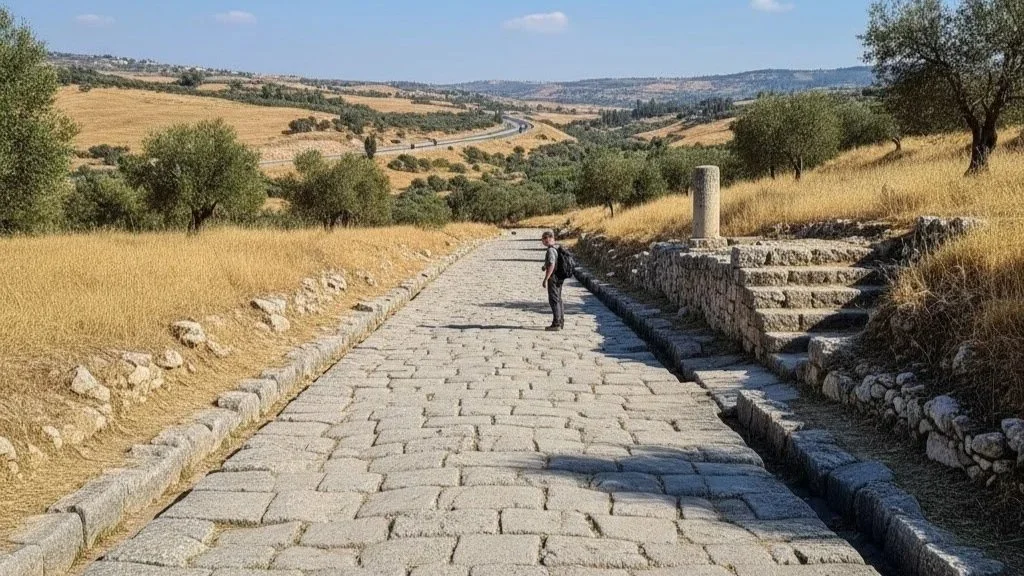
An entire Roman street paved with intact stone slabs sits completely sealed underground. Deep within the complex, visitors walk along an original 1st-century Herodian street complete with curbstones, drainage channels, and marks from ancient chisels.
The northern exit cuts through an ancient water reservoir built by Herod the Great. The tour pathway ends at the Strouthion Pool, an open-air pool that was vaulted over during the reign of Roman Emperor Hadrian to support a public plaza.
The modern tunnel network runs directly beneath active residential homes. Because the tunnels follow the foundational perimeter of the Temple Mount, the modern steel-reinforced pathway sits only a few meters below the foundations of inhabited houses in the Old City.
Actionable Heritage Suggestions
The Great Stone Hall: This massive hall allows for an up-close examination of the Western Stone. Photographers should prioritize this section during low-traffic morning slots to capture the precise drafted margins of the Herodian masonry without modern crowd interference.
The Chain of Generations Center: Located adjacent to the tunnel entrance, this site features highly detailed artistic glass sculptures that illustrate the chronological history of the site. It provides an excellent conceptual framework before descending into the physical excavations.
The Hasmonean Aqueduct: Situated at the far northern exit of the tunnels, this narrow, rock-hewn water channel offers an authentic look at pre-Herodian engineering. Visitors should wear sturdy footwear, as the stone flooring can be damp from historical water seepage.
The Davidson Center and Southern Wall Archaeological Park: To fully conceptualize what the buried portions of the Western Wall looked like above ground, visit this open-air park immediately south of the plaza. It features the monumental Robinson's Arch and the massive steps where ancient pilgrims entered the Temple.
No ads, no commercials, just high-quality content.
If you find our work valuable, we would be grateful for your support. Your contribution helps us continue our mission of providing high-quality content and sharing it with an even wider audience. Support Our Mission