How Ben-Gurion Managed Israel's Tzena Rationing
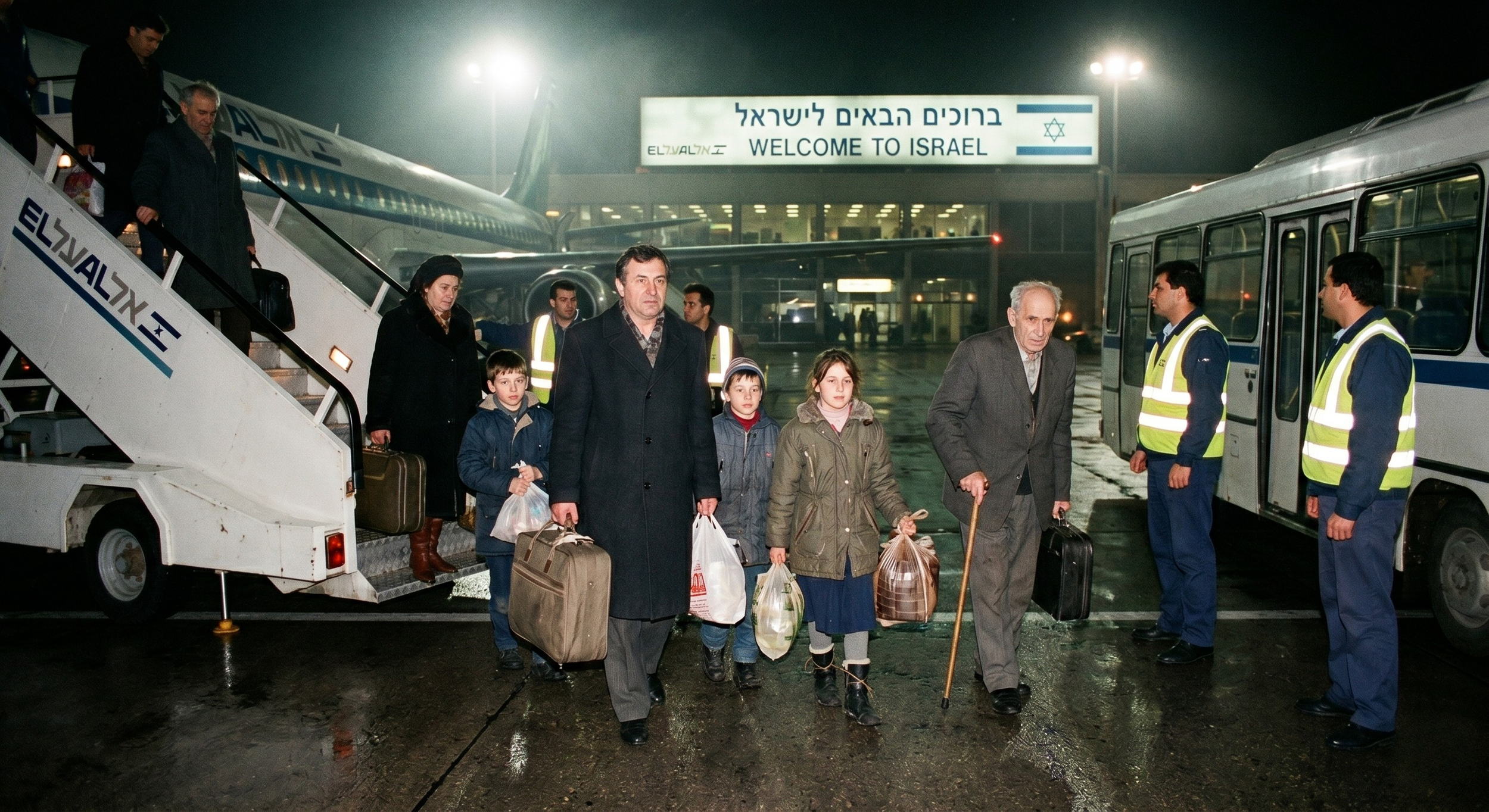
In the late 1940s, Israel was simultaneously recovering from the 1948 war, absorbing hundreds of thousands of immigrants, and operating on an economic structure inherited from the British Mandatory regime, which had been geared to wartime needs.
Export revenues covered less than a third of import costs, foreign currency was scarce, and by 1949 the new state faced near financial collapse, making rationing politically and economically unavoidable.
The government created a Ministry of Rationing and Supply under Dov Yosef to oversee distribution of essential goods through a central bureaucracy.
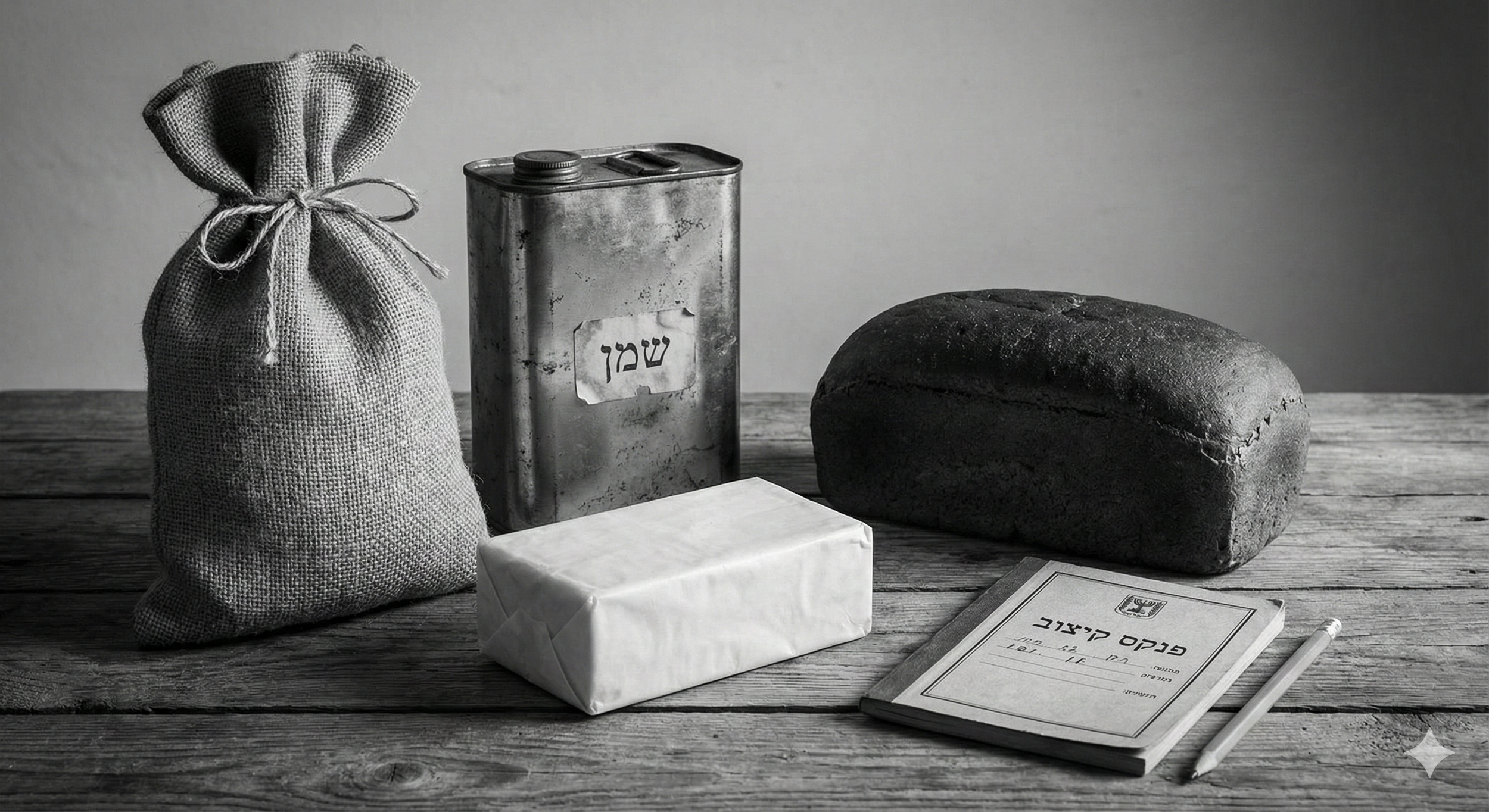
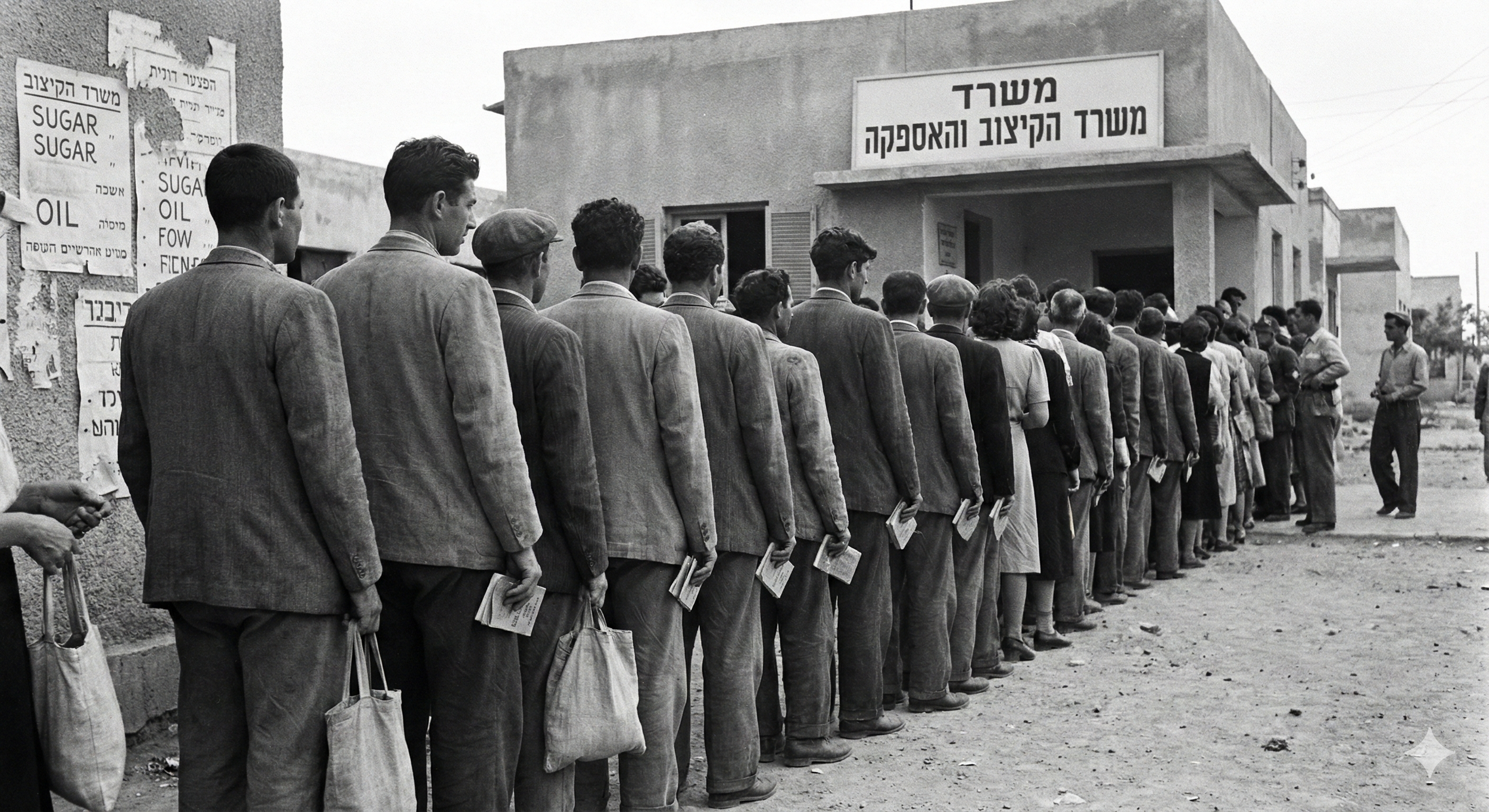
Citizens received coupons entitling them to limited monthly quantities of basic foods and consumer goods, a mechanism intended to guarantee minimum consumption and prevent social unrest in a time of scarcity.
Israel's austerity period, known as the Tzena, spanned from 1949 to 1959 and shaped the young nation's early years under Prime Minister David Ben-Gurion's firm guidance.
Facing war recovery, depleted reserves, and a surge of immigrants doubling the population, the government introduced comprehensive rationing to distribute scarce essentials equitably. This policy not only prevented immediate collapse but also built a foundation for long-term stability, though it demanded sacrifices from all citizens during a decade of shared constraint.
Ben-Gurion established the Ministry of Rationing and Supply in 1949, led by Dov Yosef, to oversee a centralized system modeled on wartime precedents. From 1949 to 1951, rationing covered core staples amid acute shortages, expanding by 1952 to broader consumer goods as import pressures mounted.
The 1952-1953 phase saw partial relief from German reparations, narrowing controls, while 1954-1959 focused on gradual phase-out, ending fully in 1959. Throughout, monthly coupons ensured controlled access, reflecting Ben-Gurion's vision of state-led equity in crisis.
Specific Products Under Rationing
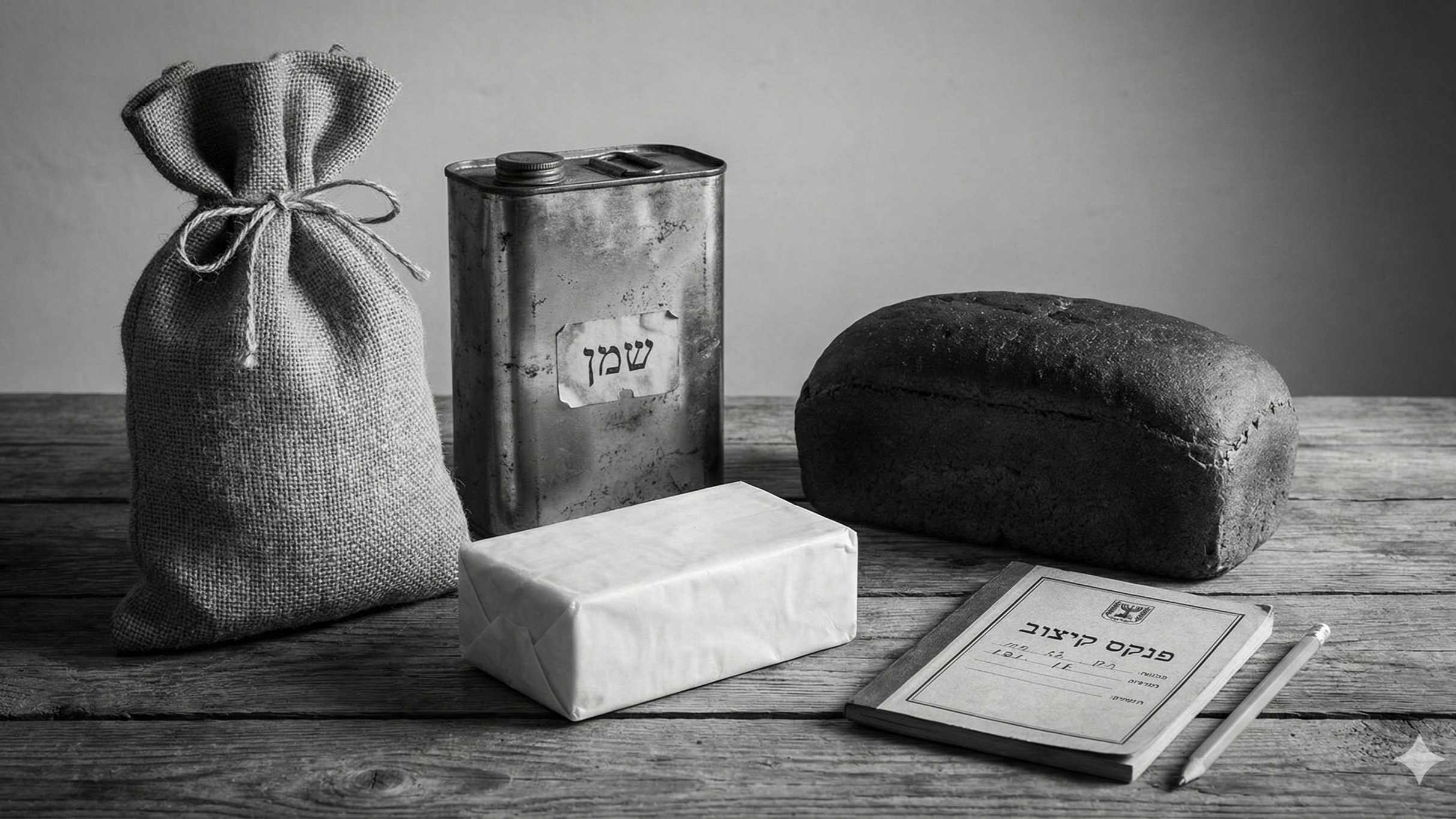
Rationing targeted everyday necessities with precise limits to stretch supplies. In the initial 1949-1951 years, citizens received coupons for sugar (about 200g monthly per person), cooking oil (500g), and margarine (400g), alongside staples like rice, flour, and cheese at fixed quotas. By 1952, clothing entered the list—two meters of fabric or one pair of shoes annually—while footwear and furniture faced similar caps to curb non-essential demand.
Later periods adjusted these: from 1953-1955, coffee, jam, and meat saw reductions to 15 items total, dropping to 11 by 1958 before abolition.
Each adult's coupons equated to roughly IL6 monthly, yielding a 1,600-calorie daily diet supplemented for children (up to 2,500 calories) and pregnant women. Black market prices for extras like eggs or butter often tripled official rates, highlighting enforcement gaps.
Impact on Daily Lives and Society
The Tzena profoundly affected families, especially new immigrants in transit camps from 1949-1952, where queues stretched hours for meager allotments amid overcrowding. Urban dwellers faced repetitive lines and vehicle searches, fostering resentment as rural farmers sold surpluses informally, widening urban-rural divides.
Nutrition suffered, with widespread reports of fatigue and developmental issues in children, though state campaigns promoted potato-based meals and bread stretches.
Socially, 1950-1952 saw peak tensions, including a major merchants' strike protesting bureaucracy and shortages, pressuring Ben-Gurion to refine the system.
Women managed household adaptations, bartering coupons or foraging, while communal kitchens in camps built solidarity but underscored inequalities for the affluent. By mid-decade, improving economy eased hardships, shifting public mood toward acceptance of progress.
Enforcement and Black Market Challenges
Ben-Gurion's government deployed inspectors, special courts, and the 1950 Office for Fighting the Black Market to enforce compliance across Tzena phases.
From 1949-1953, police raids on buses and homes seized contraband, with penalties up to fines or jail for hoarders. Despite this, underground trade thrived, supplying urban elites with unrationed meats or imported sweets at premium prices.
The 1954-1959 wind-down reduced such efforts as restrictions lifted, but early failures eroded trust, fueling protests and debates on state overreach. Ben-Gurion defended it as essential paternalism, akin to global postwar measures, buying time for industrial growth.
German reparations in 1952 marked the 1953 pivot, funding imports and sparking a New Economic Policy that halved rationed items by 1956. Full end came in 1959, ushering market freedoms after a decade that sustained population growth from 665,000 to over two million. Tzena ingrained values of resilience, influencing Israel's welfare-state elements and food culture narratives
Experiencing Israel Today: 5 Practical Suggestions
While the tzena belongs to history, today’s visitors can explore how that era shaped modern Israeli society while enjoying a very different culinary and cultural landscape.
Mahane Yehuda Market, Jerusalem
Once a place where rationed goods and black‑market items mingled, Mahane Yehuda is now a bustling food market filled with fresh produce, bakeries, and small eateries that reflect how far Israel’s food culture has moved beyond scarcity. The market is liveliest from late morning to early evening Sunday–Thursday, and Friday mornings before Shabbat are ideal for sampling pastries, spices, and local street food; for a calmer experience, visit earlier in the day.Carmel Market and Kerem HaTeimanim, Tel Aviv
The Carmel Market showcases abundant fruit, vegetables, fish, and prepared foods, offering a stark contrast to the tightly controlled supply of the 1950s. Stalls usually operate from morning until late afternoon (Sunday–Friday), and pairing a daytime market visit with an early lunch in nearby Kerem HaTeimanim gives a sense of how immigrant cuisines that once adapted to rationing have evolved into today’s rich culinary scene.National Library of Israel, Jerusalem (Digital and On‑site Collections)
The National Library maintains archives on the austerity period, including photographs, pamphlets, and official documents related to rationing and public campaigns. Researchers and interested travelers can explore digital collections anytime, while in‑person visits generally follow weekday academic hours; those planning a visit should confirm reading‑room opening times and access requirements in advance.Guided Historical Walking Tours (Jerusalem/Tel Aviv)
Several operators run history‑focused walking tours that place the austerity decade within the broader story of Israel’s early statehood, stopping at neighborhoods built for new immigrants, former food distribution points, and early government districts. Tours typically last 2–4 hours, with departures in the morning or late afternoon to avoid midday heat; booking a small‑group or private tour allows more time for questions about daily life under tzena
No ads, no commercials, just high-quality content.
If you find our work valuable, we would be grateful for your support. Your contribution helps us continue our mission of providing high-quality content and sharing it with an even wider audience. Support Our Mission