Jaffa Gate - Jerusalem Visitor Guide
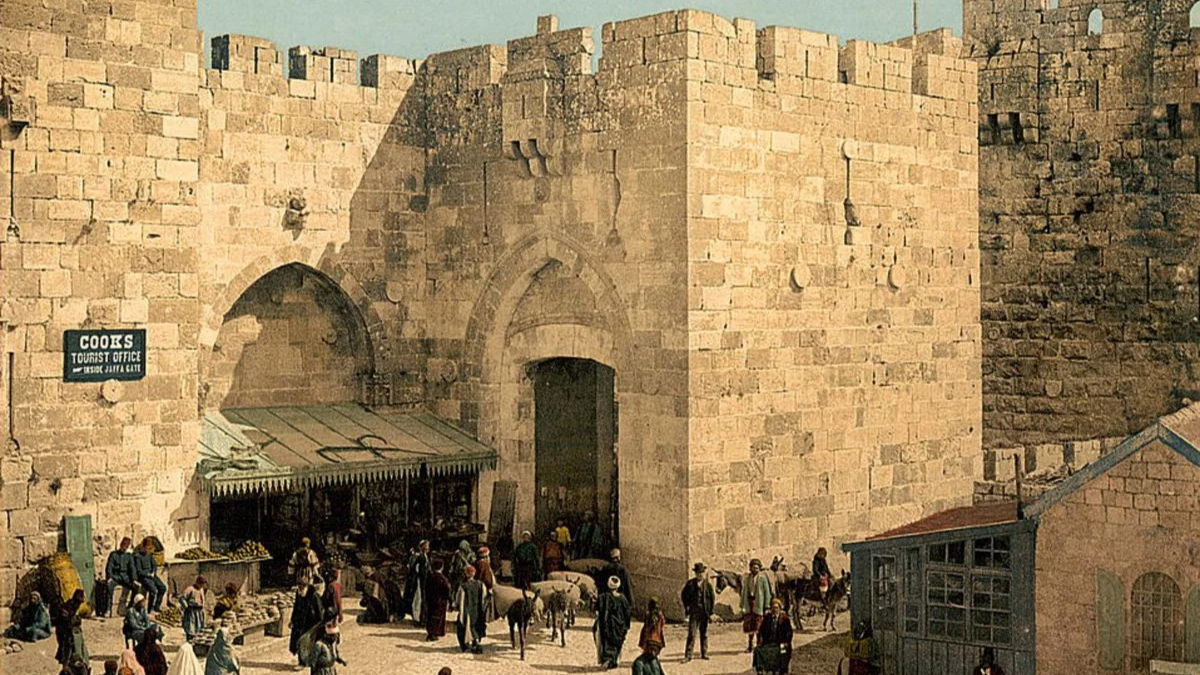
Standing as the primary link between the Mediterranean coast and the holy sites of the Old City, Jaffa Gate represents more than just a physical entrance. It is a limestone threshold where centuries of pilgrimage, conquest, and commerce converge.
For the modern traveler, this gate serves as the most prominent entry point into the Christian and Armenian Quarters, acting as a bustling hub that connects the contemporary pulse of West Jerusalem with the ancient, labyrinthine stone alleys of the historical center.
The current structure, characterized by its distinctive L-shaped interior designed to thwart charging cavalry, is part of the massive fortification project undertaken by Sultan Suleiman the Magnificent in the 16th century. However, the site’s significance predates the Ottoman Empire by millennia.
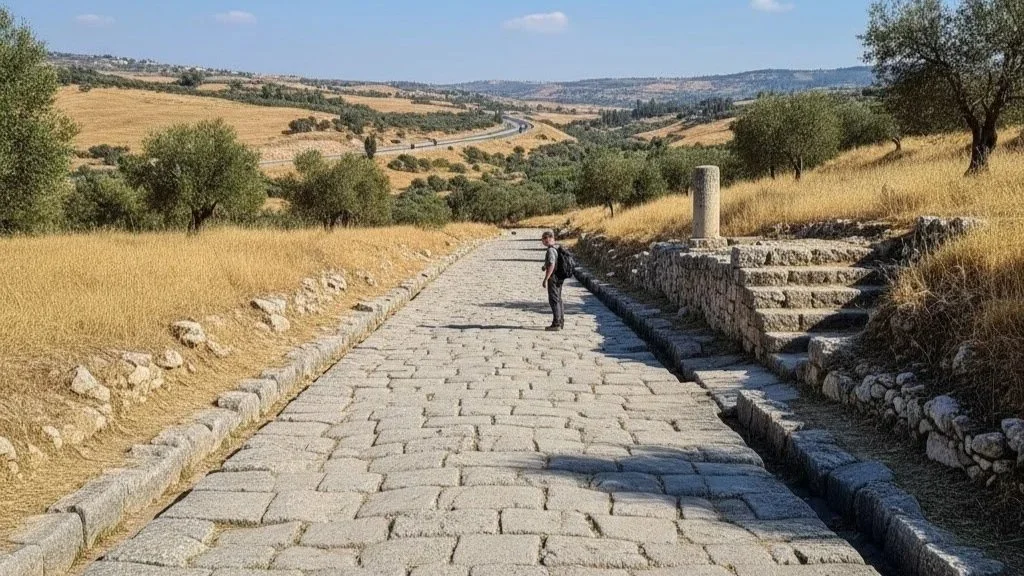
As the starting point of the ancient road leading to the port of Jaffa, this portal has welcomed everyone from Roman legionnaires and Crusader knights to weary pilgrims arriving by sea. Its architecture tells a story of strategic defense, religious devotion, and the evolving urban fabric of one of the world's most contested cities.
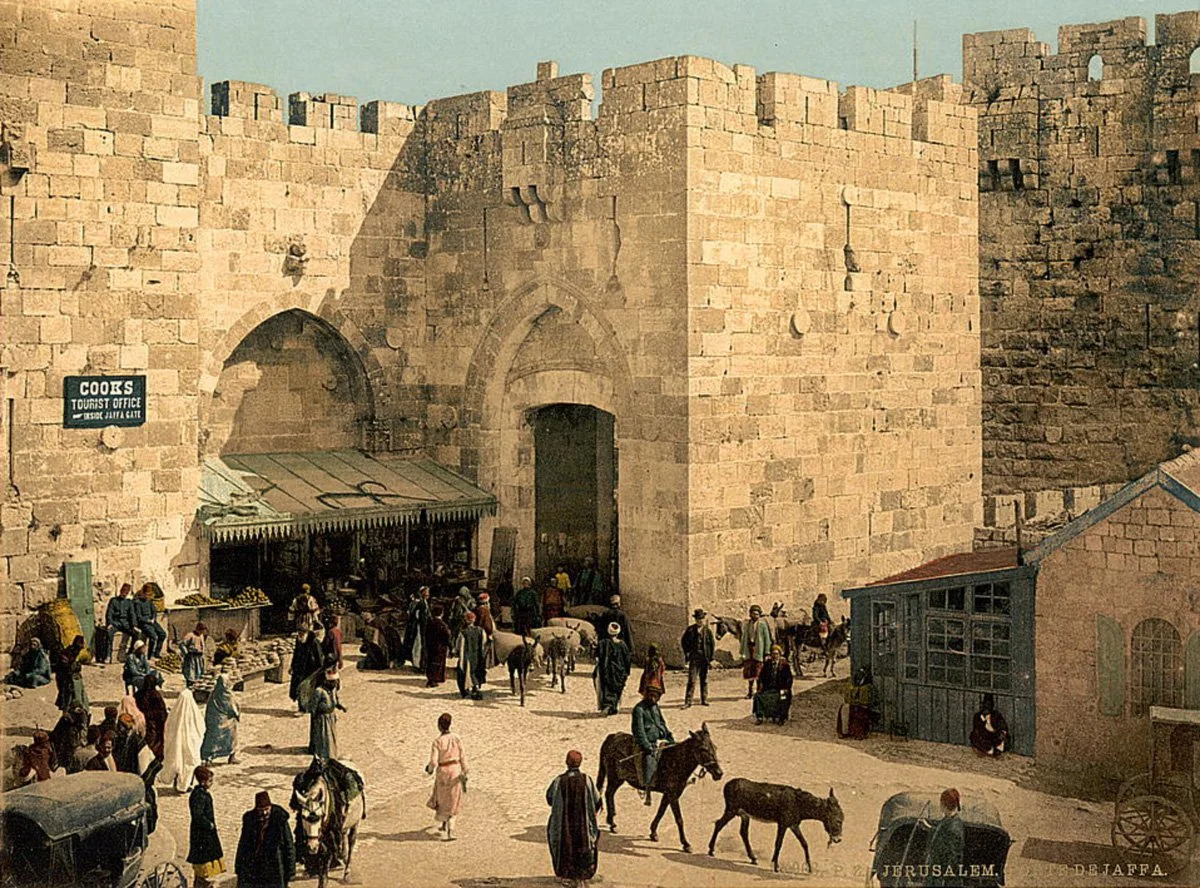
Understanding Jaffa Gate is essential for grasping the complex identity of Jerusalem itself. It is a place of transition where the call to prayer, church bells, and the chatter of modern tourism harmonize.
To pass through its heavy wooden doors is to walk the same path as historical giants, entering a space that has been meticulously preserved yet remains vibrantly functional. This guide explores the multi-layered history, nomenclature, and enduring purpose of this iconic monument.
Nomenclature and Linguistic Evolution
The gate’s various names reflect the diverse cultures that have vied for influence within Jerusalem. In Hebrew, it is known as Sha'ar Yafo, named for the ancient port city of Jaffa (Joppa) to which the road from this gate leads. For centuries, this was the primary route for pilgrims arriving at the coast and making their way up the Judean hills to the Holy City.
In Arabic, the gate is most commonly referred to as Bab el-Khalil, meaning "Gate of the Friend." This name honors the Patriarch Abraham, who is called Al-Khalil (the Friend of God) in Islamic tradition and is buried in Hebron. Since the road leading south from this gate eventually reaches Hebron, the name serves as a geographical and spiritual marker. Historically, the gate was also called Bab Mihrab Dawud (Gate of David's Prayer Niche), referencing the adjacent Citadel, which has long been associated with King David.
Strategic Purpose Through the Ages
Throughout history, the primary function of Jaffa Gate was defensive. During the Ottoman period, the gate was designed with a sharp 90-degree turn. This tactical "bent entry" was a standard medieval military feature intended to slow down invaders and prevent them from using battering rams or high-speed cavalry charges to breach the city’s inner sanctum.
The massive iron-clad doors were locked every evening at sunset and remained closed until dawn, a practice that continued well into the 19th century.
Beyond defense, the gate served as a vital customs house and a center for civic life. As Jerusalem began to expand beyond its walls in the mid-1800s, the area surrounding Jaffa Gate became the city's first modern "commercial district."
It hosted the central post office, luxury hotels for European travelers, and a bustling marketplace. In 1898, a significant portion of the wall adjacent to the gate was breached to allow German Emperor Wilhelm II to enter the city in his carriage, an event that permanently altered the gate's landscape and allowed for the flow of modern vehicular traffic.
Things You Didn't Know
The Hidden Tombs: Just inside the gate, behind a small iron fence, lie two modest stone graves. Legend suggests these are the final resting places of the two Ottoman architects commissioned by Suleiman the Magnificent to build the city walls. One popular story claims the Sultan had them executed because they inadvertently left Mount Zion outside the city fortifications.
The Proclamation of 1917: It was at the steps of the Citadel, adjacent to Jaffa Gate, that General Edmund Allenby famously entered the city on foot after the British conquest in World War I. He deliberately dismounted his horse to show respect for the Holy City, contrasting with the Kaiser's grand entrance two decades earlier.
The Missing Clock Tower: In 1908, the Ottomans built an ornate, multi-story clock tower atop Jaffa Gate to mark the 30th anniversary of Sultan Abdul Hamid II’s reign. However, the British Mandate authorities dismantled it in 1922, arguing that the modern structure detracted from the historical aesthetic of the ancient walls.
A Geographic Zero Point: During the British Mandate, Jaffa Gate was officially designated as the "Kilometer Zero" marker. All distances to and from Jerusalem were measured starting from this specific point.
The Mezuzah of the Gate: In keeping with Jewish tradition, the gate features one of the largest mezuzahs in the world. It was affixed to the stone doorpost after the city was reunified following the Six-Day War in 1967, symbolizing the return of Jewish presence to the Old City.
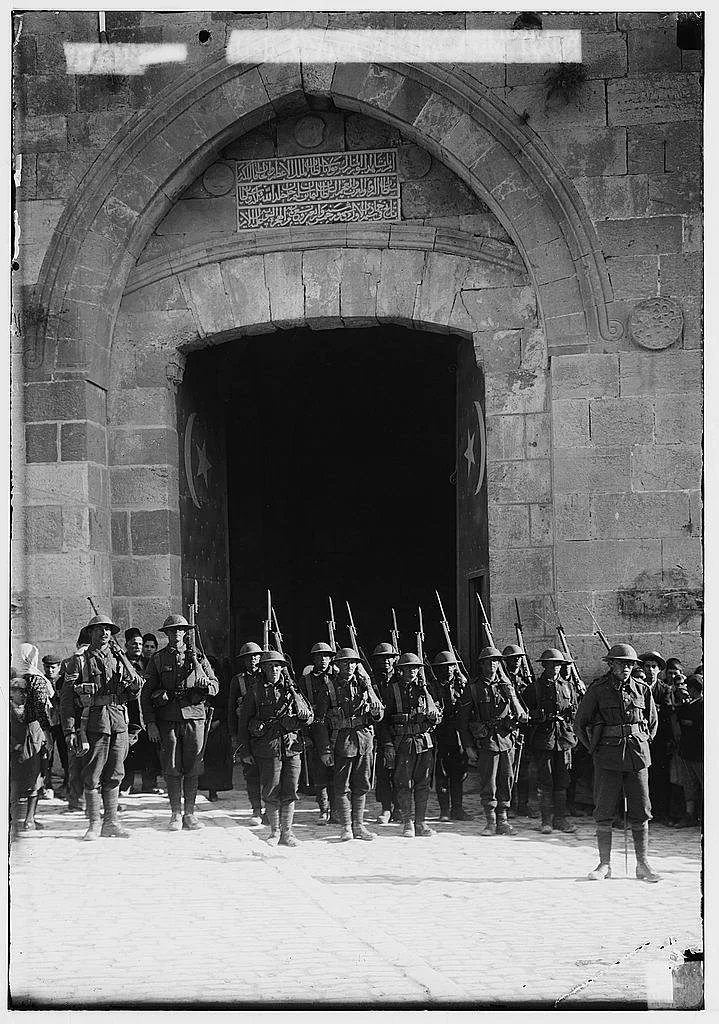
WW1
Essential Stops
1. The Tower of David (Jerusalem History Museum)
Located immediately to the right as you enter the gate, this ancient citadel serves as the definitive museum of Jerusalem’s history. The site features archaeological finds dating back 2,500 years.
Ideal Time to Visit: Late afternoon for the "Night Spectacular" sound and light show projected onto the citadel walls.
Practical Info: Open Sunday–Thursday, 9:00 AM – 4:00 PM (extended hours for evening shows).
2. The Ramparts Walk
For a panoramic perspective of the city, ascend the walls via the Ramparts Walk entrance located just outside the gate. The North Walk takes you toward the Christian and Muslim Quarters, offering views into private courtyards and over the Dome of the Rock.
Recommendation: Wear sturdy walking shoes; the stone path can be uneven.
Practical Info: Tickets can be purchased at the small kiosk near the gate entrance.
3. The Jaffa Gate Market
As you enter, follow the flow of traffic into the colorful souks. This area is famous for traditional Armenian ceramics and hand-woven textiles.
Best Buy: Hand-painted ceramic plates featuring the "Tree of Life" motif.
Practical Info: Most shops open by 9:30 AM and begin closing around sunset.
5. Mamilla Mall
Located directly across from the gate outside the walls, this upscale outdoor pedestrian mall bridges the gap between the ancient and the modern. It features high-end boutiques and world-class street art.
Recommended Activity: Enjoy a coffee at one of the rooftop cafes overlooking the Old City walls at sunset.
Practical Info: Most shops are closed from Friday afternoon through Saturday evening for Shabbat.
Dos and Don’ts for Your Visit
Dos
Do Wear Modest Clothing: While Jaffa Gate is a public thoroughfare, it leads directly into religious quarters. Ensure shoulders and knees are covered to show respect.
Do Use the Jaffa Gate Tourist Information Center: Located just inside the gate, they provide free maps and can verify current opening times for specific holy sites.
Do Arrive Early: To experience the gate without the heavy crowds, aim to arrive before 8:30 AM.
Don’ts
Don’t Accept "Free" Tours: Individuals lingering near the gate may offer unofficial tours. Always use licensed guides or pre-booked services to ensure accuracy and safety.
Don’t Forget Water: Even in the winter, the climb from the lower city to Jaffa Gate can be strenuous and the Mediterranean sun is deceptively strong.
Don’t Be Afraid to Haggle: In the market stalls immediately inside the gate, polite negotiation is part of the local culture and expected for most souvenir purchases.
Logistics: Jaffa Gate is easily accessible via the Jerusalem Light Rail (City Hall station is a 5-minute walk away) or by numerous bus lines stopping at the Mamilla/Agron intersection. For those staying in West Jerusalem, it is a pleasant 15-minute walk from the city center.
While our team at The Blog strives for absolute accuracy, travel details—including opening hours, prices, and site accessibility—are subject to change without notice. We recommend conducting independent research and checking official venue websites immediately prior to your visit. The Blog assumes no responsibility for external attractions or third-party services.
No ads, no commercials, just high-quality content.
If you find our work valuable, we would be grateful for your support. Your contribution helps us continue our mission of providing high-quality content and sharing it with an even wider audience. Support Our Mission