FAQ ISRAEL
Frequently Asked Questions About Visiting Israel
Last Updated:2026
Planning Your Visit
Do I need a visa to visit Israel for a vacation?
+
Most travelers from the USA, Canada, UK, and EU do not need a pre-arranged visa for stays up to 90 days. However, as of 2025, you need to apply for an ETA-IL (Electronic Travel Authorization) before your arrival. Check the official visa options or follow our guide on how to apply for your Israel ETA-IL.
What is the best time of year to travel to Jerusalem and Tel Aviv?
+
The best time to visit is during the spring (April-May) or autumn (September-October) when the weather is mild and comfortable. Summers can be very hot, and winters in Jerusalem can be cold and rainy. See our month-by-month travel guide.
Is it expensive to visit Israel as a tourist?
+
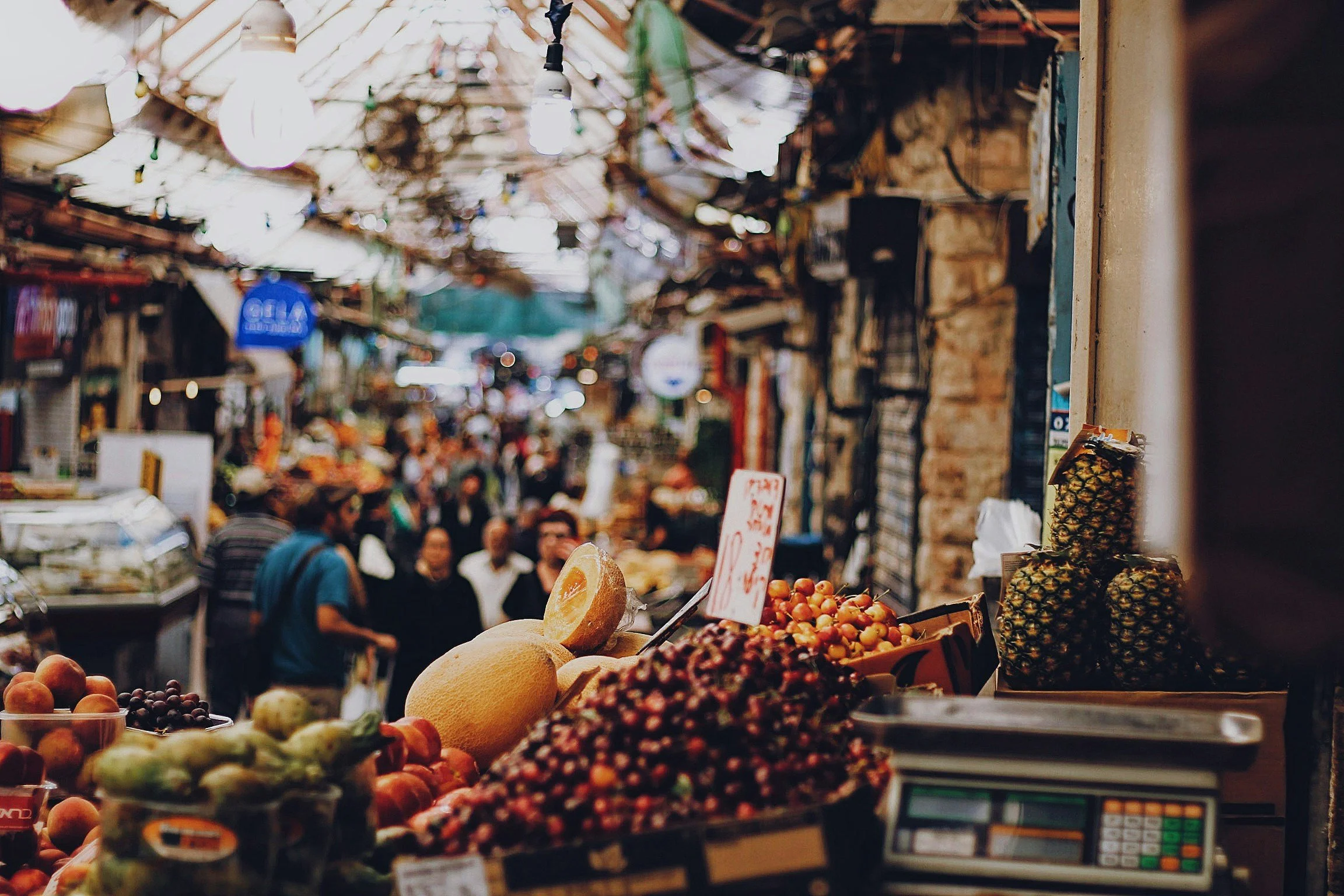
Yes, Israel (specifically Tel Aviv) is known for a high cost of living, similar to major European cities. You can save by eating at local markets and using public transit. Use our Israel trip budget calculator to plan your costs.
Can I use my credit card in Israel or do I need cash?
+
Credit cards are accepted almost everywhere in Israel, but carrying a small amount of cash (NIS) is helpful for tipping or small market purchases. For more on managing your money, check our budget planning page.
How do I get from Ben Gurion Airport to Tel Aviv or Jerusalem?
+
The high-speed train is the fastest way, taking roughly 20-25 minutes to both cities. Taxis are also available 24/7 at the airport. Read our full airport transfer and transport guide.
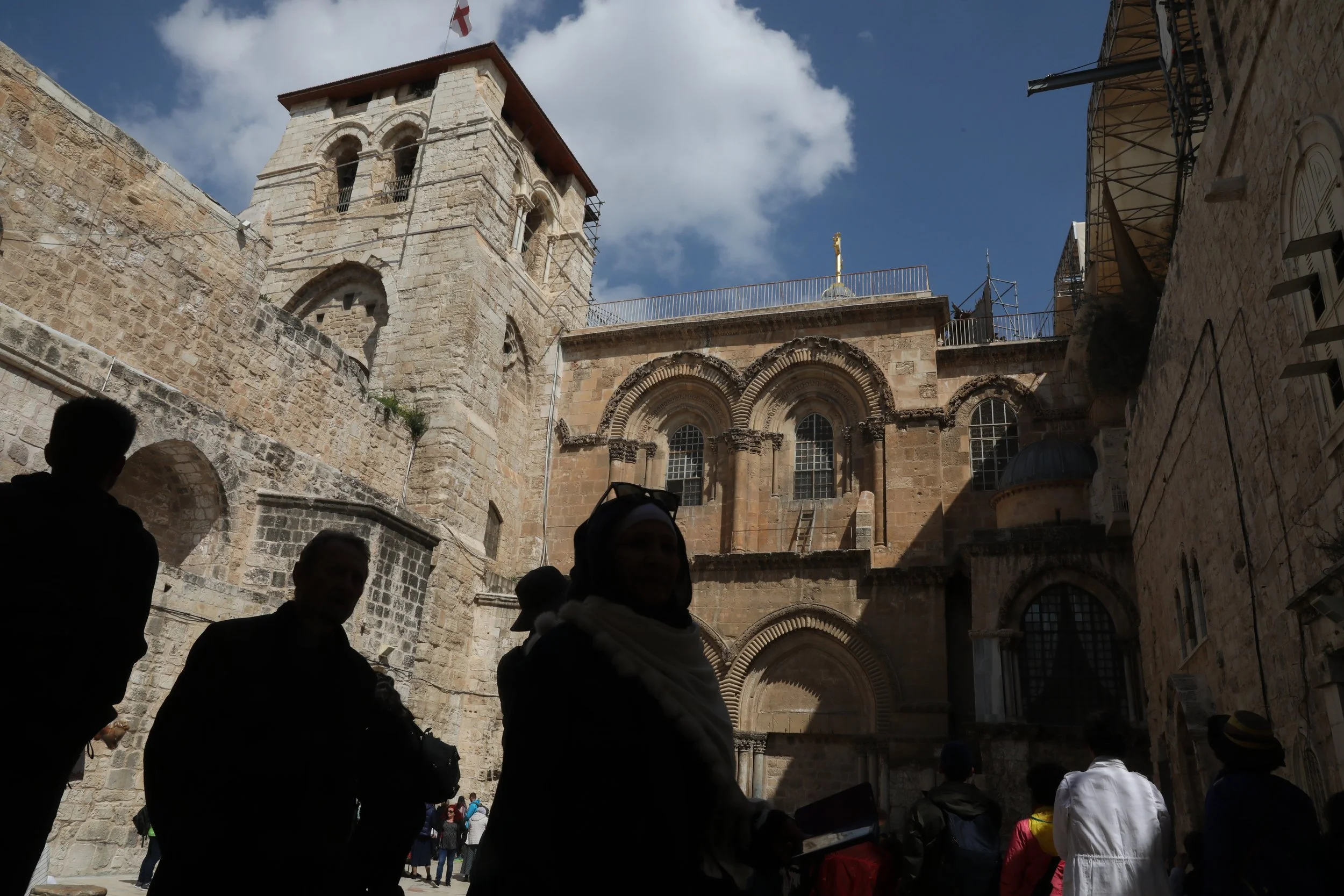
What should I wear when visiting holy sites in Israel?
+
Modest dress is required for holy sites, meaning shoulders and knees should be covered for both men and women. Outside of holy sites, dress is very casual. Check our Israel packing list and modesty guide.
Is there public transportation in Israel on Shabbat?
+
Most public transport stops from Friday afternoon until Saturday evening. In Tel Aviv, limited weekend bus services exist, and "Sherut" shared taxis operate in many cities. View the Shabbat transport calendar here.
What is the electricity voltage and plug type in Israel?
+
Israel uses 230V electricity with Type H or Type C plugs (round pins). A European adapter is usually sufficient for most travelers. For more essential visitor info, see About Israel.
Do people speak English in Israel?
+
English is very widely spoken throughout the country, and most signs and menus are in English. You will have no problem navigating major tourist areas or asking for assistance in English.
Do I need a special SIM card or can I use WiFi in Israel?
+
Israel has excellent WiFi, but a local SIM or eSIM is best for navigation. You can purchase one at the airport or use a service like Airalo eSIM for instant data upon arrival.
Security & Current Situation
Is it safe to travel to Israel right now in 2026?
+
Safety depends on the region; while many central areas are calm, you should always monitor your home country's travel advisories. We recommend reviewing our Israel emergency guide for tourists for current safety protocols.
Are flights to Ben Gurion Airport (TLV) operating normally?
+
Many international airlines are operating, but schedules can change quickly. Always check the real-time flight board and book flexible tickets whenever possible.
What should I do if a siren goes off while I’m in Israel?
+
Immediately head to the nearest bomb shelter or "Mamad" (secure room). If you are outside and cannot reach a building, lie face down on the ground and protect your head with your hands until the threat has passed.
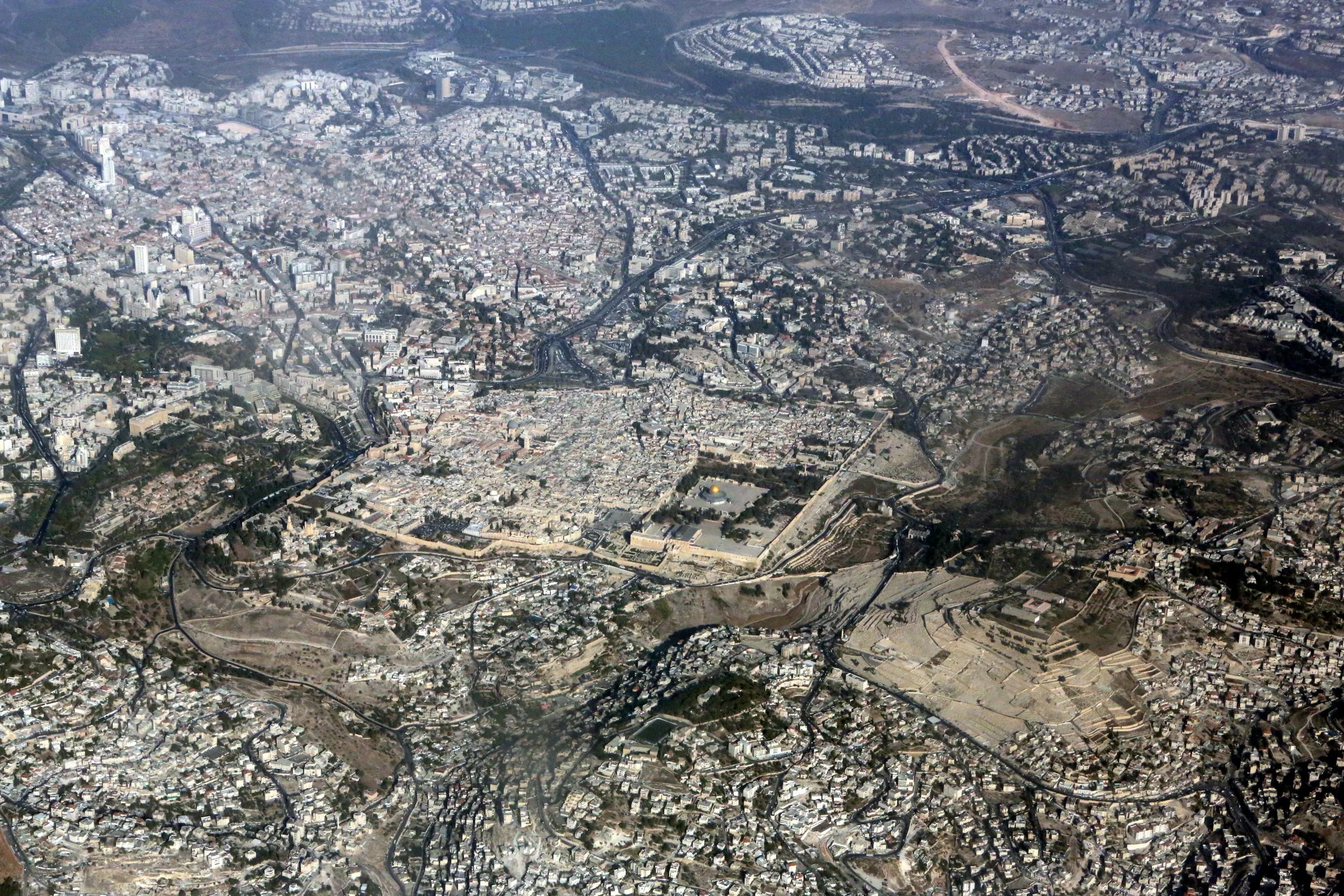
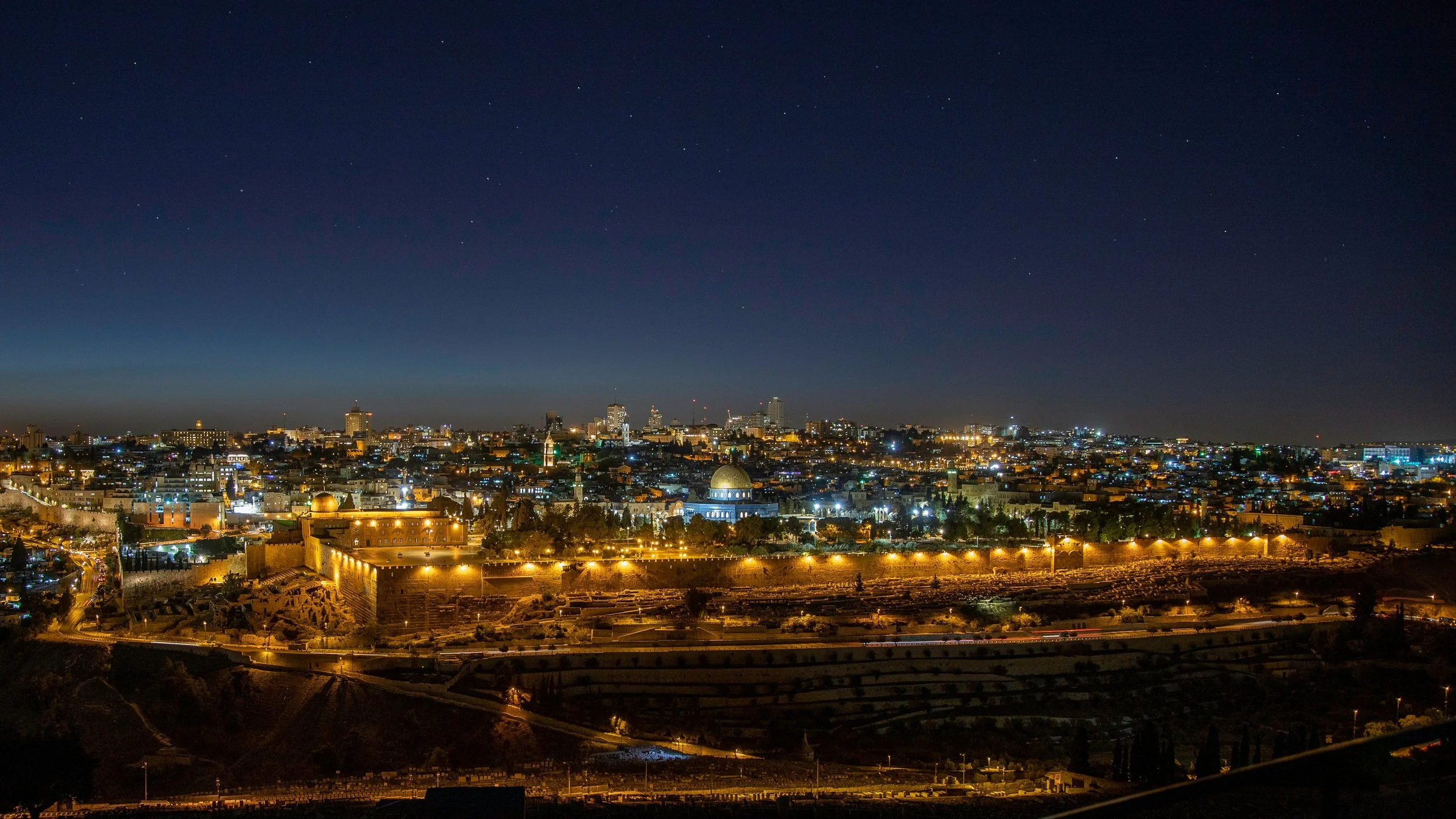
Are the tourist sites in the Old City of Jerusalem open?
+
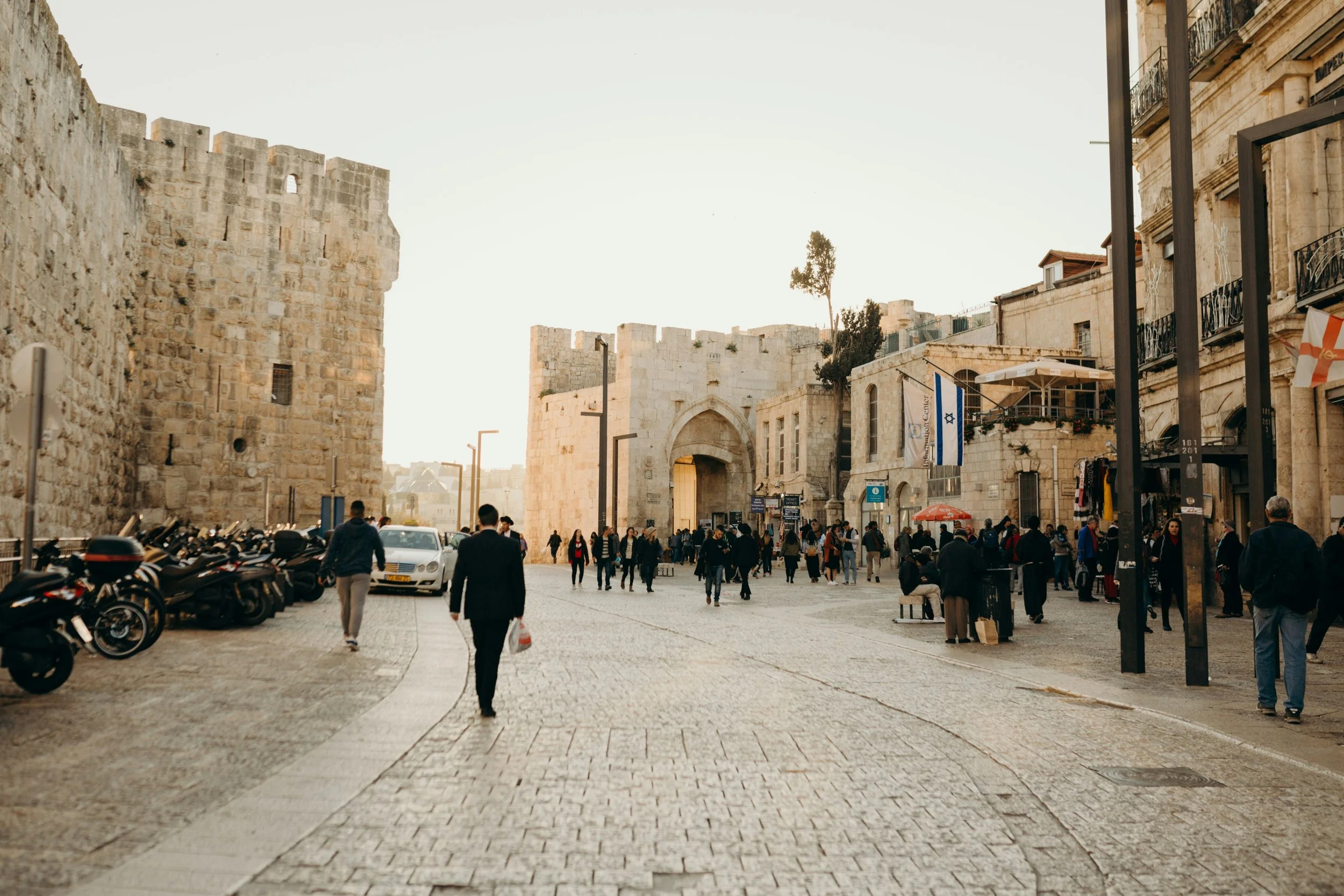
Yes, most major religious sites are currently open to tourists. However, security presence is significantly higher, and you should be prepared for frequent bag checks and localized closures depending on the daily situation.
How can I track real-time security alerts in Israel?
+
The Home Front Command (Pikud HaOref) app is the official source for alerts. It uses GPS to notify you of any local threats. Visit the Home Front Command website to download the app.
Does travel insurance cover trips to Israel during a conflict?
+
Standard policies often exclude acts of war. It is essential to look for "Cancel for Any Reason" (CFAR) coverage or specialized high-risk travel insurance to ensure you are protected during periods of regional tension.
Is it safe to take public buses and trains during the current situation?
+
Public transportation is operating with increased security and is generally safe to use. Some routes near border regions may be diverted; check the latest public transport updates for more info.
Are there bomb shelters in Israeli hotels?
+
Yes, modern Israeli hotels are legally required to have shelters. Most will have a reinforced room (Mamad) on every floor or a central shelter in the basement clearly marked for guests.
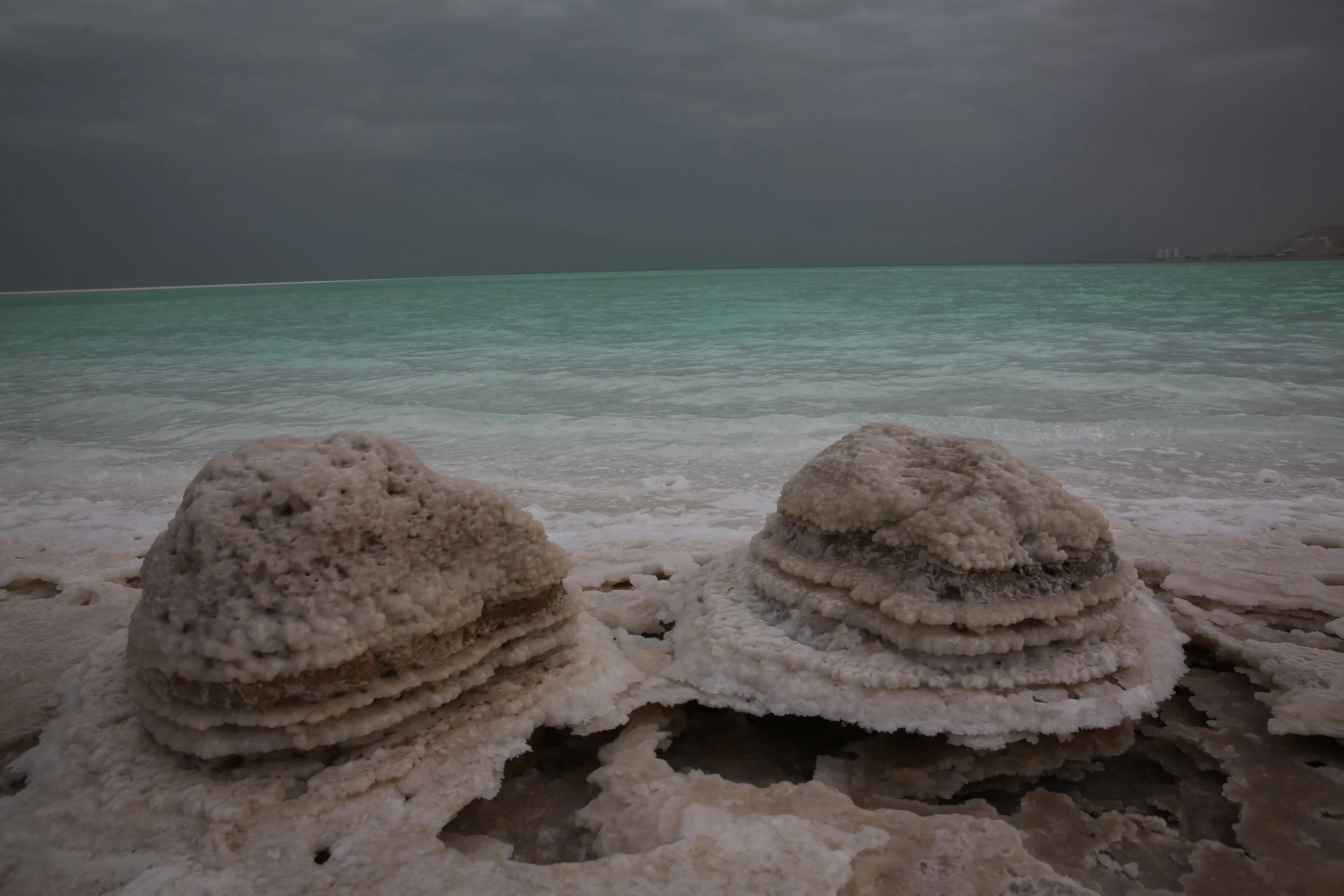
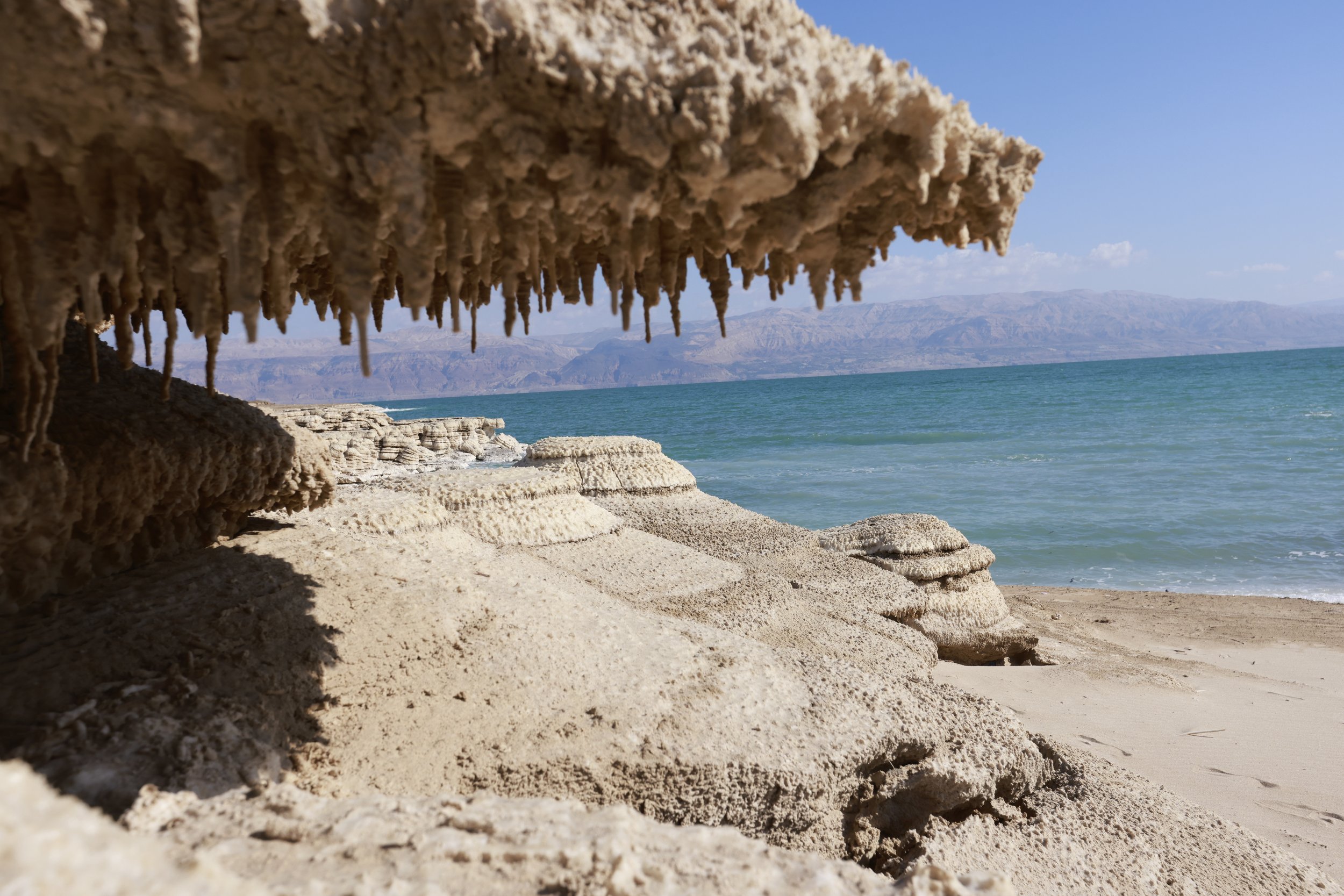
Can I still visit the Dead Sea or Masada right now?
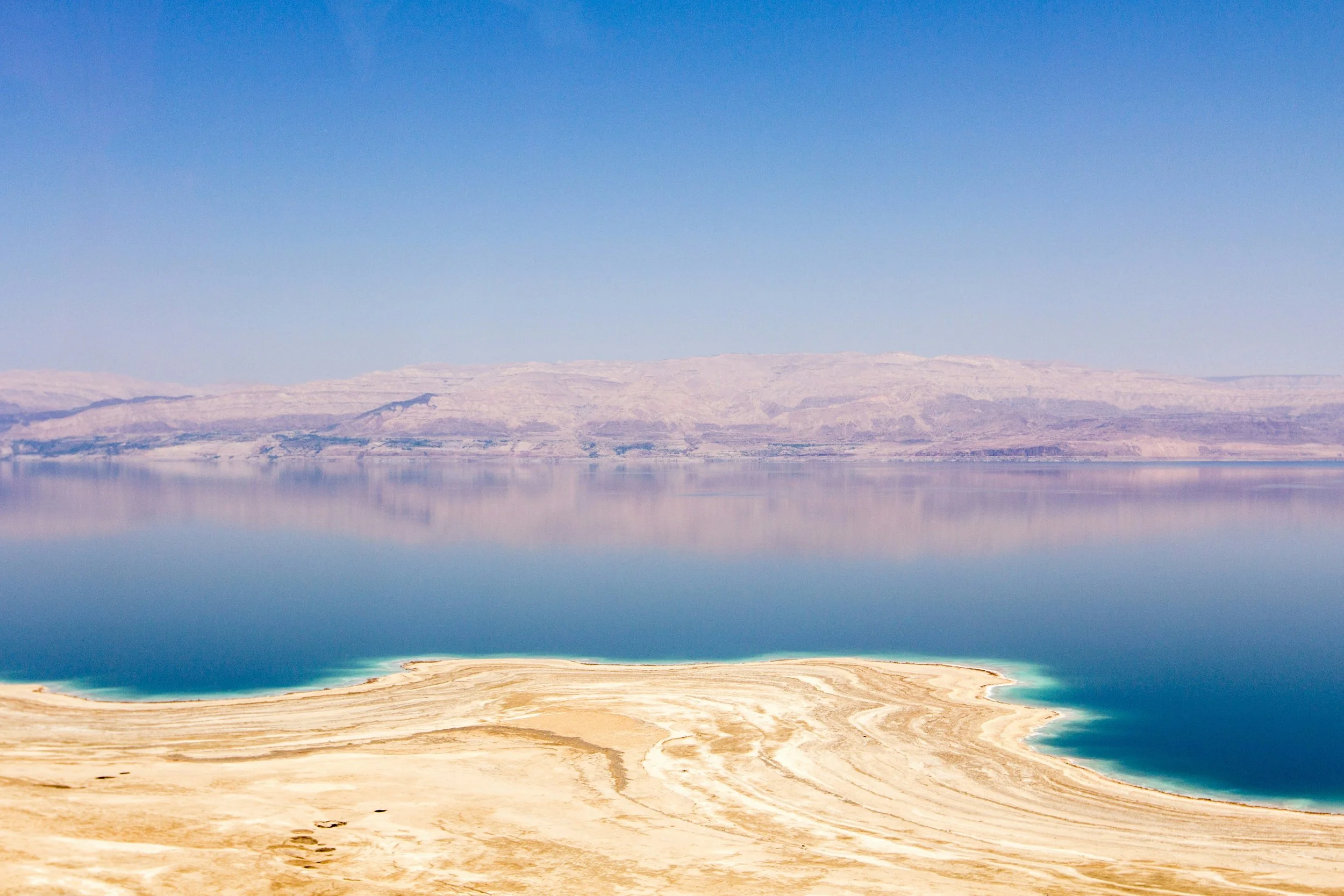
+
These sites are currently open and considered safe for visitors, though it is recommended to travel with a guide and stay on main highways. Avoid secondary roads that pass through high-friction areas in the West Bank.
What is the current "State of Emergency" status for tourists?
+
A "State of Emergency" allows authorities to issue rapid safety orders. It does not stop tourism but requires visitors to stay vigilant. See our International Travel Advice for Israel for a full breakdown.













Explore Israel