Khirbet Qeiyafa: Israel’s Hidden Biblical Fortress
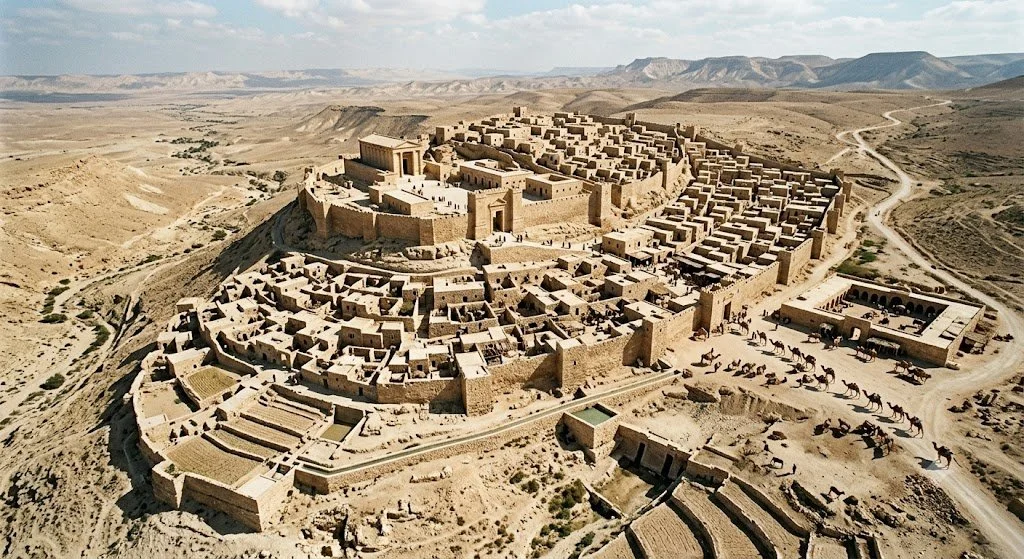
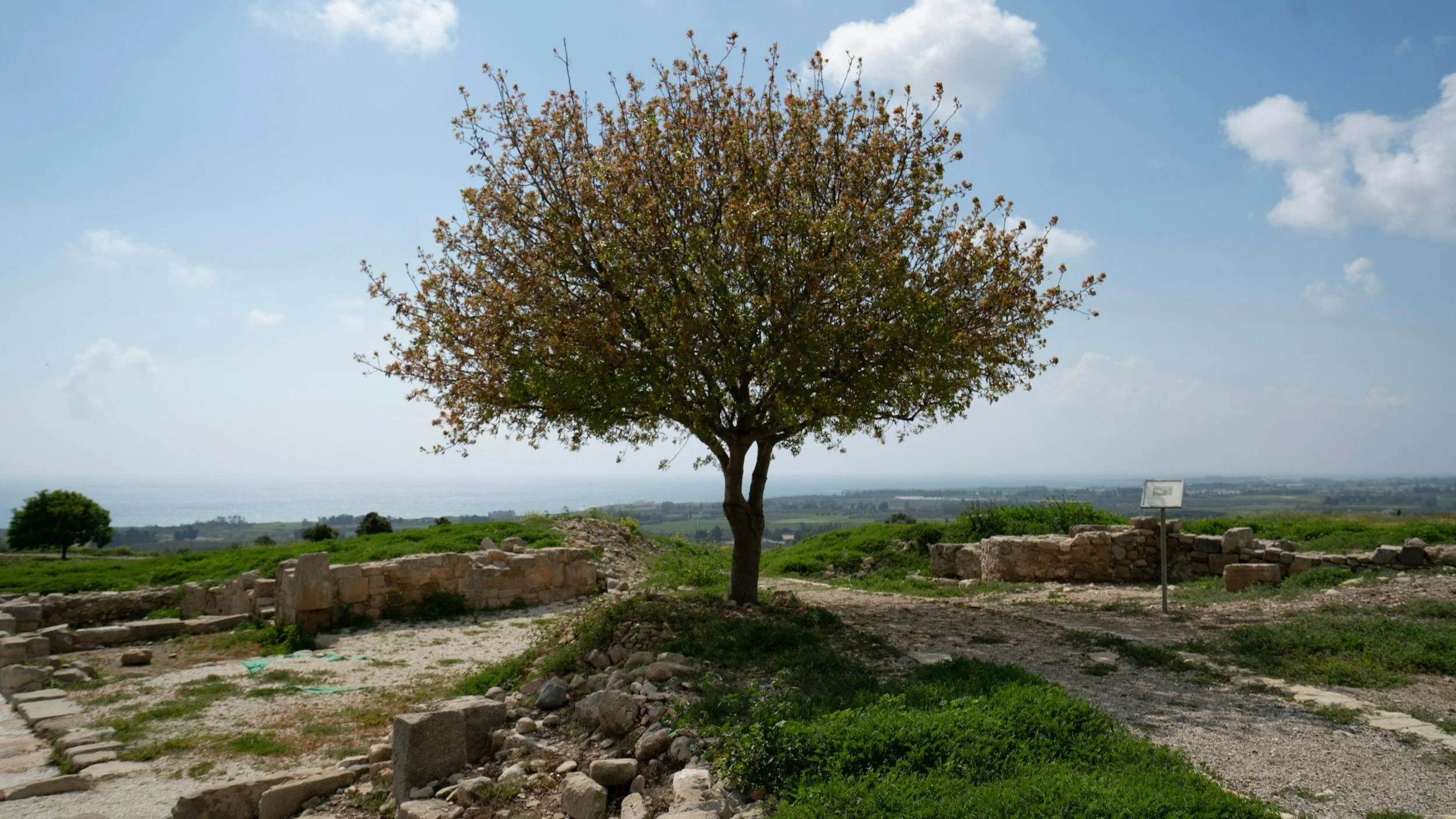
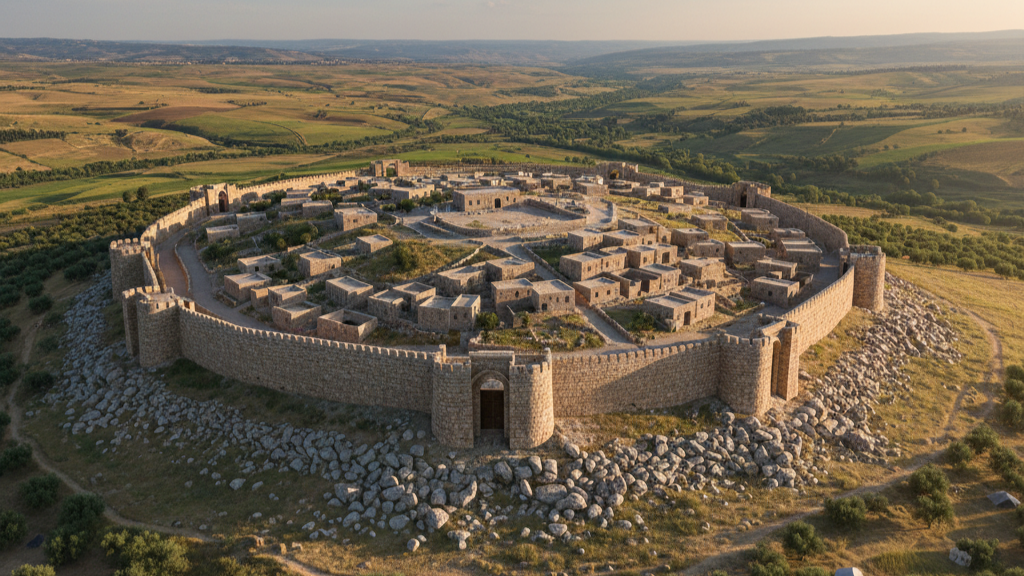
Nestled on a strategic hilltop overlooking the Elah Valley near Jerusalem lies Khirbet Qeiyafa, a fortress city of exceptional archaeological and historical significance. Discovered and excavated starting in 2007, this site is unique as a well-preserved, single-period Iron Age city dated to the early 10th century BCE.
It offers rare and valuable insights into the biblical era traditionally associated with the kingdom of King David. This city, located in the border region between the Judean hill country and Philistine territory, is remarkable for its massive fortifications and evidence of early organized Judahite society.
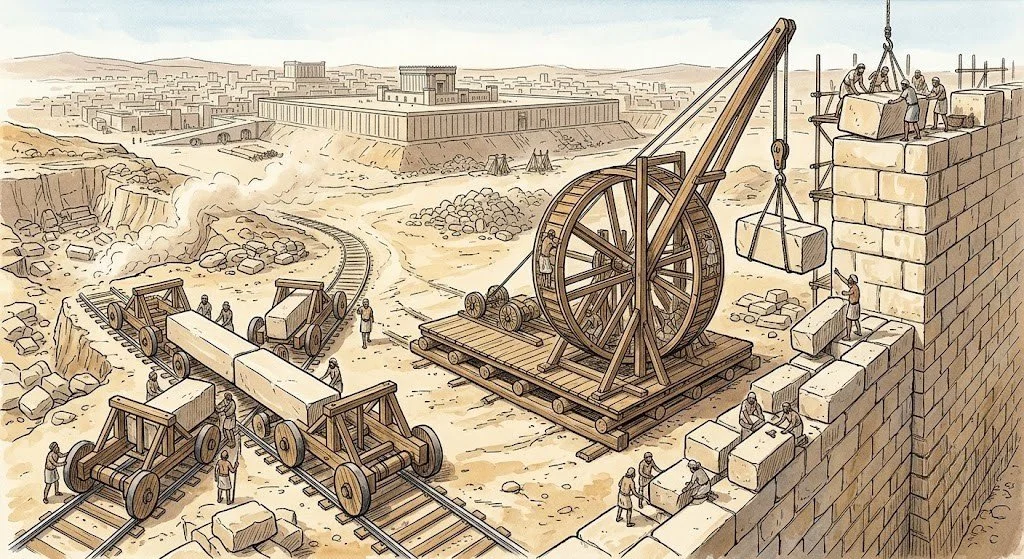
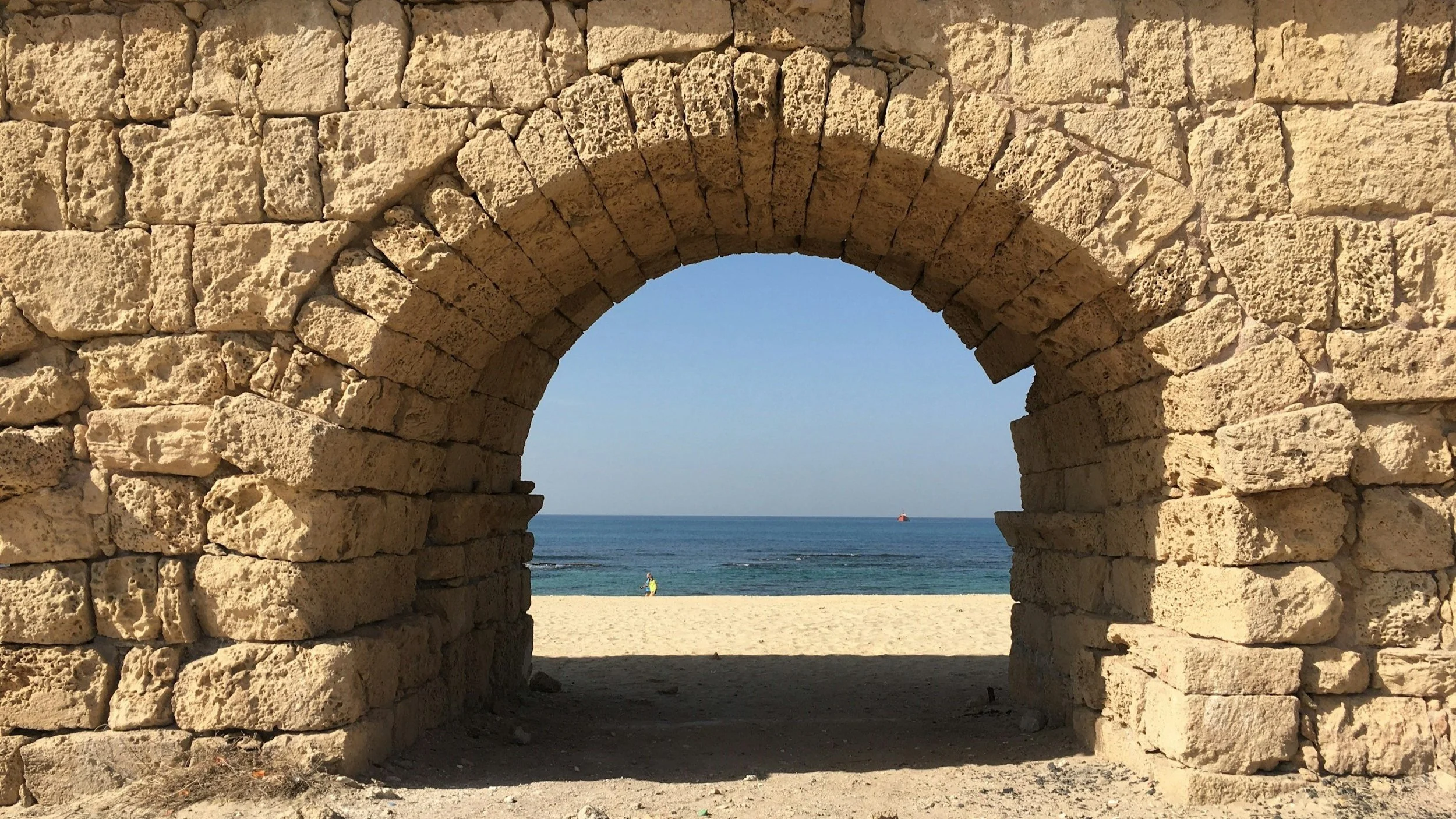
Khirbet Qeiyafa is encircled by defensive walls stretching nearly 700 meters, constructed from large field stones, some weighing up to eight tons. The site features two large four-chambered gates — architectural features rare in Israel from this period, underscoring the city’s strategic and administrative importance.
Covering about six acres, the city’s sudden destruction and abandonment have left it untouched for centuries, allowing archaeologists an unprecedented unfiltered glimpse into urban life in the early biblical monarchy. This makes it a pivotal site that sheds light on the emergence of state-level governance and urban planning in ancient Judah.

Among the most compelling discoveries at Khirbet Qeiyafa are inscriptions found on pottery shards, dating back to the 10th century BCE. These early Hebrew scripts are among the oldest ever uncovered and include texts advocating justice and social responsibility, such as protection for widows, orphans, and the poor.
Such texts suggest a sophisticated legal and social system consistent with biblical themes and indicate the presence of a literate, centralized authority. This further aligns the site with the period of King David and his kingdom’s establishment.
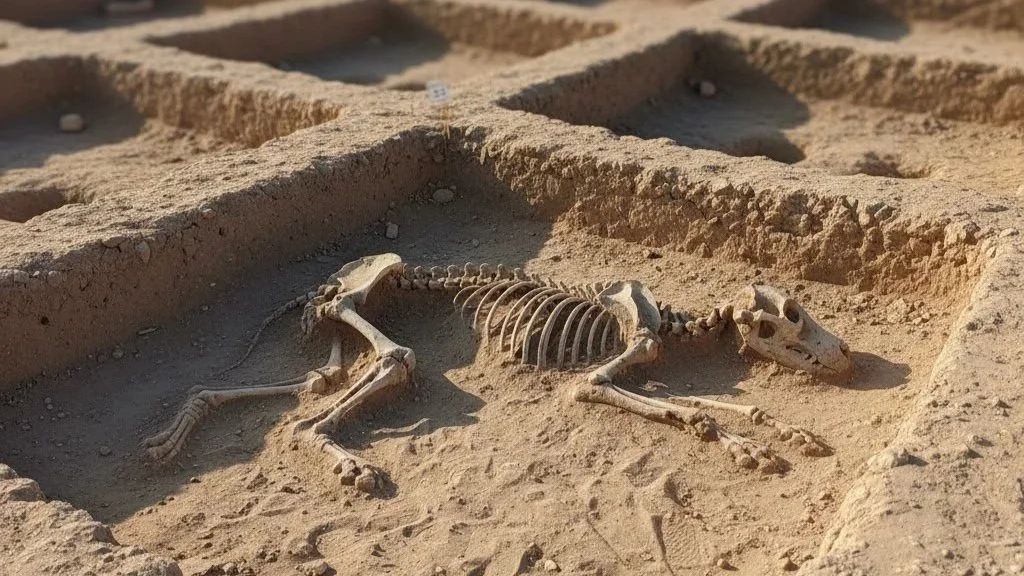
Excavations have also revealed a rich array of artifacts that illustrate the cultural and daily life of the city’s inhabitants. Pottery vessels, weapons, and cultic objects, including standing stones, basalt altars, and portable shrines, point to religious practices and ritual observances central to the Judahite identity.
Notably, the absence of pig bones in the dietary remains confirms Israelite dietary customs, distinguishing the city’s population from neighboring Philistine or Canaanite groups. These findings collectively affirm Khirbet Qeiyafa as an important Judahite center, reflecting distinct cultural and religious traditions.
Khirbet Qeiyafa’s significance extends beyond its archaeological remains; it occupies a storied place linked to biblical narratives. The nearby Elah Valley is famously known as the battleground where the young David defeated Goliath, a momentous episode highlighting the region’s strategic and symbolic role in Israelite history.
The fortress likely served to guard the critical route between the Judean hills and the coastal plains held by the Philistines. Its position and features embody the broader political-military tensions and developments during the formative years of Israel’s monarchy.

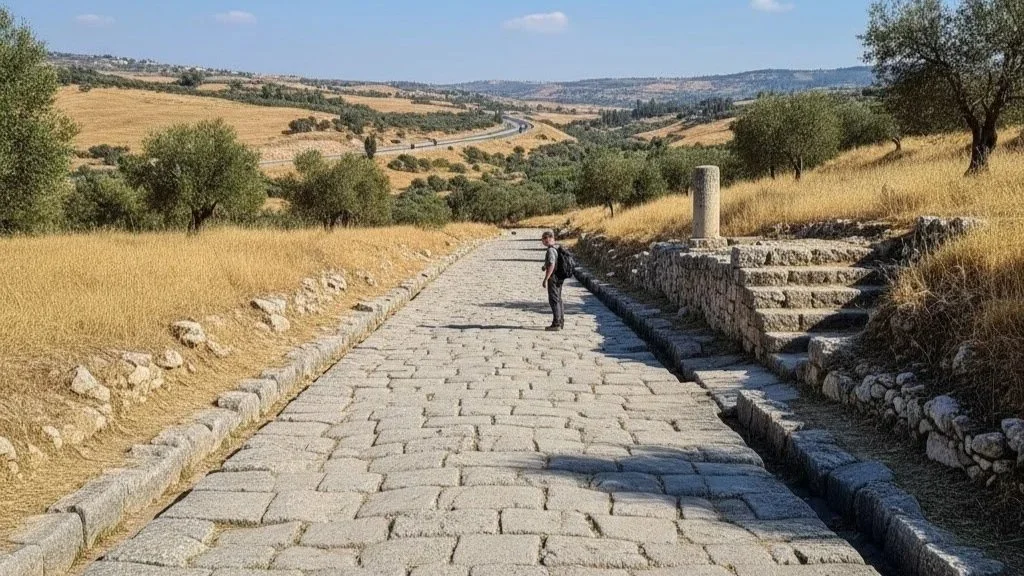
For travelers and history enthusiasts visiting Israel, Khirbet Qeiyafa offers a compelling journey into the past. The site, accessible via a dirt road from nearby Route 38, is open year-round and free of charge.
Exploring Khirbet Qeiyafa alongside the natural beauty and historical richness of the Elah Valley provides an immersive experience that connects visitors to the ancient world of biblical kingdoms, archaeology, and enduring cultural heritage. This hidden fortress stands as a testament to the sophisticated civilization that flourished at a pivotal chapter in Israel’s history.
No ads, no commercials, just high-quality content.
If you find our work valuable, we would be grateful for your support. Your contribution helps us continue our mission of providing high-quality content and sharing it with an even wider audience. Support Our Mission