The Great Reset: From Rosh Hashanah to Yom Kippur
The autumn season in Israel usher in a transformative period that reshapes the entire cultural and physical landscape of the country. Known collectively as the High Holy Days, this stretch of the Jewish calendar is anchored by two monumental milestones: Rosh Hashanah, the Jewish New Year, and Yom Kippur, the Day of Atonement.
Rather than operating as isolated holidays, these occasions serve as the bookends of a structured, ten-day psychological and spiritual alignment. For travelers and cultural enthusiasts, understanding this period offers profound insight into ancient traditions that continue to dictate the rhythm of modern Israeli life.
This internal and societal recalibration is designed as an annual mechanism for personal growth, accountability, and renewal. Throughout these ten days, known traditionally as the Days of Awe (Aseret Yemei Teshuvah), the atmosphere shifts from celebratory reflection to deep introspection. Businesses adapt, communities gather, and an unmistakable sense of collective pause settles over the nation.
Navigating Israel during this high-stakes cultural window requires careful planning, but it rewards visitors with an unparalleled look into the living heritage of the region. From the resounding echoes of the shofar in Jerusalem to the eerie, captivating silence that envelops Tel Aviv, the ten-day alignment stands as one of the most powerful annual events on the globe. Understanding the sequence of these days allows outsiders to appreciate the profound intersection of history, sociology, and communal identity.

Rosh Hashanah: The Alarm of the Soul
Rosh Hashanah marks the official commencement of this transformative cycle, serving as both the Jewish New Year and the anniversary of the creation of humanity. Historically rooted in biblical text, the holiday shifts the focus away from superficial celebrations and instead emphasizes universal accountability. It introduces a solemn yet optimistic atmosphere, establishing the baseline for the entire ten-day alignment that follows.
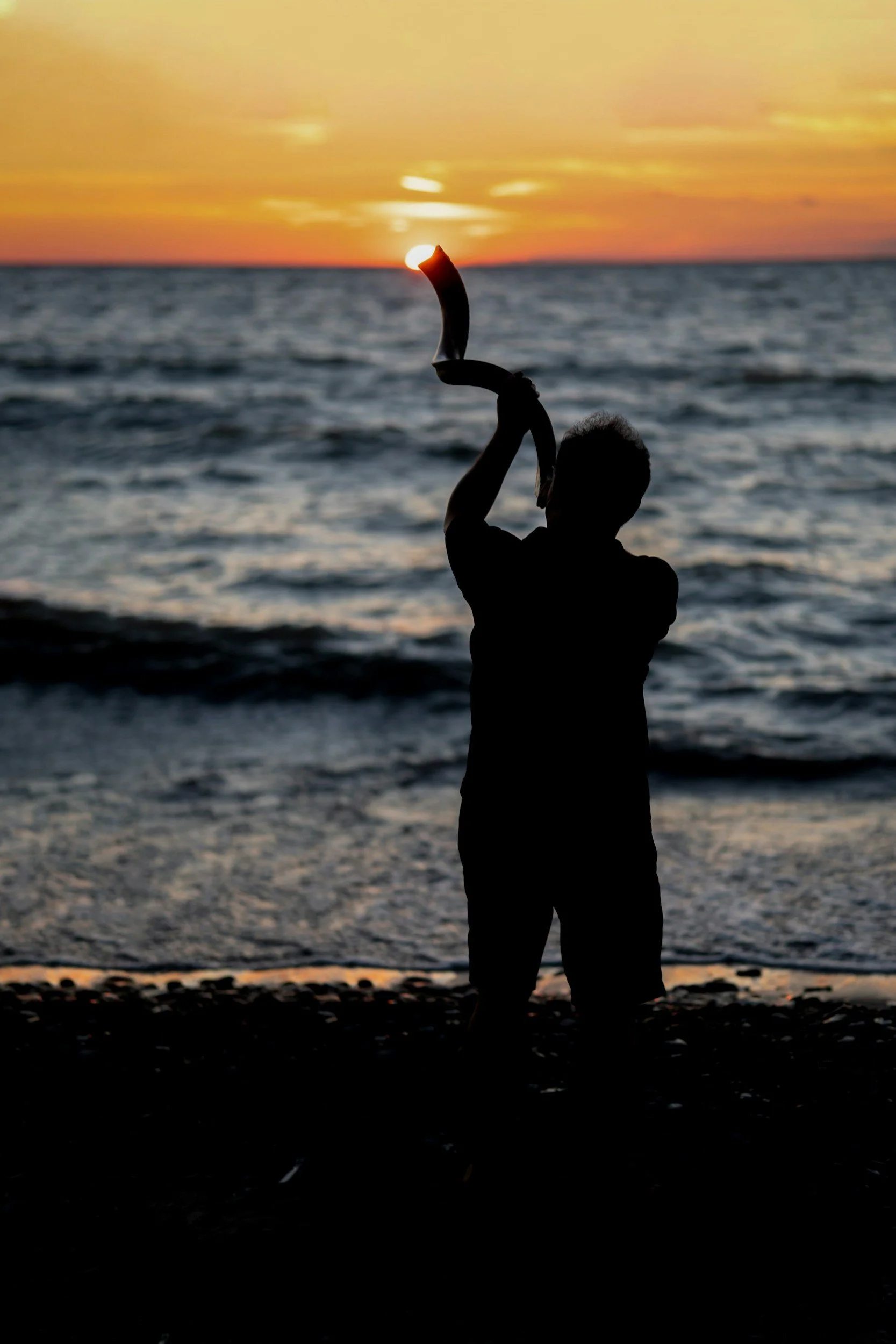
At the absolute center of the Rosh Hashanah experience is the sounding of the shofar, an ancient musical instrument fashioned from a ram’s horn. Far beyond a simple ritualistic artifact, the shofar functions as a psychological alarm system. Its piercing, fractured notes are designed to break through the monotony of daily routine, shattering complacency and forcing individuals to confront their personal trajectories. The raw, unamplified sound demands immediate presence, acting as a clarion call for self-examination.
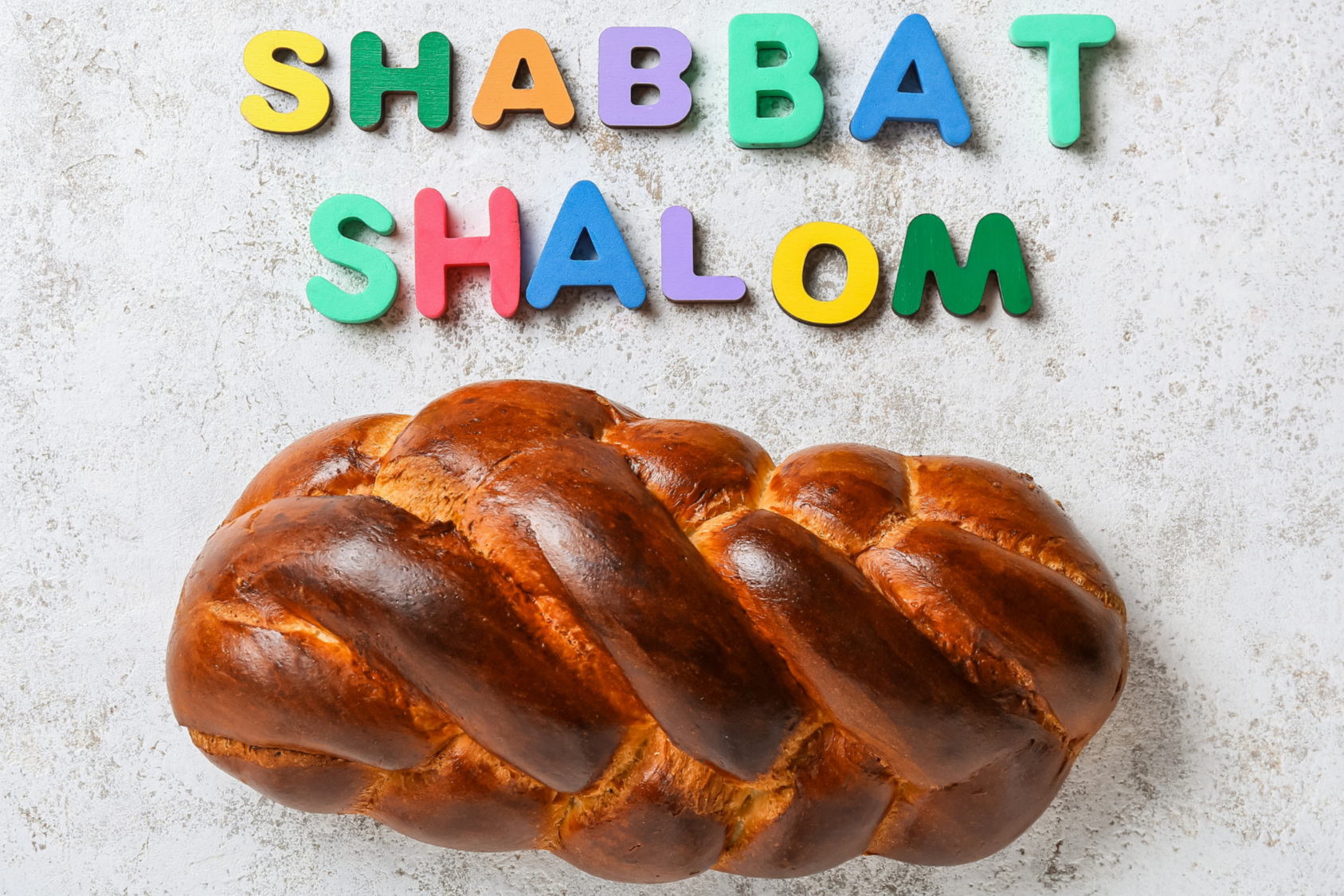
The culinary traditions of the holiday further reinforce its core philosophy. Tables across the country feature symbolic foods, most notably apples dipped in honey to represent hope for a sweet year ahead, and round challah bread, which symbolizes the cyclical nature of time and life. This blend of sensory triggers—the visceral blast of the horn and the deliberate sweetness of the festive meals—creates a comprehensive cultural framework that prepares the community for the challenging work of the upcoming days.
Yom Kippur: Total Detox and the White Canvas
The ten-day alignment reaches its ultimate climax with Yom Kippur, an event that produces one of the most extraordinary cultural phenomena in the modern world. For twenty-five hours, the entire State of Israel undergoes a complete logistical and sensory shutdown. Airports close, public transit grinds to a halt, television broadcasts cease, and motorized vehicles vanish completely from the highways.
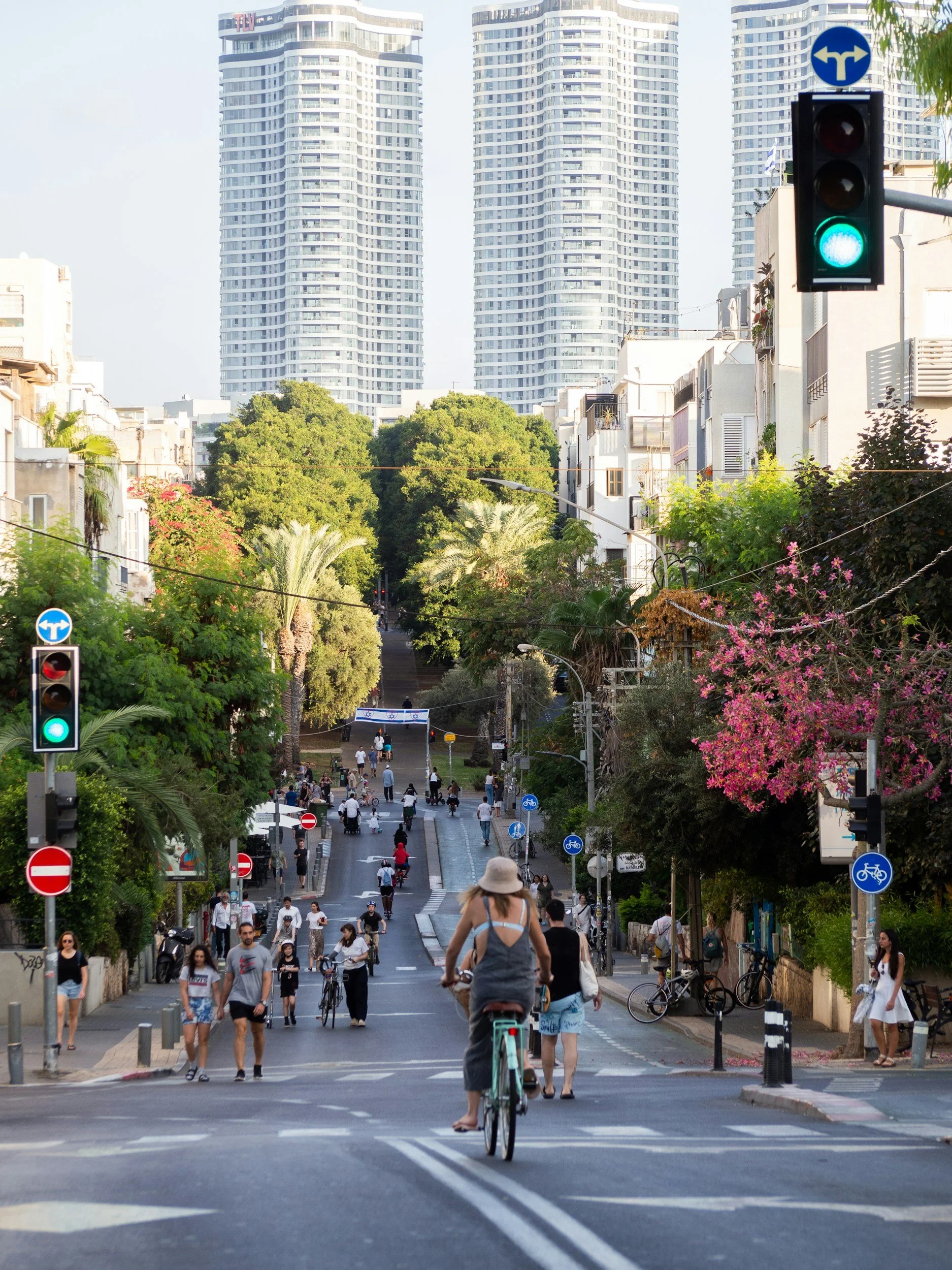
In place of traffic, the streets are transformed into vast pedestrian walkways. Tens of thousands of people, regardless of their personal level of religious observance, pour into the empty asphalt arteries of cities like Tel Aviv and Jerusalem. Dressed overwhelmingly in white clothing—a traditional symbol of purity, equality, and a desire for a clean slate—citizens walk, converse, and experience their urban environments in absolute quiet.
Cultural Note: The near-total absence of vehicular traffic on Yom Kippur creates an unprecedented drop in urban air and noise pollution, offering a literal and environmental manifestation of the holiday's themes of purification and rest.
Simultaneously, the practice of a strict twenty-five-hour fast serves as a radical physical and psychological detox. By intentionally disconnecting from the baseline demands of the physical body—food, drink, and material comforts—individuals shift their entire focus toward intellectual and spiritual stock-taking. The fast strips away distractions, leaving a quiet, internal space to process the lessons of the past ten days and to construct a clear blueprint for the future.
Cultural Anchor Points: Essential Sites and Experiences
To fully appreciate the scope of this season, several key locations and traditions offer unparalleled insight into how these days are lived out across Israel.
The Western Wall (Kotel), Jerusalem
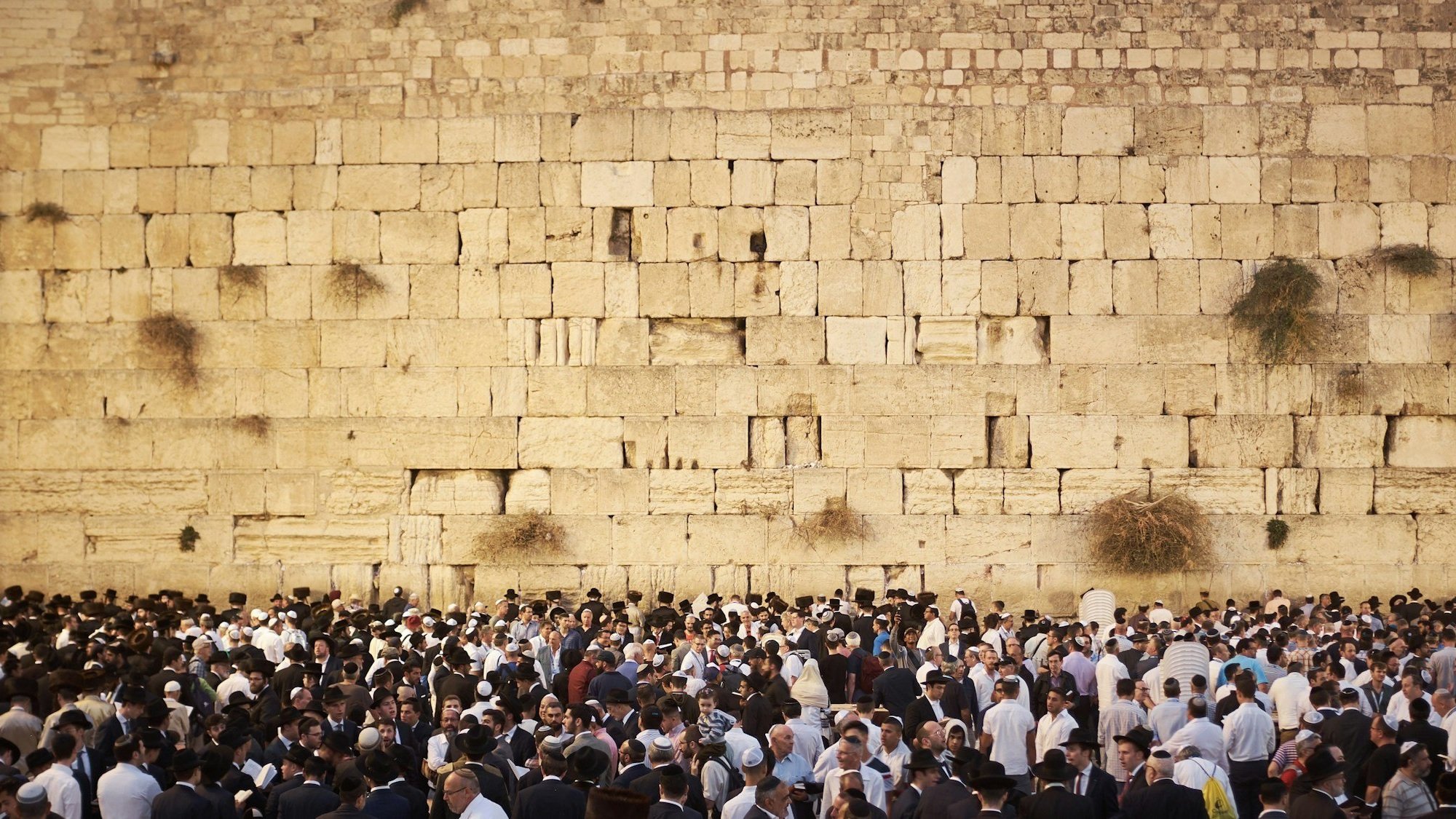
As the historic epicenter of the High Holy Day season, the Western Wall hosts massive night prayers known as Selichot (penitential prayers) during the days leading up to Yom Kippur. Hundreds of thousands of worshippers from diverse backgrounds pack the ancient plaza under the night sky, creating a thunderous, unified wall of sound.
Ideal Time to Visit: Arrive between 11:00 PM and 1:00 AM in the week directly preceding Yom Kippur to witness the peak intensity of the gatherings.
The Streets of Tel Aviv
On Yom Kippur, the coastal metropolis of Tel Aviv undergoes a surreal metamorphosis. Major highways like the Ayalon Expressway, usually choked with traffic, become completely empty. Families walk together, children reclaim the main boulevards on bicycles, and the city enters a state of profound, collective tranquility.
Specific Recommendation: Walk down Rothschild Boulevard or Ben Gurion Boulevard just after sunset as Yom Kippur begins to experience the sudden transition to total silence.
The Great Synagogue, Jerusalem
For those interested in the liturgical artistry of the season, the Jerusalem Great Synagogue offers world-class presentations of traditional Jewish cantorial music. The complex arrangements and vocal performances during the High Holy Days attract visitors from around the world.
Practical Information: Services require advanced ticket purchases for seating during Rosh Hashanah and Yom Kippur, though standing areas are sometimes accessible. Dress in formal holiday attire (modest dress, suit or smart trousers).
Machane Yehuda Market, Jerusalem
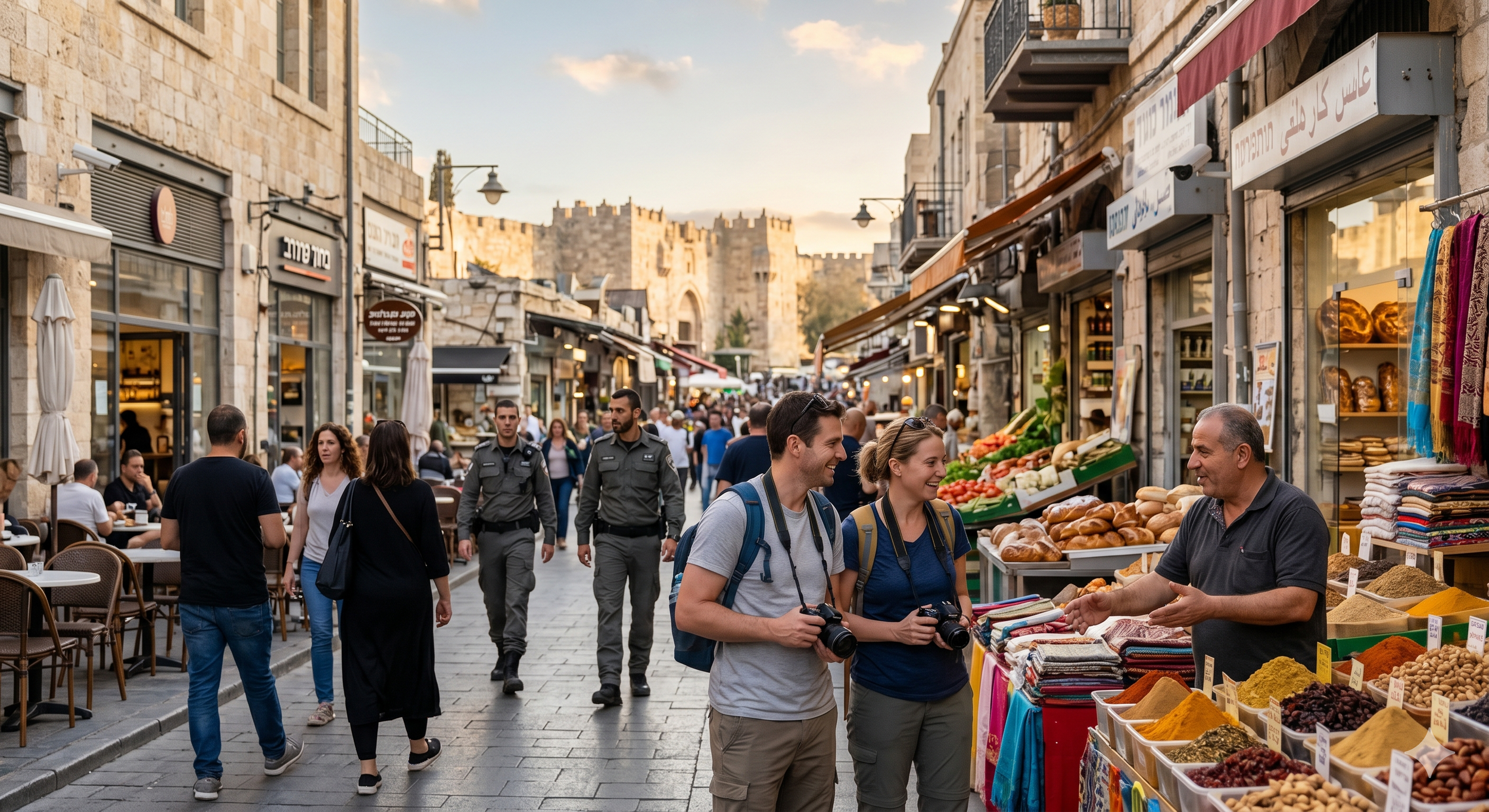
In the frantic hours leading up to both Rosh Hashanah and the pre-Yom Kippur feast, this historic market becomes a sensory overload of preparation. Stalls are piled high with pomegranates, dates, honey, and holiday baked goods as locals rush to complete their shopping.
Recommended Dish: Sample fresh round challah infused with raisins or local artisanal honey from the boutique stalls within the covered section of the market.
Ideal Time to Visit: Thursday morning or Friday early afternoon before the pre-holiday closures.
Surprising Facts of the High Holy Days
The sounding of the shofar during Rosh Hashanah involves a highly specific, standardized choreography of notes that has remained consistent for millennia, requiring a master blower to execute three distinct types of blasts. The first is the Tekiah, a long, unbroken sound that signals clarity and awakening; the second is the Shevarim, a series of three broken, sobbing notes that mirror human groaning and vulnerability; the third is the Teruah, a rapid-fire succession of nine staccato bursts mimicking a sharp alarm.
Together, these sounds are played in precise combinations throughout the lengthy synagogue services, totaling one hundred individual blasts on each day of the holiday. The physical exertion required to produce these sustained, high-pressure sounds from a natural horn is immense, often requiring years of practice and breath control. This sonic architecture is designed to guide the listener through an intentional emotional arc, moving from an initial wake-up call to deep sorrow, and finally toward a sense of triumphant resolution.
The total vehicular ban on Yom Kippur has inadvertently created a massive, nationwide cycling phenomenon known colloquially in modern culture as "Bicycle Day." Because all cars, buses, and trains are legally and culturally prohibited from the roads, children and adults treat the empty multi-lane highways and urban expressways as a massive, open-air velodrome.
Bike shops across Israel experience their highest sales volumes of the year in the weeks leading up to the holiday, scrambling to meet the demand for bicycles, skateboards, and rollerblades. This creates a fascinating secular-religious synthesis where traditional fasting and solemn prayers co-exist harmoniously with thousands of secular citizens quietly pedaling across empty concrete flyovers. It is a striking example of how an ancient religious restriction has adapted over decades to become a cherished, modern cultural tradition that unites different segments of society.
Quick Tips: Dos and Don'ts for Your Visit
Dos
Do plan all logistics well in advance. Secure accommodation, food, and walking-distance plans at least 48 hours before Yom Kippur begins, as all public services close entirely.
Do dress appropriately. If walking through neighborhoods or entering synagogues during this period, wear conservative clothing (covered shoulders and knees) out of respect for the solemnity of the season.
Do join the streets on foot. On Yom Kippur, experience the unique atmosphere by walking along major thoroughfares that are usually inaccessible to pedestrians.
Do wish locals well. Use the greeting "Chag Sameach" (Happy Holiday) for Rosh Hashanah, or "Gmar Chatimah Tovah" (May you be sealed for a good year) during the days leading up to Yom Kippur.
Don'ts
Don't attempt to drive on Yom Kippur. Operating a motorized vehicle during this time is a severe social taboo and can be dangerous, as roads are entirely occupied by pedestrians and children on bicycles.
Don't eat, drink, or smoke openly in public on Yom Kippur. Even if you are not fasting, be mindful of the millions of individuals around you who are abstaining from all sustenance.
Don't expect standard business hours. Assume that most museums, restaurants, and historical sites will close early on holiday eves and remain closed throughout the holy days themselves.
Don't forget to photograph early. Avoid using cameras, phones, or electronic devices in religious neighborhoods or near synagogues from sunset on holiday eves until nightfall the following day.
No ads, no commercials, just high-quality content.
If you find our work valuable, we would be grateful for your support. Your contribution helps us continue our mission of providing high-quality content and sharing it with an even wider audience. Support Our Mission