Is It Safe to Travel to Israel in 2026? Flights, Land Borders and Ben Gurion Airport
Published: Apr 23, 2026 - Updated: Jun 24, 2026
Choosing to visit Israel in 2026 requires a nuanced understanding of the current geopolitical climate, particularly following the heightened tensions involving regional actors. For the global traveler, the decision to visit isn't just about history or culture; it is about navigating a landscape where high-level security is a standard part of daily operations.
While the media often highlights broad regional friction, the reality on the ground is a nation operating with practiced efficiency, maintaining open corridors for tourism while ensuring rigorous safety protocols are in place for both residents and visitors.
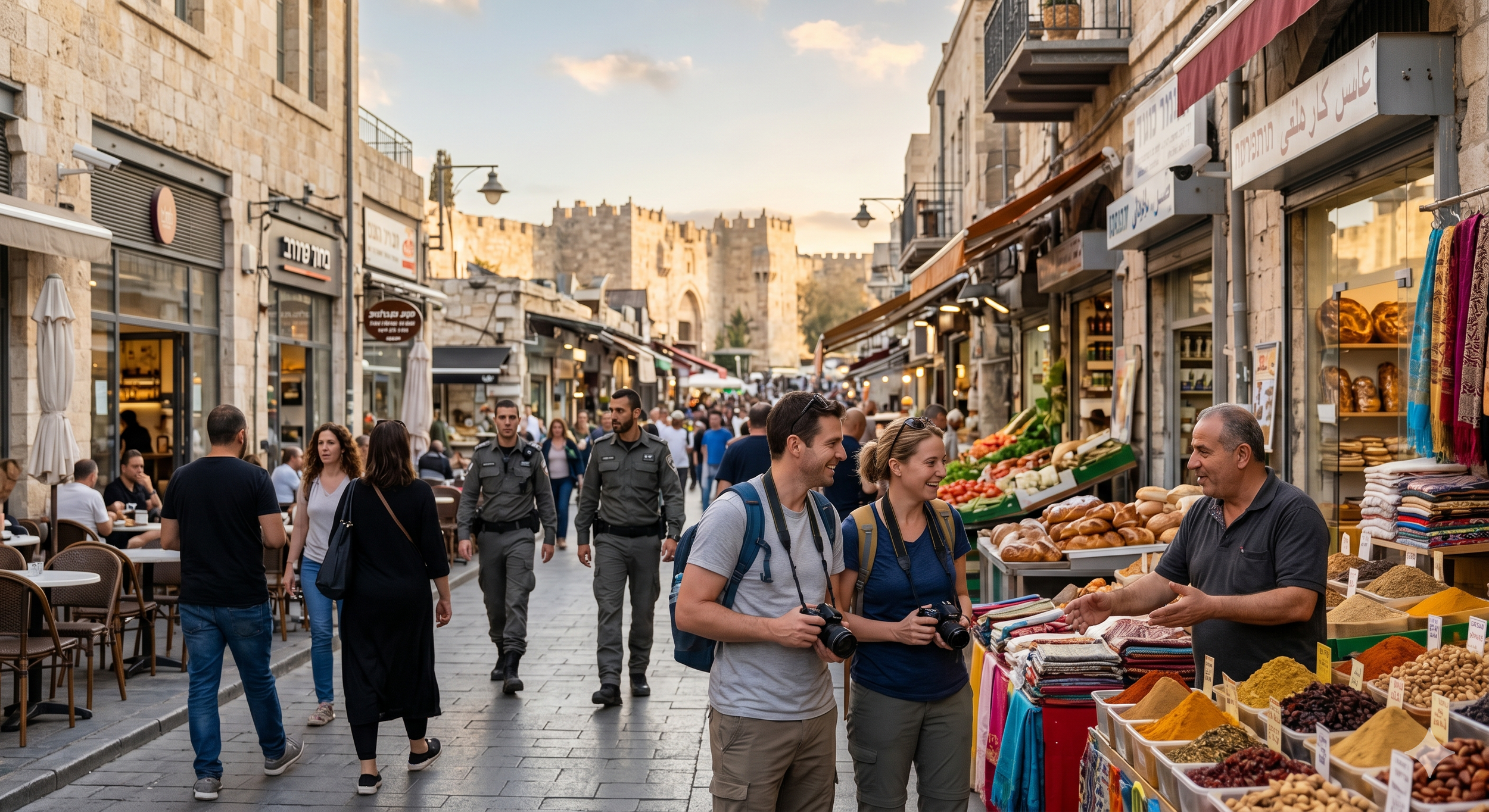
The primary question facing most travelers is the viability of personal safety during their stay. As of late April 2026, the central regions of the country, including the Tel Aviv metropolitan area and Jerusalem, continue to function as vibrant hubs of commerce and tourism.
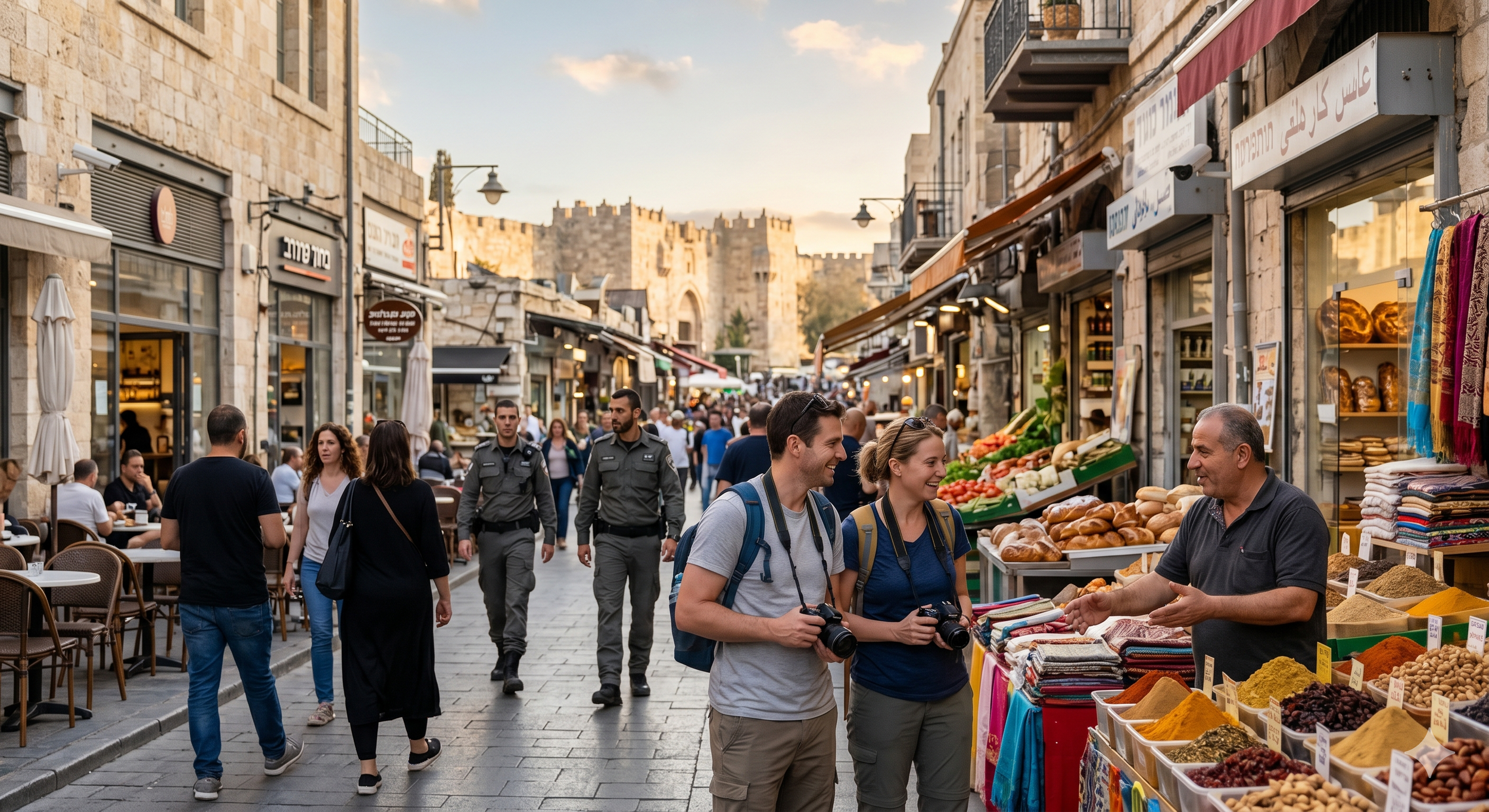
These "center-state" areas are protected by a sophisticated, multi-layered defense infrastructure that allows daily life—from outdoor markets to tech conferences—to proceed with minimal disruption. The Blog advises that while the situation remains fluid, the commitment to civilian safety remains the highest priority for local authorities.
To make an informed decision, travelers must look past headlines and examine the specific logistics of entry and movement within the country. Our team has compiled the most recent data regarding aviation, land borders, and emergency preparedness to ensure that any planned visit is backed by professional insight.
By consulting resources like the International Travel Advice for Israel, visitors can maintain a clear view of official recommendations and adjust their itineraries based on verified, real-time data rather than speculation.
Regional Safety Breakdown: Where to Go and Where to Avoid
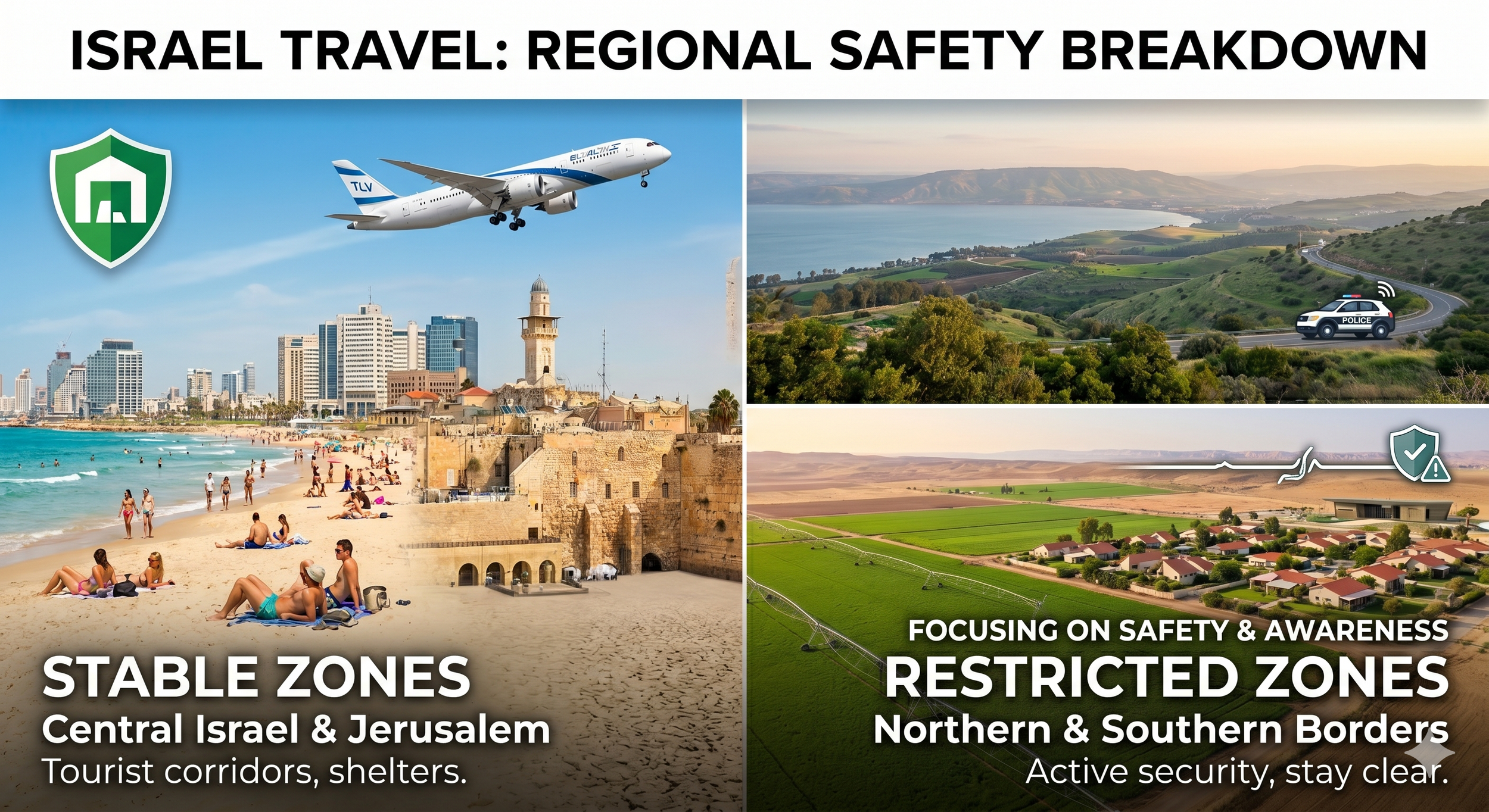
When planning an itinerary in 2026, the primary rule is to stay within the "Green" and "Yellow" zones designated by security authorities. Tel Aviv, Jerusalem, the Dead Sea, and Eilat are currently considered the safest hubs for international visitors. These cities offer robust shelter infrastructure and are far from the active border tensions.
Conversely, any travel within 4 kilometers of the Lebanese border or the Gaza Envelope is strictly prohibited for non-residents. The Blog highly recommends avoiding the West Bank at this time, as localized tensions can lead to sudden road closures and checkpoint restrictions.
The reopening of Ben Gurion Airport on April 9 has eased the pressure on land borders, but for many, entering by land remains a popular or necessary option. There are four primary land crossings currently operational, each serving a distinct entry point:
Allenby Bridge (King Hussein Bridge): Located near Jericho, this is the main link between Jordan (Amman) and the central region. Note that this crossing does not issue Israeli visas on the spot, so an ETA-IL or a pre-arranged visa is mandatory.
Jordan River Crossing (Sheikh Hussein): Situated in the North near Beit She’an, this is an excellent option for those exploring Northern Jordan before entering Israel. It is generally less crowded than Allenby.
Yitzhak Rabin Crossing (Wadi Araba): Connecting Eilat to Aqaba in the South, this is the most common route for travelers visiting Petra.
Menachem Begin Crossing (Taba): The sole gateway to Egypt (Sinai). While open 24/7, travelers should be aware of current Level 4 travel warnings for the Sinai Peninsula and are advised to travel directly from the border to major hubs.
Essential Entry Requirements: The 2026 ETA-IL Guide
As of 2026, all travelers from visa-exempt countries—including the United States, United Kingdom, Canada, Australia, and EU member states—must obtain an ETA-IL (Electronic Travel Authorization) before boarding their flight or reaching a land border.
This digital permit is valid for two years and allows for stays of up to 90 days. The application fee is 25 NIS (approximately $7 USD), and approval typically arrives via email within 72 hours. It is vital to apply at least three days before your intended travel date to avoid complications at the gate.
To ensure your security and avoid financial fraud, travelers must only use the official government portal. There has been a rise in "copycat" websites that charge exorbitant fees for the same service.
To verify you are on the right track, refer to this specific guide on how to spot an authentic Israeli government website. Remember, the official site will always end in .gov.il. Once your ETA-IL is approved, keep a digital copy on your phone, as it will be scanned upon arrival in lieu of a passport stamp.
How to Stay Safe: Using the Home Front Command App for Alerts
The Home Front Command (Pikud HaOref) App is the single most important tool for any visitor in 2026. It provides real-time, GPS-based alerts for various threats, including rocket fire, hostile aerial vehicles (UAVs), and even natural disasters like earthquakes.
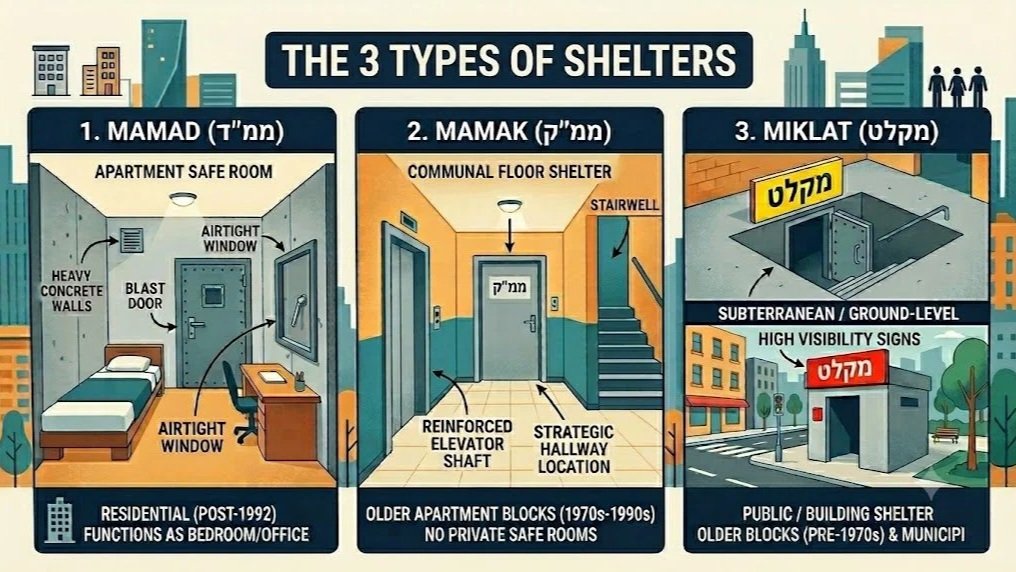
Unlike general sirens, the app sends targeted notifications only to the specific neighborhood or city where the user is currently located. This precision helps prevent unnecessary panic while ensuring you have immediate instructions on how to reach the nearest "Mamad" (fortified room) or shelter.
To use the app effectively:
Download and Install: Available on both iOS and Android. Ensure you select the English language option.
Enable Location Services: Set the app to "Always Allow" location access so it can provide alerts relevant to your immediate surroundings.
Set Areas of Interest: If you are staying in Tel Aviv but planning a day trip to Jerusalem, you can add both cities to your "Areas of Interest" to receive updates for both locations.
Configure Shabbat Mode: For those observing religious traditions, the app features a "Shabbat Mode" that displays alerts without requiring touch-screen interaction.
Fascinating Facts About Israel’s Modern Landscape
The Agricultural Miracle of the Negev
A surprising fact for many visitors is that Israel produces nearly 70% of its own food requirements despite more than half of the country being desert. This is achieved through groundbreaking "AgriTech," specifically the invention of drip irrigation, which allows crops to thrive with minimal water.
In the heart of the Negev, travelers can find "Salinity Farming" projects where tomatoes and melons are grown using brackish (salty) underground water, which actually makes the fruit taste sweeter. This technological ingenuity has turned the desert into a lush pantry, exporting premium produce globally even during the dry summer months.
The Linguistic Resurrection of Modern Hebrew
Modern Hebrew is the only example in history of a language being successfully revived from a purely liturgical and literary state to a national mother tongue. For nearly 2,000 years, it was not spoken in daily life until the late 19th century, when Eliezer Ben-Yehuda began the monumental task of creating modern words for "ice cream," "bicycle," and "electricity."
Today, the language is a vibrant, evolving vernacular spoken by over 9 million people. Walking through a Tel Aviv tech hub, one hears a language that sounds both ancient and cutting-edge, perfectly reflecting the country's dual identity.
Israel Security & Emergency Update
Status: May 2026 Post-Ceasefire Update
Is Ben Gurion Airport open right now?
+
Yes, as of April 9, 2026, Ben Gurion Airport (TLV) is fully operational and has resumed regular domestic and international flight schedules following the ceasefire. You can track all arrivals and departures on the official real-time flight board.
Is it safe to travel to Jerusalem?
+
Jerusalem is currently stable and open to tourists, though visitors should remain vigilant and avoid high-friction border areas. It is essential to follow real-time instructions via the Home Front Command app for the latest safety updates.
Do I need a visa to enter Israel in 2026?
+
Travelers from visa-exempt countries (US, UK, EU) do not need a traditional visa, but they must possess an approved **ETA-IL** before arrival. For a step-by-step application guide, see our article on How to Apply for your Israel ETA-IL Visa.
Can I cross into Israel from Jordan by land?
+
Yes, the Allenby Bridge, Jordan River, and Yitzhak Rabin crossings are all operational, though hours may fluctuate based on current security levels. For current logistics on land crossings, visit our Transportation & Logistics page.
What is the "Home Front Command" app?
+
It is the official Israeli emergency alert app that provides real-time notifications about security threats based on your precise GPS location. You can find download links and a setup guide in our Emergency Guide for Tourists.
Are public buses and trains running?
+
Yes, the high-speed train from the airport and all major bus routes are operating on their standard schedules. For more details on using public transit and payment apps, check our Israel Transportation Guide.
Should I avoid the South and Eilat?
+
Eilat is considered a safe "Green Zone" and remains a popular destination for domestic and international tourism. However, regions directly bordering the Gaza Envelope remain restricted; check our latest itineraries for safe travel routes.
Is there still a war with Iran (Operation Roaring Lion)?
+
A ceasefire was announced on April 7, 2026, leading to a significant decrease in tensions. While military alert levels remain high, travelers can monitor the latest status updates on our International Travel Advice page.
Does my travel insurance cover "Acts of War"?
+
Most standard policies do not cover conflict-related disruptions, so we recommend purchasing specialized "Cancel for Any Reason" (CFAR) insurance. Plan your travel finances accordingly with our Israel Trip Budget Calculator.
Where can I find emergency information in English?
+
The most reliable resource is our Israel Emergency Guide for Tourists, which is updated daily. This guide includes contact numbers for embassies, hospitals, and local security authorities.
No ads, no commercials, just high-quality content.
If you find our work valuable, we would be grateful for your support. Your contribution helps us continue our mission of providing high-quality content and sharing it with an even wider audience. Support Our Mission