Israel Passover Visit Traveler Guide
Israel transforms into a vibrant, unique environment during the week-long observance of Passover (Pesach), one of the Jewish calendar's major pilgrimage festivals. This period, which generally falls in March or April, commemorates the Exodus of the ancient Israelites from slavery in Egypt.
For the global tourist, being in the country during this time presents both incredible opportunities for cultural immersion and a specific set of logistical challenges that require careful planning.
Understanding the rhythm of Passover is key to a successful trip. The holiday fundamentally alters daily life, especially concerning dining, transportation, and public closures. On one hand, the spring weather is typically ideal, and the entire country is in a festive, vacation mood, which means family outings, cultural events, and high energy.
On the other, the profound religious and national observance dictates a series of restrictions and closures that travelers must anticipate to avoid disruption.
This comprehensive guide, drawn from years of professional experience covering the region, offers the objective insights necessary to seamlessly integrate into the Israeli holiday spirit. We detail the customs, explain the necessary adjustments, and spotlight positive, actionable suggestions for making the most of a visit when search demand for holiday-specific travel guidance spikes.
The most significant factor for travelers to grasp is the widespread adherence to the dietary laws of Passover, which strictly prohibit the consumption or sale of chametz—leavened or fermented grain products like bread, pasta, and most pastries. This restriction is meticulously observed across the country, influencing every aspect of the culinary scene.
The Impact on Dining and Commerce
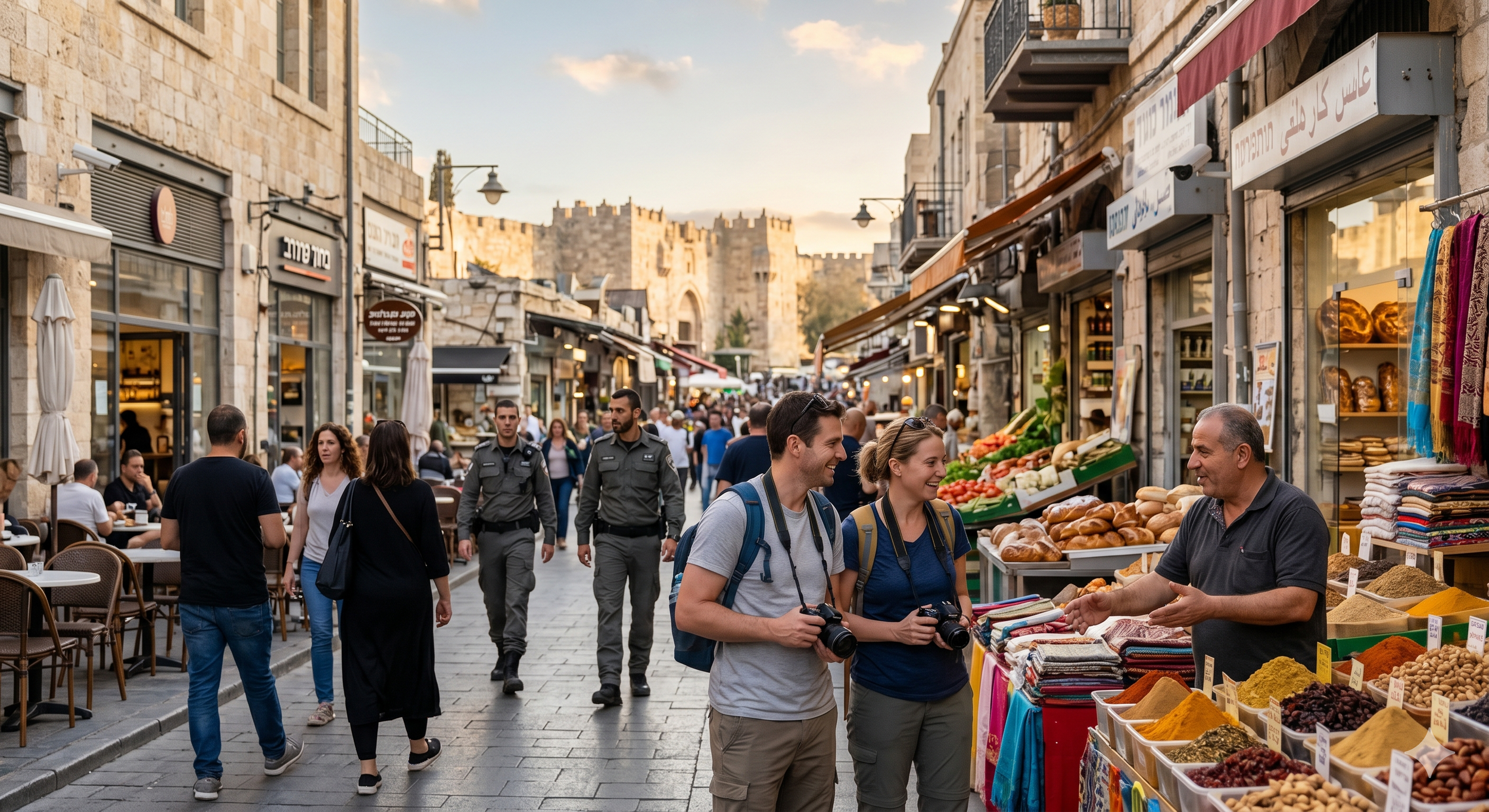
For the duration of the seven-day holiday, most major food establishments, particularly in Jewish areas, will only serve food certified as Kosher for Passover. This means traditional menus are adapted to rely on matzah (unleavened flatbread) and kitniyot (legumes, rice, and corn—though some communities avoid these as well, so it is wise to confirm). Grocery stores and supermarkets will clear their shelves of chametz or cover it entirely.
While some Arab-owned businesses and secular establishments in cities like Tel Aviv may operate as usual, a general contraction in dining options should be expected.
Public Transportation and Holiday Closures
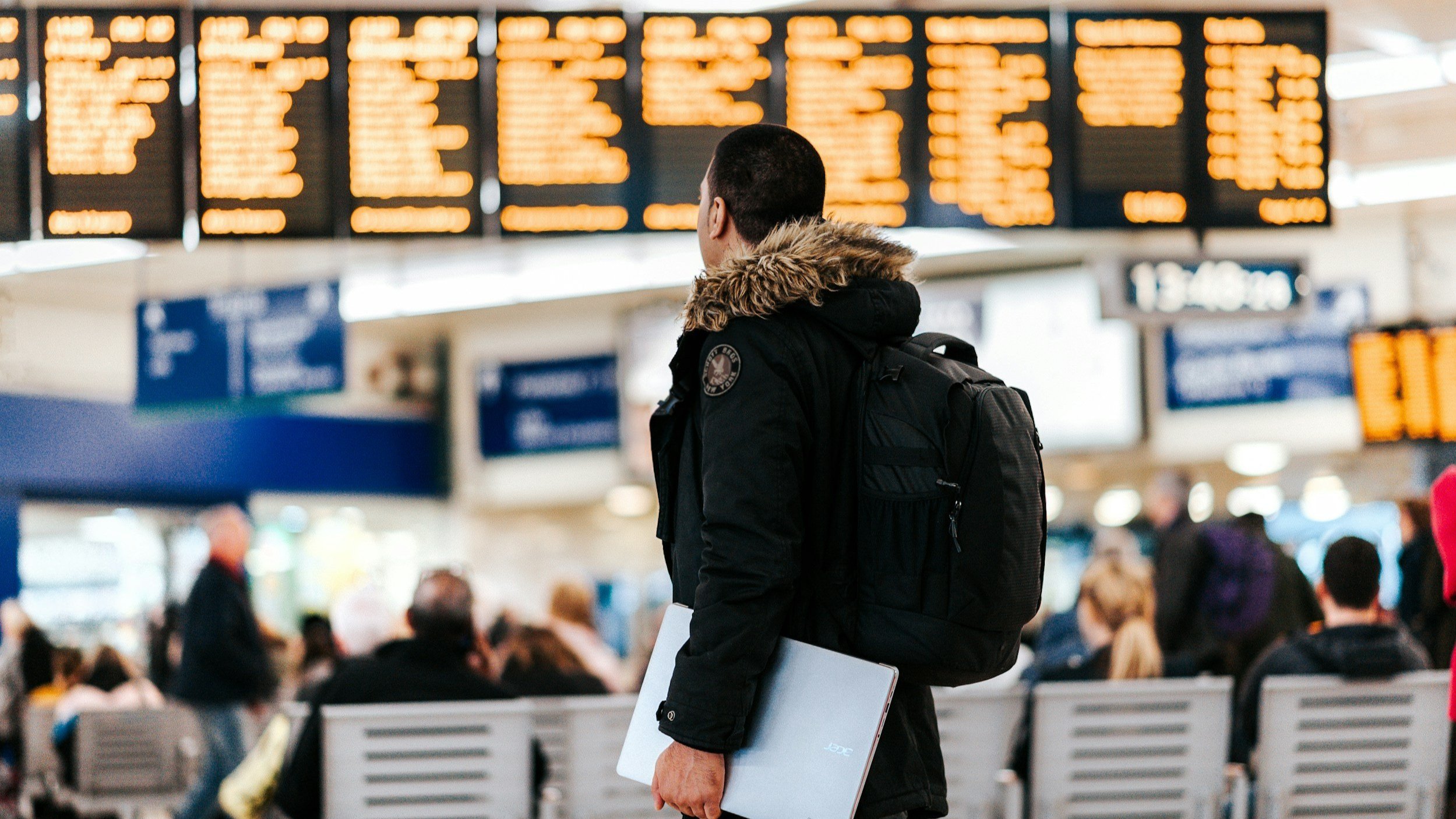
Logistically, the greatest challenge occurs on the first and last days of the holiday (Yom Tov), which are fully observed holy days. During these two days (and often the preceding evening), public transportation—including intercity trains and buses—ceases operations, much like on the weekly Sabbath (Shabbat).
Banks, government offices, and most businesses are closed. The intermediate days, known as Chol HaMo'ed, are considered semi-festive days. Many attractions, shops, and places of interest operate on abbreviated hours, typically closing early in the afternoon. Traffic during Chol HaMo'ed can be heavy, as the entire country is on school vacation and traveling to tourist sites. Pre-planning travel and ticketing is essential.
Embracing the Season's High Energy
Despite the logistical adjustments, this is a prime period for domestic tourism. Major national parks, museums, and archaeological sites are often very busy, but also host special events and activities geared towards families.
The spring weather, with warm days and cool evenings, is perfect for hiking and exploring the country’s diverse geography. Booking accommodations and tickets well in advance is highly recommended to secure favorable rates and availability.
Positive Suggestions for Your Passover Itinerary
To experience the best of Israel during this high-season holiday, we recommend focusing on sites and experiences that traditionally maintain a lively atmosphere and cater to the vacationing public.
Visit a National Park or Nature Reserve: During Chol HaMo'ed, sites managed by the Israel Nature and Parks Authority are heavily visited. Locations like Timna Park in the Arava Valley offer stunning desert landscapes and are ideal for spring weather exploration.
Practical Information: Sites typically open early (around 8:00 AM) but expect queues. Consider arriving right at opening time. Timna Park is best visited early morning for manageable temperatures before 11:00 AM.
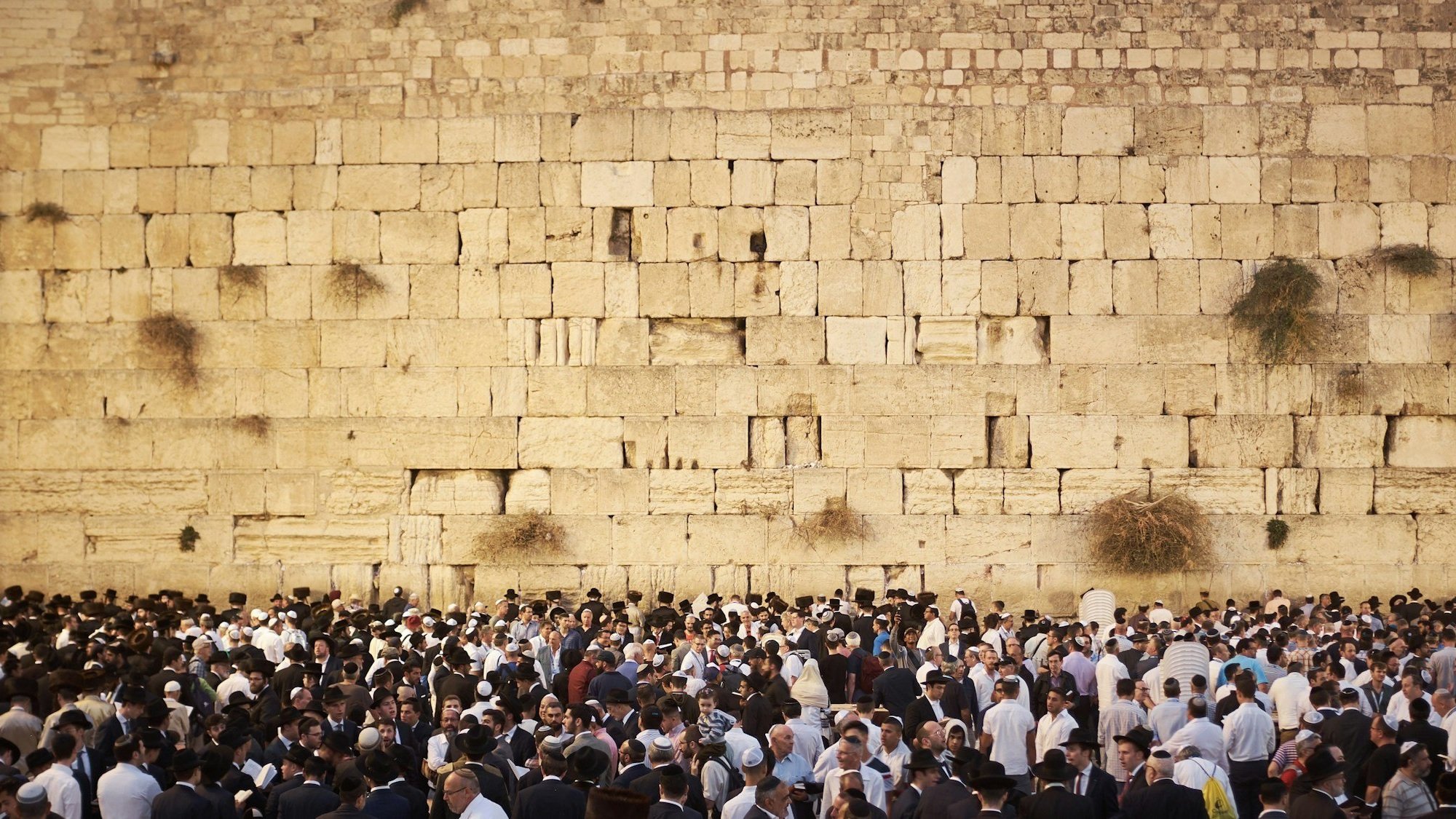
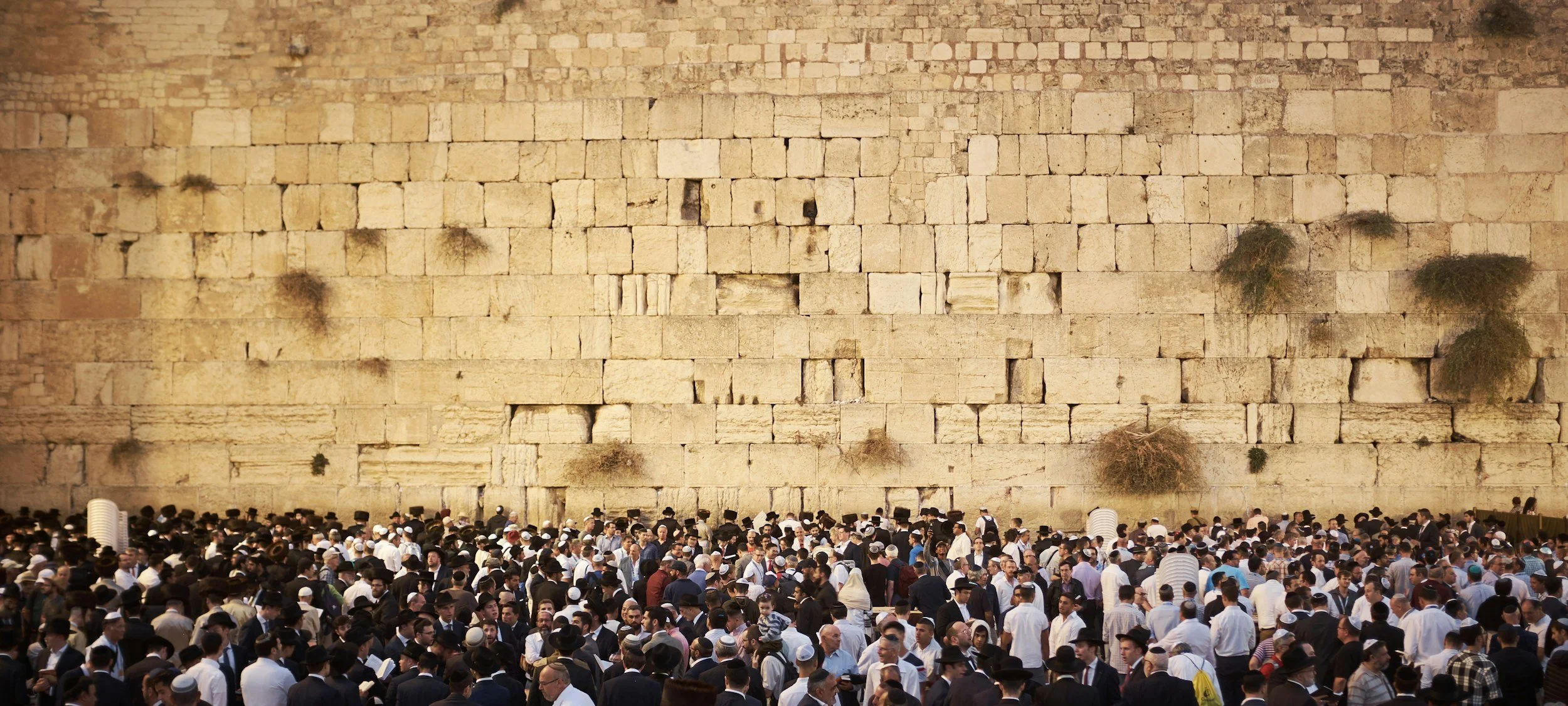
Experience the Birkat Kohanim at the Western Wall: This moving, ancient priestly blessing at the Kotel (Western Wall) in Jerusalem is recited by hundreds of Kohanim (descendants of the biblical priests) during a public ceremony, attracting tens of thousands of worshippers. It is generally held on the intermediate days of the holiday.
Practical Information: Check the exact annual date and time, as the event is often held mid-morning. Arrive several hours early to navigate the crowds and security checks. It is an extraordinary display of national prayer.
Explore World-Class Museums with Holiday Incentives
Passover falls during the Israeli school holiday, prompting many major cultural institutions to open their doors with special programs. This is an ideal time to visit institutions covering history, art, and science.
Practical Information: Always check the official website of the specific museum you plan to visit for their exact Passover opening hours, as they often differ from regular schedules. It is crucial to look for announcements regarding the annual free admission project (often sponsored by major banks or corporations), as this requires advance online registration for time slots, even if the cost is zero.
. Journey Through History at National Archaeological Sites
Beyond the flagship parks, Israel boasts a wealth of national archaeological sites, including Crusader castles, Roman ruins, and ancient citadels, which are exceptionally well-maintained and open during the holiday.
Practical Information: Plan to arrive early to mitigate the crowds and the midday heat, especially at desert sites like Masada. Carry adequate water, as queues for park facilities can be long. Pre-purchasing tickets through the Israel Nature and Parks Authority website is strongly advised to bypass ticket lines, which can save an hour or more during the peak Chol HaMo'ed rush.
. Enjoy Urban Cultural Festivals and Street Events
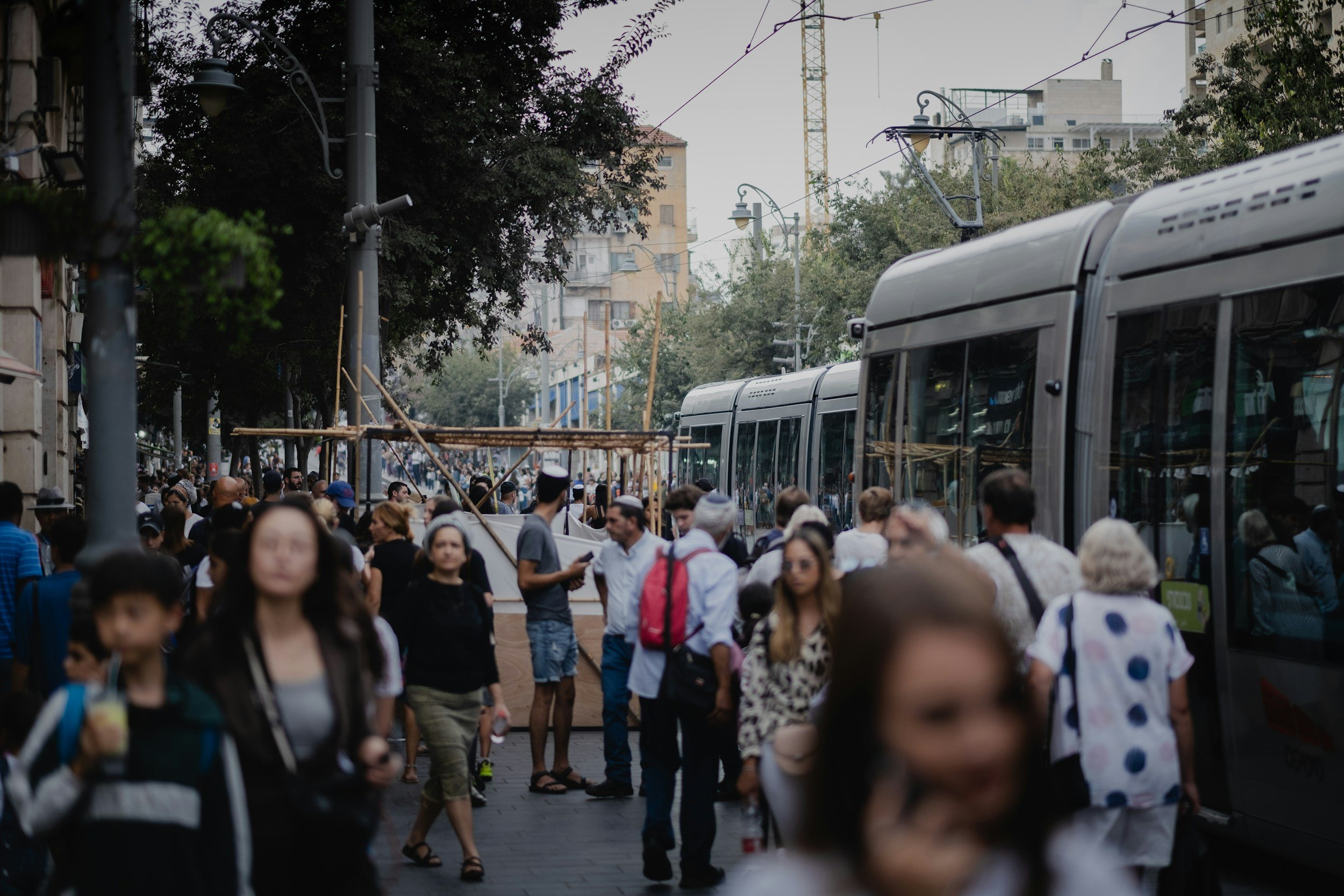
Many cities and large towns host dedicated cultural events, street fairs, and music festivals that capitalize on the school break and pleasant spring weather, offering a vibrant, contemporary glimpse into Israeli life.
Practical Information: Look up local municipal or tourism websites a few weeks before your visit for the full schedule of Passover-specific street festivals or Chol HaMo'ed happenings. These events are often free to enter but be prepared for intense crowds and traffic congestion near major venues. Public parking is typically challenging, so using a taxi or shared ride service is often the most efficient choice.
Conclusion - Visiting Israel during Passover is an immersive cultural experience, demanding both flexibility and advance planning. Travelers who come prepared for the rhythm of the holiday—accepting the shifts in dining and transportation—will be rewarded with a unique look into the nation's profound traditions and an atmosphere of communal celebration.
Quick Tips: Dos and Don'ts for Your Visit
DO
Book all accommodations, flights, and rental cars well in advance, securing your reservations early due to peak holiday demand.
Confirm the Chol HaMo'ed hours and ticketing for every attraction, museum, or site; reduced opening times are common during the intermediate days.
Check for free museum entry initiatives during Passover week and pre-register online for time slots to guarantee admission.
Pre-purchase tickets for major National Parks (e.g., Masada, Caesarea) to bypass long lines, which are a certainty during the school holiday.
Dress respectfully and modestly when visiting religious sites (including the Western Wall) or traditional neighborhoods in Jerusalem and Safed.
DON'T
Expect to find regular bread (chametz) outside of certain secular or Arab-owned establishments.
Rely on Israel public transit (buses or trains) on the first and last two days of the holiday (Yom Tov), as the service is completely suspended.
Forget to carry adequate water and use sun protection, particularly at large outdoor archaeological sites in the Negev or Galilee.
Assume all food is kitniyot-free (legumes, rice, etc.). Always explicitly confirm this detail with restaurant staff if you adhere to strict Ashkenazi customs.
Attempt to drive or park in crowded city centers during advertised Chol HaMo'ed street festivals; use taxis or shared ride services instead.
Plan a complex itinerary for the first or last day of Passover; these are full holy days requiring relaxation and adherence to closures.
No ads, no commercials, just high-quality content.
If you find our work valuable, we would be grateful for your support. Your contribution helps us continue our mission of providing high-quality content and sharing it with an even wider audience. Support Our Mission