Israeli Wines: How to Taste and Tour Like a Local
Israel’s wine scene is vibrant and growing, combining ancient traditions with modern techniques to produce some truly exceptional wines. For travelers planning a visit, exploring Israeli vineyards and wineries offers a unique way to experience both the land and its culture. This guide covers how to plan wine tours, what to expect from different regions, how kosher wines stand out, and tips for pairing wines with local cuisine to enhance your tasting experience.
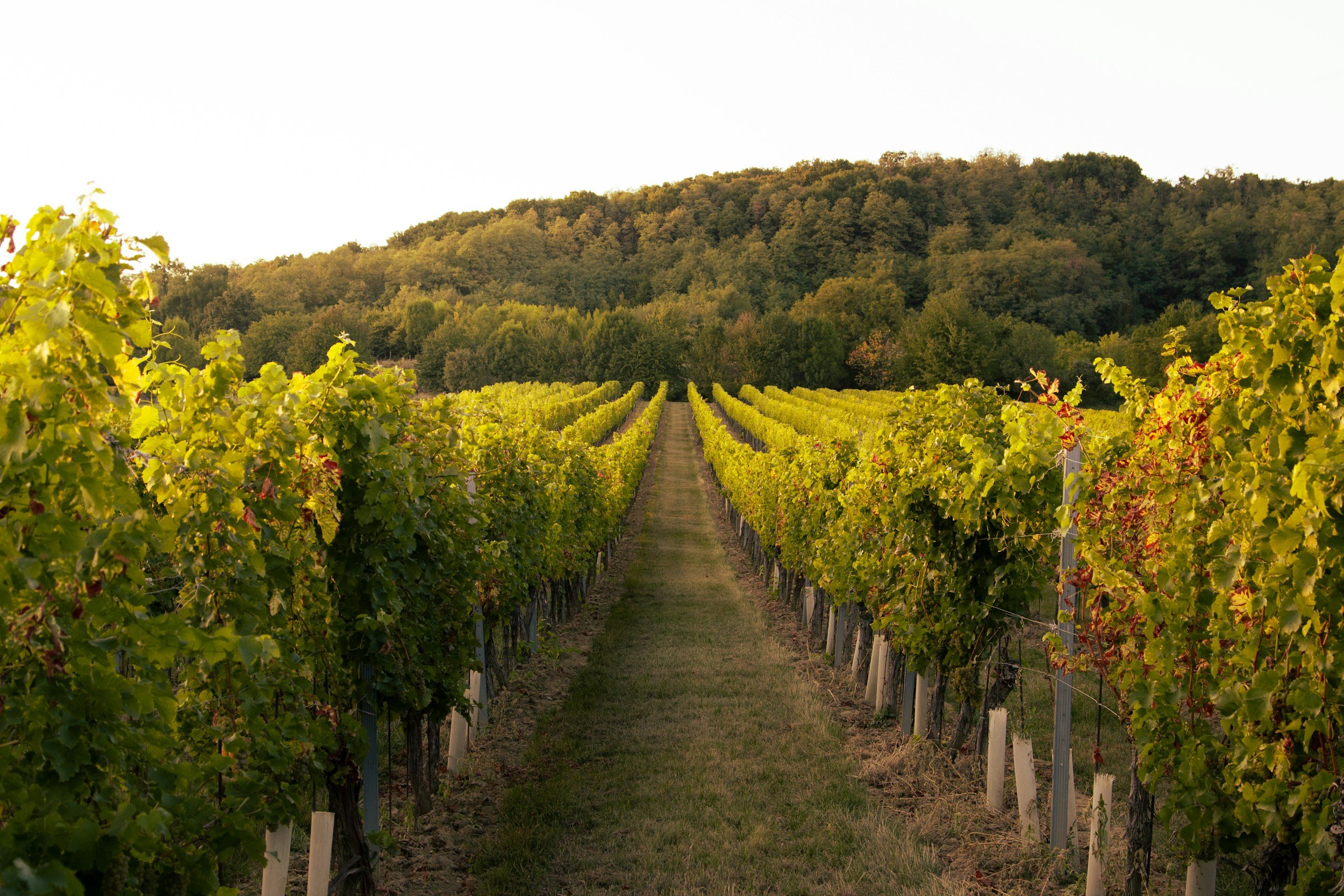
Planning your wine tour begins with choosing the right regions. The Judean Hills, Galilee, and Golan Heights are among Israel’s premier wine-producing areas. In the Judean Hills, visitors can enjoy scenic vineyards just under an hour from Jerusalem or Tel Aviv, where wineries like Tzora offer boutique tastings paired with views steeped in biblical history. The Galilee region features renowned wineries such as Tabor Winery, known for panoramic landscapes and award-winning wines, while the Golan Heights hosts producers like Golan Heights Winery and Pelter, famous for their high-altitude wines and sparkling varieties. Each region offers its own terroir and atmosphere, making wine tours there distinctive and memorable.
Kosher wine is a distinctive feature of the Israeli wine industry, accounting for over 90% of production though only about 30% of brands are certified kosher. For a wine to be kosher, Sabbath-observant Jewish individuals must oversee wine production, from grape harvesting through bottling. Some kosher wines are mevushal—heated to preserve religious purity—which can influence flavor profiles slightly. However, Israeli kosher wines maintain high quality and variety, catering to both observant and non-observant drinkers alike. Visitors eager to understand these differences can ask winery guides for insights into the unique kosher certification process during tastings.
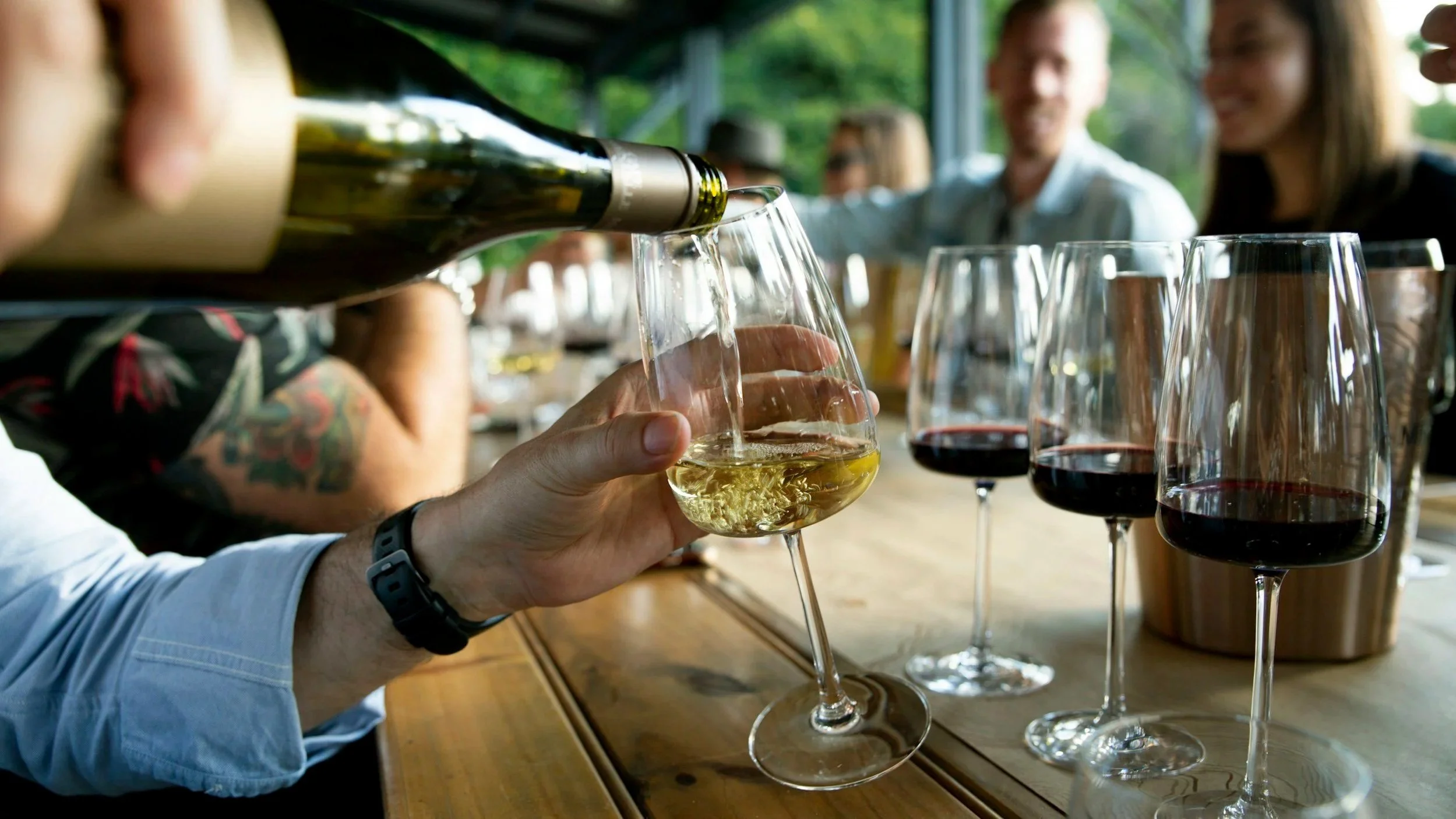
Pairing Israeli wines with local cuisine brings the tasting experience to life. Middle Eastern dishes often feature herbs, spices, garlic, and lemon, and wine pairings should complement these bold flavors. For example, crisp, acidic whites like Sauvignon Blanc or Riesling work well with dishes featuring raw garlic and herbs, while robust reds such as Cabernet Sauvignon or Shiraz pair nicely with grilled meats and spiced lamb. Israeli wineries frequently offer tasting menus that include locally sourced cheeses or mezze platters, enhancing the pairing experience and showcasing regional flavors side-by-side with the wines.
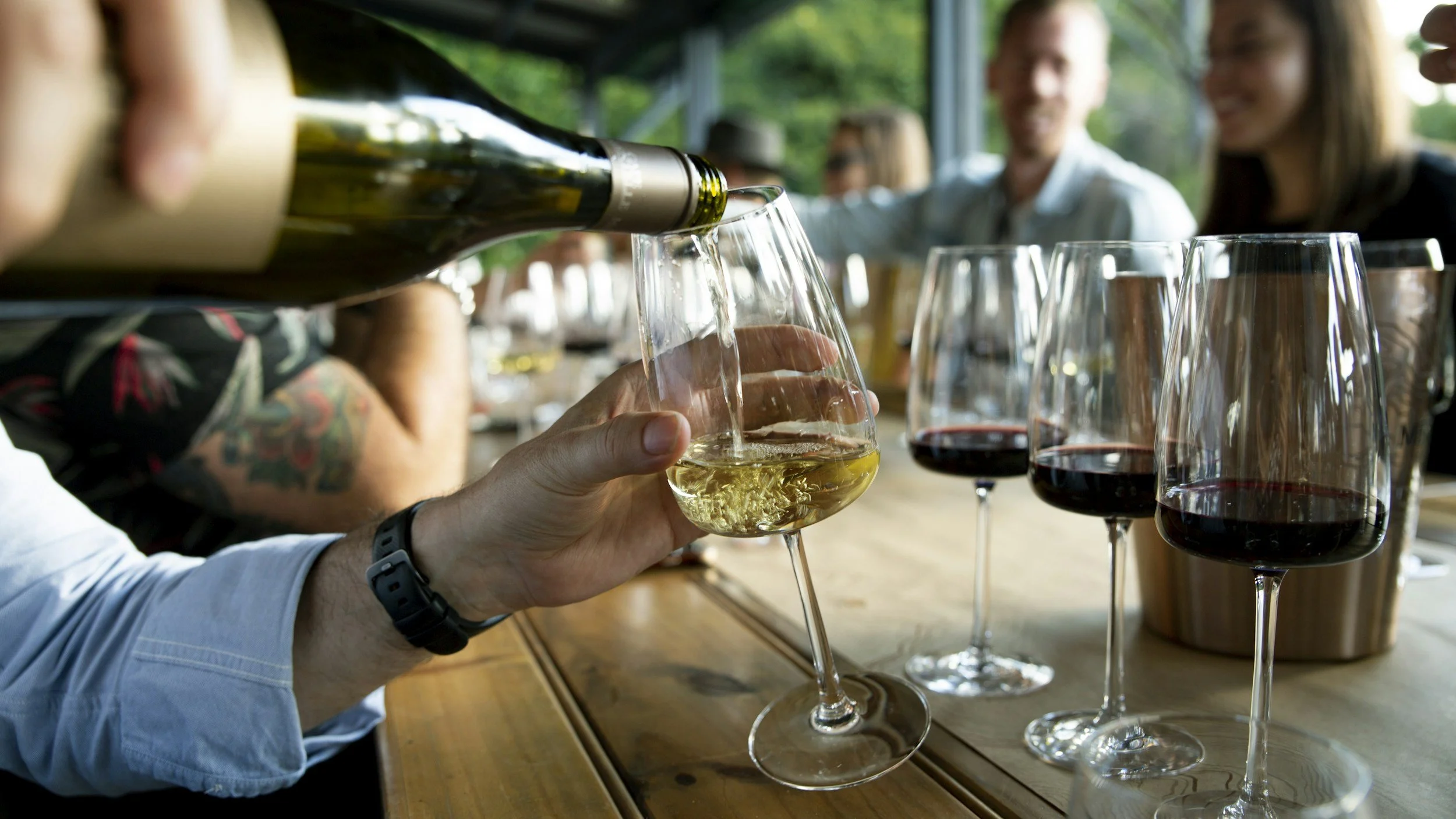
Among wineries currently open and highly recommended for visits are:
Tabor Winery (Lower Galilee) – Open primarily in spring and summer with advance booking recommended. It offers award-winning reds and whites, including the Adama Merlot and Sauvignon Blanc, with stunning views of Mount Tabor.
Golan Heights Winery (Golan Heights) – Open daily from 10 am to 5 pm, known for high-quality varietals and educating visitors through guided tours covering the winemaking process.
Pelter Winery (Golan Heights) – Open Sunday to Thursday until 5 pm and weekends until 4 pm. Famous for sparkling wines and blends sourced from multiple regions including the Golan and Galilee.
Kadma Winery (Between Tel Aviv and Jerusalem) – Open daily with Saturday hours until 4 pm. Unique for using ancient clay casks, producing wines like Cabernet Sauvignon and Syrah with distinctive aromas.
Somek Estate Winery (Zichron Yaakov) – Open for tours and tastings by appointment, this family winery offers a hands-on experience with varietals such as Carignan, Malbec, and Chardonnay, paired with workshops for enthusiasts.
For those touring Israeli wineries, it’s best to book appointments in advance as visits may be limited on weekends and holidays. Sampling a range of wines across regions helps appreciate the country’s diversity. When tasting, sip slowly to savor the different notes, and don’t hesitate to ask questions—the winemakers and guides are often passionate about sharing their craft.
For a positive local experience, remember to respect winery rules, avoid overindulgence, and consider local customs, especially regarding kosher wine handling. Pair wine tastings with local meals where possible to capture the full culinary culture of Israel. Ultimately, exploring Israeli wines is not just about drinking but connecting with the landscape, history, and people behind every bottle. Cheers to a rich and flavorful journey!
No ads, no commercials, just high-quality content.
If you find our work valuable, we would be grateful for your support. Your contribution helps us continue our mission of providing high-quality content and sharing it with an even wider audience. Support Our Mission