Is Israel Safe for Solo Female Travelers?
Published: Oct 20, 2025 - Updated: May 13, 2026
If you're wondering whether Israel is safe for solo female travelers, the short answer is: yes, it generally is. Israel welcomes thousands of independent women travelers every year who explore everything from the bustling markets of Jerusalem to the beaches of Tel Aviv and the desert landscapes of the Negev.
The country has a strong security presence, low violent crime rates, and a culture where many locals, including women, walk freely at night. That said, like any destination, being informed and taking sensible precautions will make your journey smoother and more enjoyable. Let's dive into what you need to know to have a safe and unforgettable solo adventure in Israel.

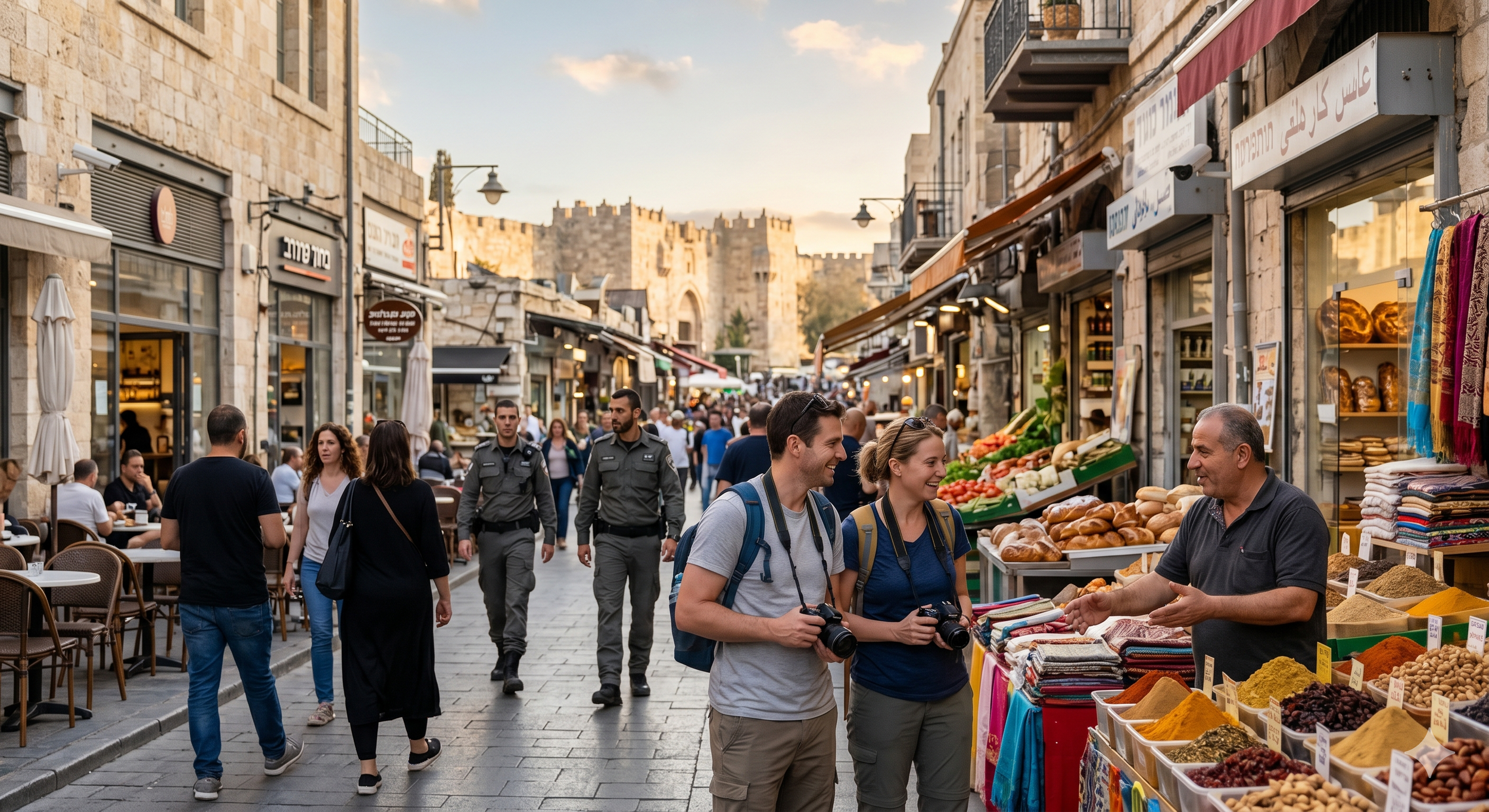
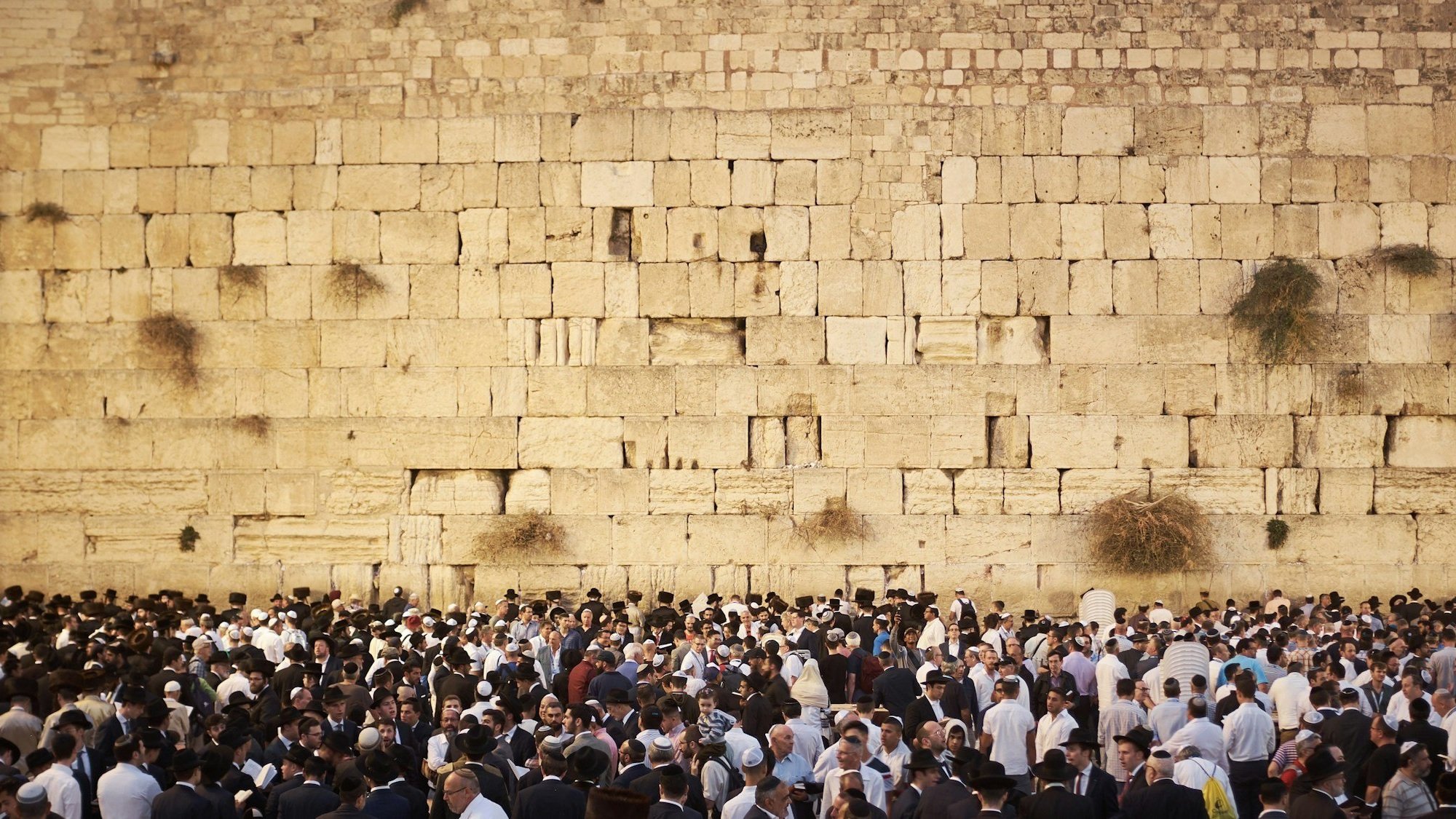
One of the first things you'll notice when arriving in Israel is the visible security presence. Armed guards at shopping malls, train stations, and tourist sites might seem intense at first, but this robust security infrastructure is actually one of the reasons why day-to-day safety for travelers is quite high. Major tourist destinations like the Western Wall, Masada, and the markets of Tel Aviv all maintain strong security measures.
Public transportation, including buses and trains, is generally safe and reliable, making it easy to navigate between cities independently. Israeli women themselves travel solo regularly, and you'll see plenty of locals and tourists alike exploring confidently on their own. The presence of security forces isn't a sign of immediate danger—rather, it's a preventive measure that contributes to overall safety.
While Israel is generally safe, being street-smart makes all the difference. In Tel Aviv, it's best to avoid certain neighborhoods like Neve Sha'anan, Shapira, and HaTikva, especially after dark—not because they're necessarily dangerous, but because they offer little for visitors and can feel less comfortable at night.
In Jerusalem, stick to well-lit, populated areas after sunset, particularly in the Old City where narrow alleys can be disorienting. When it comes to modest dress, cover your shoulders and knees when visiting religious sites like synagogues, churches, or the Western Wall out of respect. In secular areas like Tel Aviv's beaches and nightlife districts, standard Western clothing is perfectly fine. Keep your valuables secure, avoid displaying expensive jewelry or electronics, and trust your instincts—if a situation feels off, remove yourself from it. Most importantly, avoid hitchhiking, even though you might see locals doing it.

Israelis are known for being direct, warm, and incredibly social—which is wonderful but can sometimes be misinterpreted. You'll likely experience genuine hospitality, with locals offering recommendations, help with directions, or invitations for coffee. Israeli men can be forward and flirtatious, particularly in social settings like bars, beaches, or hostels, but this is usually harmless and cultural rather than threatening.
That said, it's perfectly okay to set clear boundaries. A firm "no" is respected, and you don't owe anyone an explanation. Street harassment is relatively low compared to many countries, and most women report feeling comfortable walking around major cities. If you do encounter unwanted attention, responding confidently and moving to a public space with other people typically resolves the situation quickly.
To maximize your safety and enjoyment, follow these tried-and-tested tips from experienced travelers. Book accommodations in well-reviewed, central locations—hostels are great for meeting other travelers and getting local advice. Share your itinerary with a friend or family member back home and check in regularly.
Keep emergency numbers handy (police: 100, ambulance: 101). Stay connected by getting a local SIM card for your phone, which also helps with navigation apps. Join free walking tours or day trips to popular sites like Jerusalem or the Dead Sea—you'll meet fellow travelers and have a built-in support network. Download useful apps like Moovit or Google Maps for public transportation. Finally, remember that Israel is a small country where English is widely spoken, so asking for help or directions is easy and people are generally helpful.
The consensus among solo female travelers who've visited Israel is overwhelmingly positive. Many describe feeling safer in Tel Aviv and Jerusalem than in their own home cities. Common testimonials highlight the ease of getting around, the friendly locals, and the peace of mind that comes from seeing families and women out at all hours.
One frequent piece of advice is to "consider your source"—take recommendations from people who have actually been to Israel rather than those speaking from assumptions. Women consistently praise the vibrant hostel scene, particularly in Tel Aviv, where making friends and finding travel buddies is effortless. The combination of ancient history, diverse culture, delicious food, and Mediterranean beaches makes Israel a rewarding destination that many women travelers return to again and again.
Handy Hebrew Phrases: Politely Declining Attention
Part of the Israeli experience is navigating the country's famously friendly (and sometimes persistent) social culture. Here are some useful Hebrew phrases to help you politely decline unwanted romantic attention:
"Lo, todah" (לא, תודה)
English: "No, thank you."
The universal polite decline. Simple, clear, and respectful—works in every situation.
"Ani lo medaberet Ivrit" (אני לא מדברת עברית)
English: "I don't speak Hebrew."
A classic deflection technique! Even if he switches to English, you've created an awkward communication barrier that often makes persistent admirers give up. Plus, playing the "confused tourist" card buys you an easy exit.
"Slicha, ani lo m'inyenet" (סליחה, אני לא מעוניינת)
English: "Sorry, I'm not interested."
Direct, honest, and polite. Israelis appreciate straightforwardness, so this phrase is perfectly acceptable and usually respected.
"Shalom" (שלום)
English: "Goodbye" (also means "hello" and "peace").
The ultimate multi-purpose word! When you want to end a conversation, just smile, say "Shalom," and walk away confidently. It's friendly but final—the Israeli mic drop.
"Ani ayefa, ulai pa'am acheret" (אני עייפה, אולי פעם אחרת)
English: "I'm tired, maybe some other time."
The diplomatic brush-off with a dash of sarcasm! This is the polite way of saying "never going to happen" without actually saying it. Bonus: If he asks when "some other time" is, you can respond with another cheerful "Shalom!" and disappear into the crowd.
Israel is a country of contrasts—ancient and modern, spiritual and secular, desert and sea—and it's absolutely worth exploring on your own terms. While no destination is 100% risk-free, Israel offers solo female travelers a safe, welcoming environment with world-class historical sites, incredible cuisine, and some of the most diverse landscapes you'll find in such a small area. Thousands of women travel here independently every year and come away with memories of a lifetime. With common-sense precautions, cultural awareness, and an open mind, you'll discover that Israel is not only safe but also one of the most enriching and empowering places to travel solo. So pack your bags, practice your Hebrew phrases, and get ready for an adventure that blends ancient history with modern energy—you're going to love it!
Safe travels and b'hatzlacha (good luck)!
No ads, no commercials, just high-quality content.
If you find our work valuable, we would be grateful for your support. Your contribution helps us continue our mission of providing high-quality content and sharing it with an even wider audience. Support Our Mission