How to Travel to Israel Safely During the Iran-Israel Conflict
To travel to Israel safely during ongoing regional tensions, visitors must monitor real-time Home Front Command directives, maintain highly flexible transit bookings, and focus their itineraries exclusively on lower-risk areas like the central coastal plains and the southern desert.
While the geopolitical environment involves sudden shifts, understanding localized safety frameworks allows international arrivals to navigate the country with practical confidence. By utilizing authoritative, government-backed alert systems, securing proper entry documentation, and relying on strategic domestic transport networks, global travelers can successfully mitigate operational risks. This comprehensive guide outlines the vital pre-departure protocols, transit updates, and ground strategies required to manage a modern itinerary.
Mandatory Entry Authorization: Understanding the ETA-IL
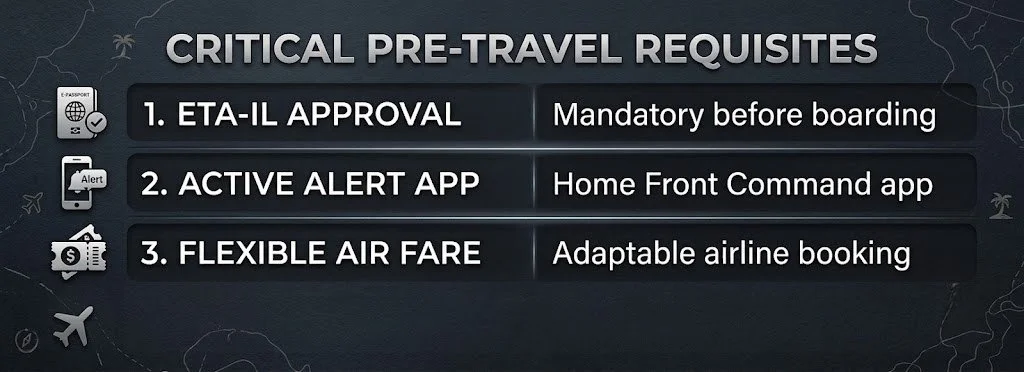
A critical administrative change for all modern entry logistics is the implementation of the Electronic Travel Authorization, known officially as the ETA-IL. Travelers holding passports from visa-exempt nations—including the United States, Canada, the United Kingdom, and the European Union—must secure this digital approval before boarding any flight bound for Tel Aviv.
Managed by the Israeli Population and Immigration Authority, the system processes personal details, passport records, and background checks to enhance border security. The application must be submitted online at least 72 hours prior to departure; once granted, the authorization links digitally to the passport, remains valid for up to two years, and permits multiple entries for stays of up to 90 days. Failing to present a verified ETA-IL confirmation at check-in will result in an immediate denial of boarding by the airline.
Commercial Aviation Reality: Current Airline Operations
Navigating the aviation landscape requires close alignment with active schedule updates, as carrier availability responds directly to regional safety assessments. Following diplomatic shifts and the subsequent reopening of Ben Gurion International Airport (TLV), domestic Israeli airlines—including El Al, Arkia, and Israir—are maintaining robust, full-schedule operations to North America, Europe, and Asia, utilizing onboard defensive routing mechanisms.
In contrast, international legacy carriers present a fragmented operational status. Several European operators, such as Wizz Air and Austrian Airlines, have steadily restored frequent flights to Tel Aviv, whereas major North American operators like United Airlines, Delta Air Lines, and American Airlines have extended their service suspensions.
For global travelers, booking multi-city or flexible tickets through active regional hubs like Vienna or Athens, or relying directly on Israel's national carrier, provides the highest degree of scheduling reliability and protection against abrupt cancellations

Strategic Ground Geography: Mapping Lower-Risk Zones
An effective, security-conscious itinerary relies on avoiding volatile border regions while focusing exploration on well-insulated cultural zones. Official security designations from the U.S. Department of State consistently restrict travel to areas within four kilometers of the northern frontier and anywhere surrounding the Gaza periphery. Conversely, the central coastal corridor encompassing Tel Aviv, the historic capital of Jerusalem, the southern Negev Desert, and the Dead Sea basin continue to see regular tourism under active municipal defense systems. Traveling by day along primary, well-monitored highways and avoiding unverified rural shortcuts keeps transit predictable and secure.
Integrating real-time defensive technology into daily movement is a fundamental safety practice. Visitors should download the official Israel Defense Forces Home Front Command application immediately upon arrival to receive instant, geolocated alerts regarding airspace updates or restricted zones. Sourcing a dependable local eSIM or maintaining a completely uninterrupted cellular data plan ensures that these vital push alerts function continuously during travel between different municipal districts. Additionally, registering your complete travel details through consular platforms, such as the Smart Traveler Enrollment Program (STEP), ensures a direct communication link with embassy teams if local conditions require diplomatic guidance.

Actionable Suggestions: General Regions and Activities
Central Open-Air Commerce Hubs
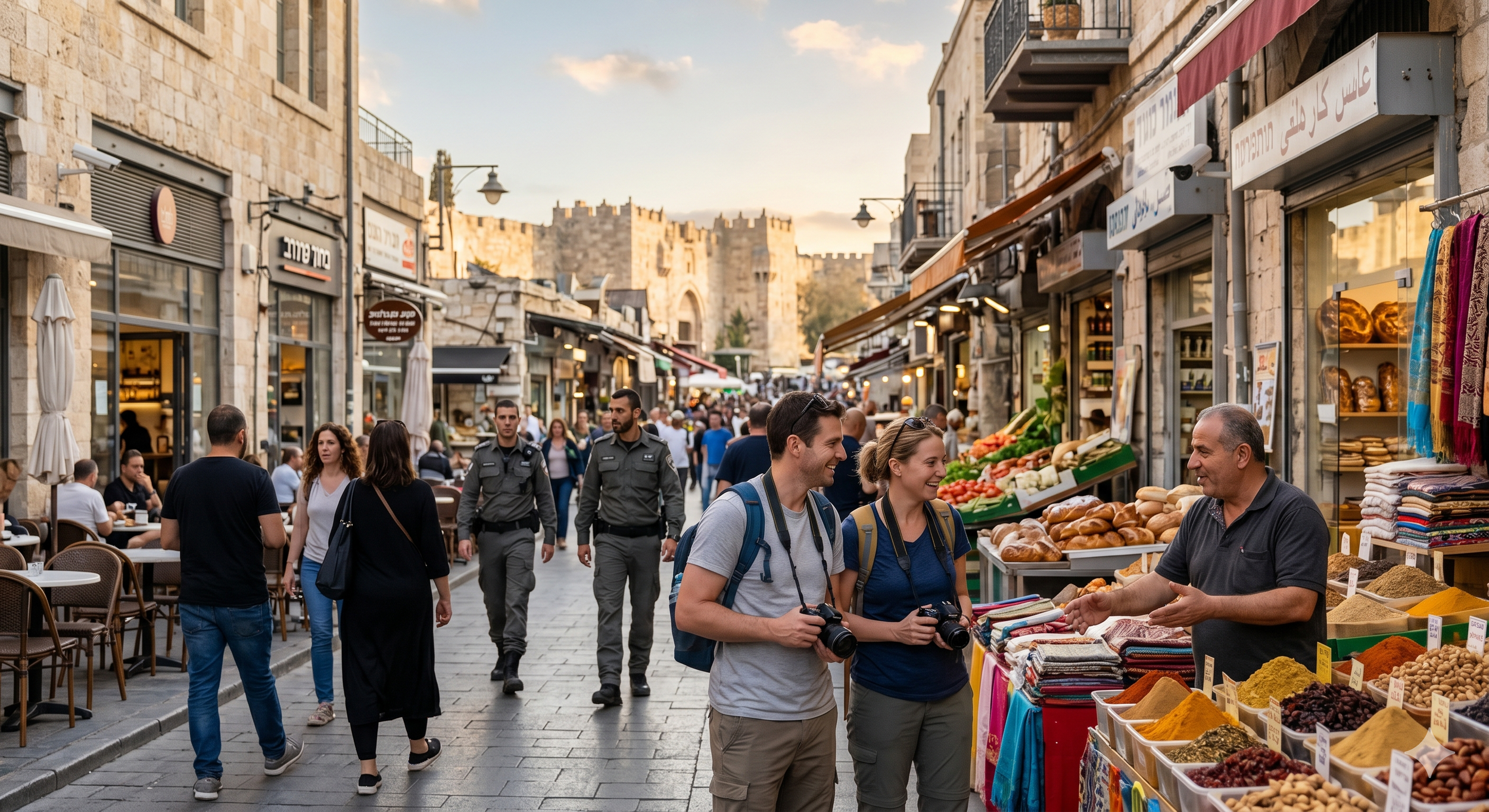
The sprawling merchant pathways of central urban markets provide an immersive introduction to regional culinary life. Visitors can observe local merchants trading artisanal goods, fresh spices, and seasonal produce under historic stone canopies. The optimal window for an organized excursion occurs between Tuesday and Thursday mornings, well before the heavy weekend crowds arrive. Sampling freshly baked sesame-crusted breads or trying a small plate of warm, locally sourced chickpea puree topped with robust olive oil at an established market stall represents a perfect, self-guided culinary walk.
Ideal Time to Visit: Tuesday through Thursday, 9:00 AM – 11:30 AM.
Recommended Dish: Freshly prepared hot hummus with whole chickpeas and local tahini.
Coastal Public Promenades
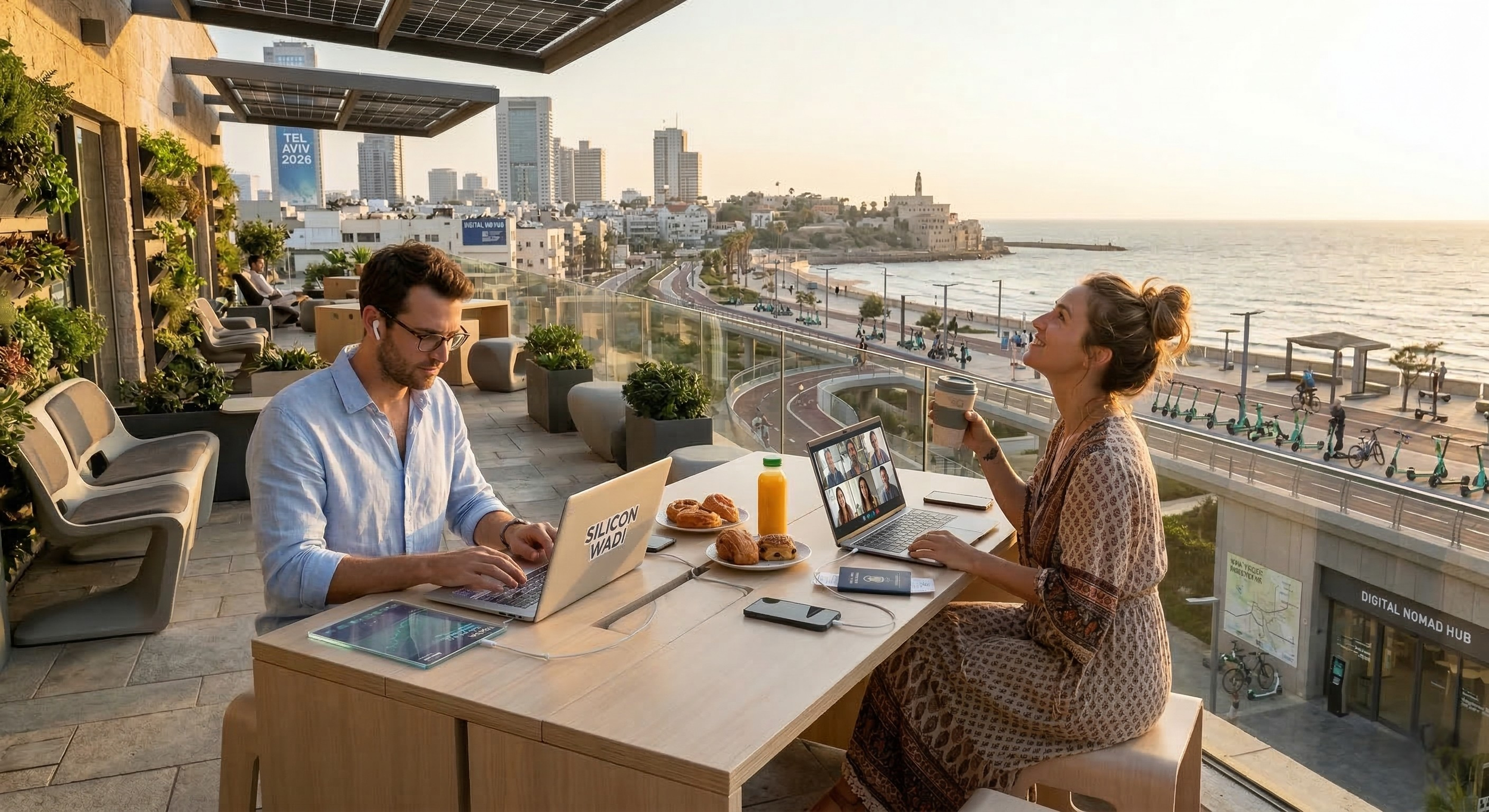
Wide, paved marine walkways run parallel to the Mediterranean coastline, offering an ideal corridor for walking, cycling, and observing local coastal lifestyle dynamics. These broad avenues feature clearly designated lanes for pedestrian traffic, keeping movement orderly and relaxed. Late afternoon, just before sunset, offers the most comfortable ambient temperatures for extended walks. Stopping at an open-air public pavilion to enjoy a traditional cold, mint-infused lemonade provides a refreshing break while taking in unobstructed views of the sea.
Ideal Time to Visit: Daily, 4:30 PM – 6:30 PM.
Recommended Beverage: Cold-pressed mint lemonade (Limonana).
Historic Port Settlements
Ancient maritime infrastructure zones combine thousands of years of masonry with contemporary creative spaces. Massive stone fortifications and old seawalls frame narrow, labyrinthine alleyways where local artists showcase unique crafts, pottery, and jewelry. Exploring these historic passages is highly rewarding during the early morning hours when sunlight first illuminates the ancient stone facades. Enjoying a cup of strong, cardamom-infused espresso at a shaded harbor-side seating area allows for quiet observation of the working fishing docks.
Ideal Time to Visit: Daily, 7:30 AM – 10:00 AM.
Recommended Activity: Walking the historic sea wall pathways for panorama views.
Urban Gallery and Cultural Quarters
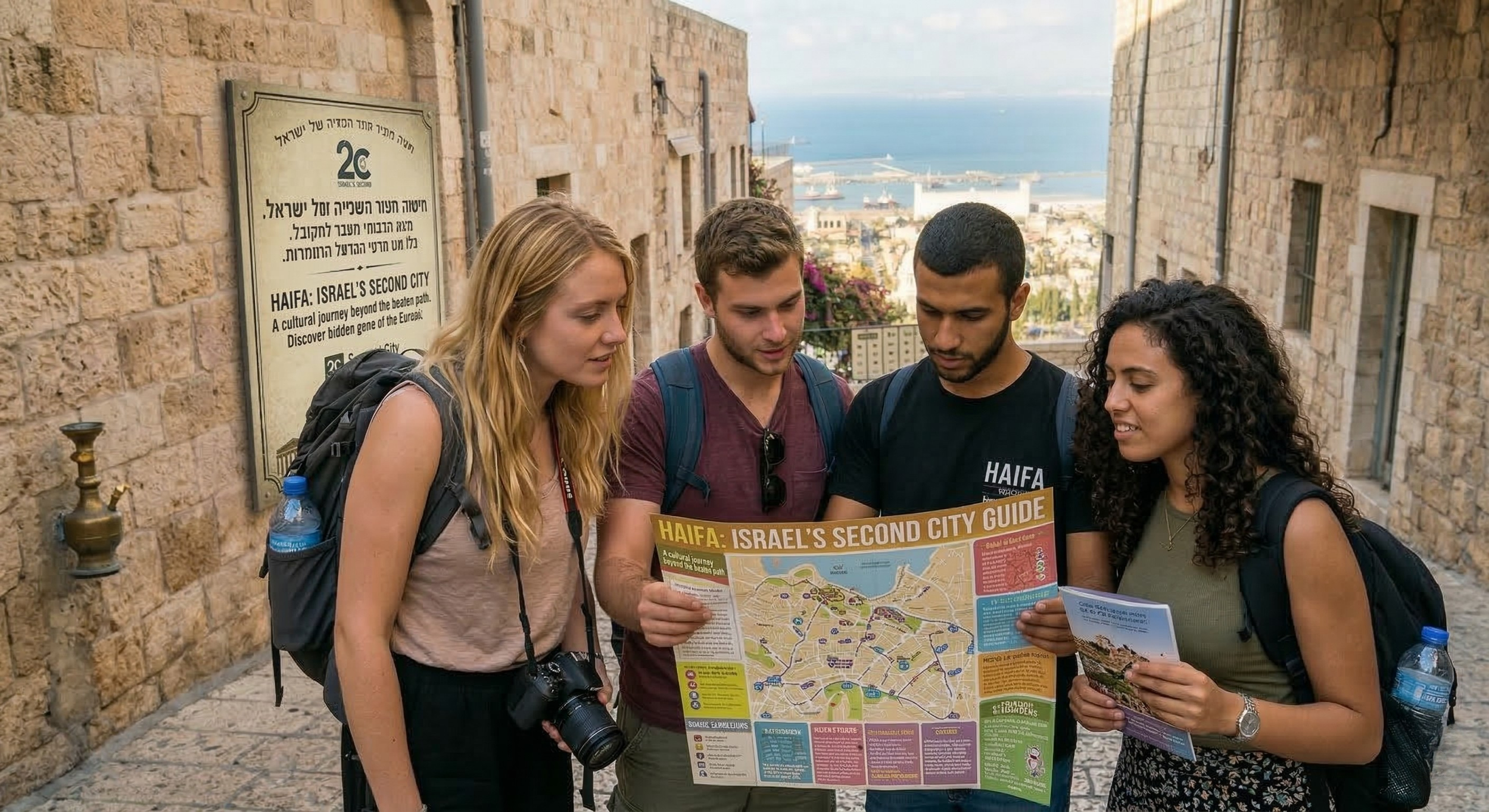
Historically preserved neighborhoods showcase unique late-nineteenth-century architecture alongside leafy, quiet residential boulevards. These creative sectors feature a peaceful atmosphere punctuated by small independent craft studios, architectural preserves, and specialty coffee counters. Visiting during the mid-day lull ensures a peaceful walk through the historic streets. Pausing at a shaded outdoor bench to sample a local pastry or an iced espresso drink allows travelers to comfortably experience the distinct design and heritage of the neighborhood.
Ideal Time to Visit: Sunday through Wednesday, 12:00 PM – 3:00 PM.
Recommended Treat: Local almond-filled croissants or regional yeast cakes.

Surprising Historic and Environmental Realities
Dead Sea
The geological composition of the lowest accessible land point on earth creates an environment where atmospheric pressure naturally filters out harmful ultraviolet radiation. Visitors to the Dead Sea basin can spend significantly longer periods in direct sunlight without experiencing standard thermal burns compared to any other coastal region globally.
This dense atmospheric blanket also increases oxygen percentages by nearly five percent, producing a naturally enriched microclimate that has attracted health-conscious travelers since classical antiquity. The unique chemical density of the water, containing over twenty distinct mineral compounds, prevents standard biological life from taking root while creating an incredibly high buoyancy that fundamentally alters typical swimming mechanics.
Jerusalem
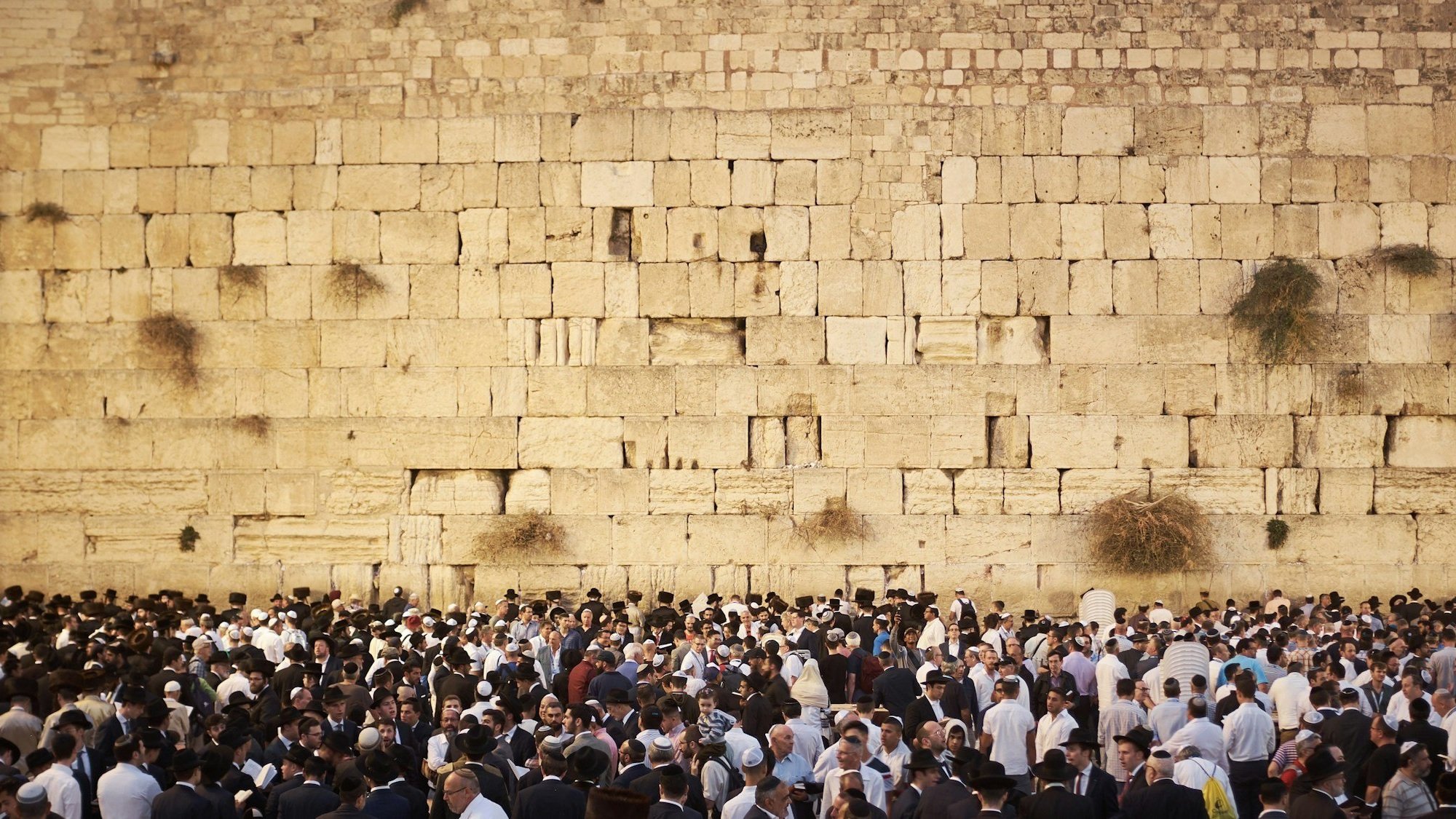
The complex subterranean engineering of the Western Wall Tunnels reveals a massive architectural matrix that remains entirely hidden from standard street-level observation. Excavations have uncovered singular limestone building blocks weighing over five hundred tons, meticulously positioned without the aid of modern mechanical cranes or binding mortars.
These immense structural elements, dating back over two millennia, serve as the foundational support for a vast network of ancient water cisterns, hidden arches, and paved Roman pathways. Walking through these underground corridors provides a precise physical timeline of successive civilizations, demonstrating how urban builders repeatedly repurposed older stone infrastructure to support expanding municipal needs over centuries of development.
Dos and Don'ts for Your Visit
Dos:
Submit your ETA-IL digital application at least 72 hours before your flight to avoid immediate boarding denials at the airport.
Keep the official Home Front Command application active on your mobile phone with location tracking turned on for real-time safety notices.
Carry a fully charged secondary power bank during day trips to maintain uninterrupted communication capabilities.
Respect local customs when entering religious or historic sites by keeping your shoulders and knees completely covered.
Don'ts:
Do not travel into northern border zones within four kilometers of the frontier or any territory immediately adjacent to the Gaza Strip.
Avoid using unverified, unofficial transportation options; stick exclusively to registered municipal transport or pre-arranged professional services.
Do not photograph military installations, security checkpoints, or official personnel, as this violates domestic safety regulations.
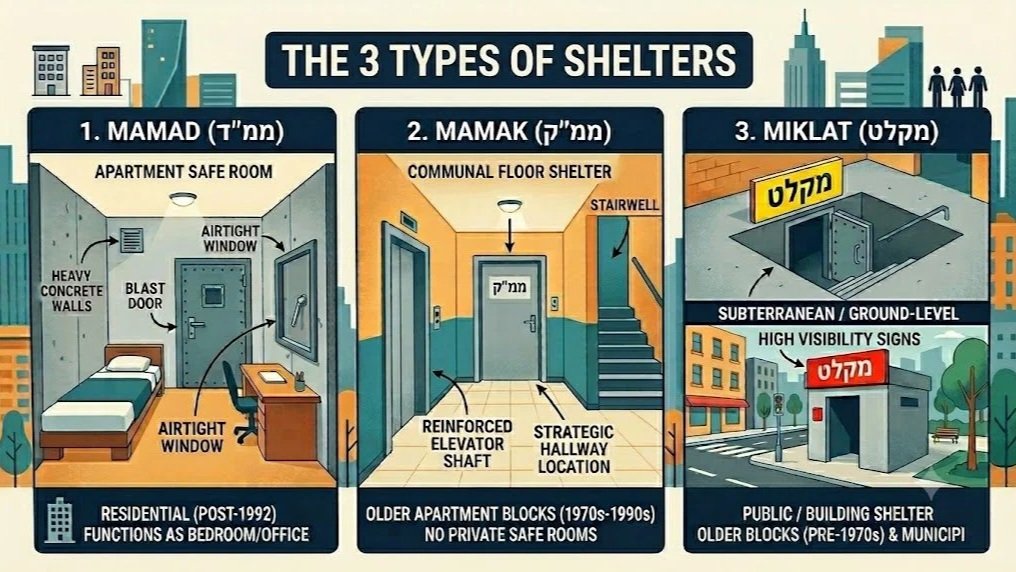
Avoid ignoring localized sirens or alerts; always locate the nearest designated shelter space immediately, regardless of local pedestrian behavior.
No ads, no commercials, just high-quality content.
If you find our work valuable, we would be grateful for your support. Your contribution helps us continue our mission of providing high-quality content and sharing it with an even wider audience. Support Our Mission